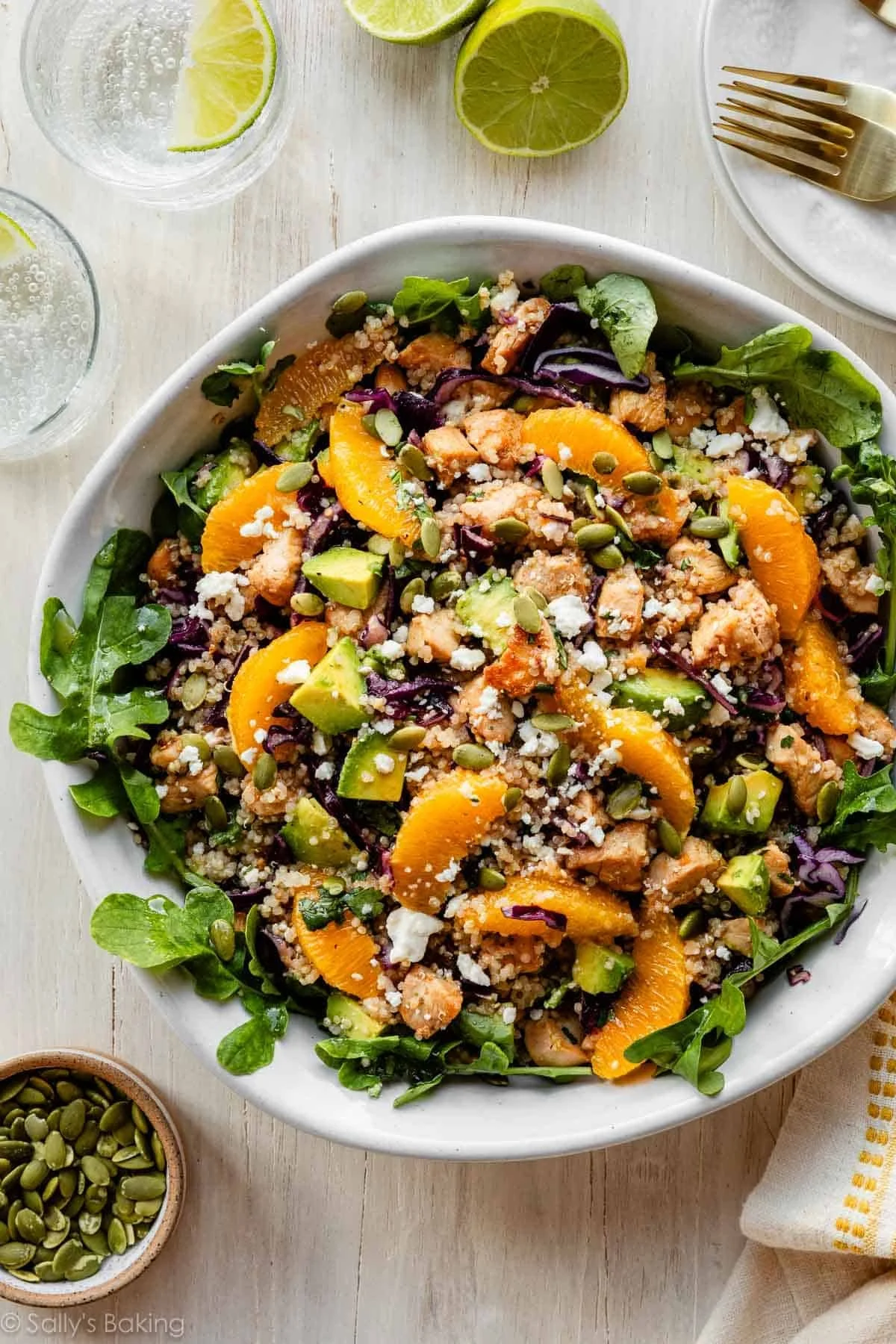

The Citrus Chicken Quinoa Salad, a hearty and nutritionally dense meal solution, has gained significant traction among health-conscious consumers and meal-preppers alike, offering a fresh, protein-packed, and naturally gluten-free option for light dinners or make-ahead lunches. Originally introduced in 2014 and subsequently refined with updated components and detailed preparation guidance, this recipe exemplifies a growing trend in contemporary culinary preferences for dishes that combine robust flavor with substantial health benefits and practical convenience. Its core appeal lies in a judicious blend of nutrient-rich quinoa, tender chicken, crisp red cabbage, creamy avocado, and the vibrant zest of citrus, all unified by a bright honey-cilantro-lime dressing.
The Evolution of a Healthy Meal Staple
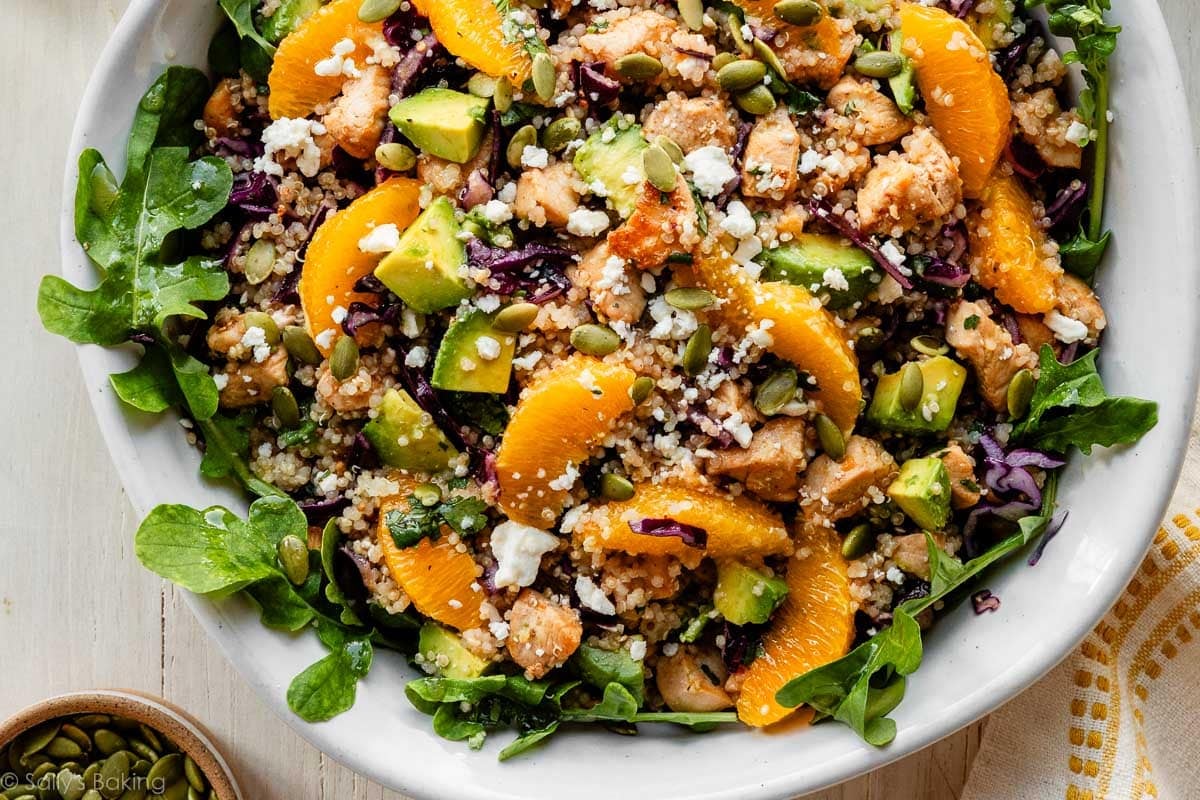
The initial publication of the Citrus Chicken Quinoa Salad recipe in 2014 marked its entry into the online culinary sphere. Its subsequent update reflects an ongoing commitment to enhancing nutritional value, improving flavor profiles, and providing clearer instructions, adapting to evolving dietary science and consumer feedback. This iterative process is characteristic of popular online food resources, which frequently revisit and refine their offerings to meet contemporary standards and user expectations. The salad’s enduring popularity underscores a broader societal shift towards meals that are not only satisfying but also contribute positively to overall wellness, without compromising on taste or requiring extensive preparation time.
At its heart, the salad is designed to be a complete meal, eschewing the common "mostly lettuce" stereotype of many salads. Each serving is engineered to deliver a balanced array of macronutrients and micronutrients, making it an ideal choice for individuals seeking to maintain a healthy diet, manage weight, or simply enjoy a wholesome, fulfilling meal. The composition—tender chicken providing lean protein, fluffy quinoa offering complex carbohydrates and fiber, and a colorful assortment of fresh vegetables and fruits—ensures a comprehensive nutritional profile.
Quinoa: A Nutritional Powerhouse
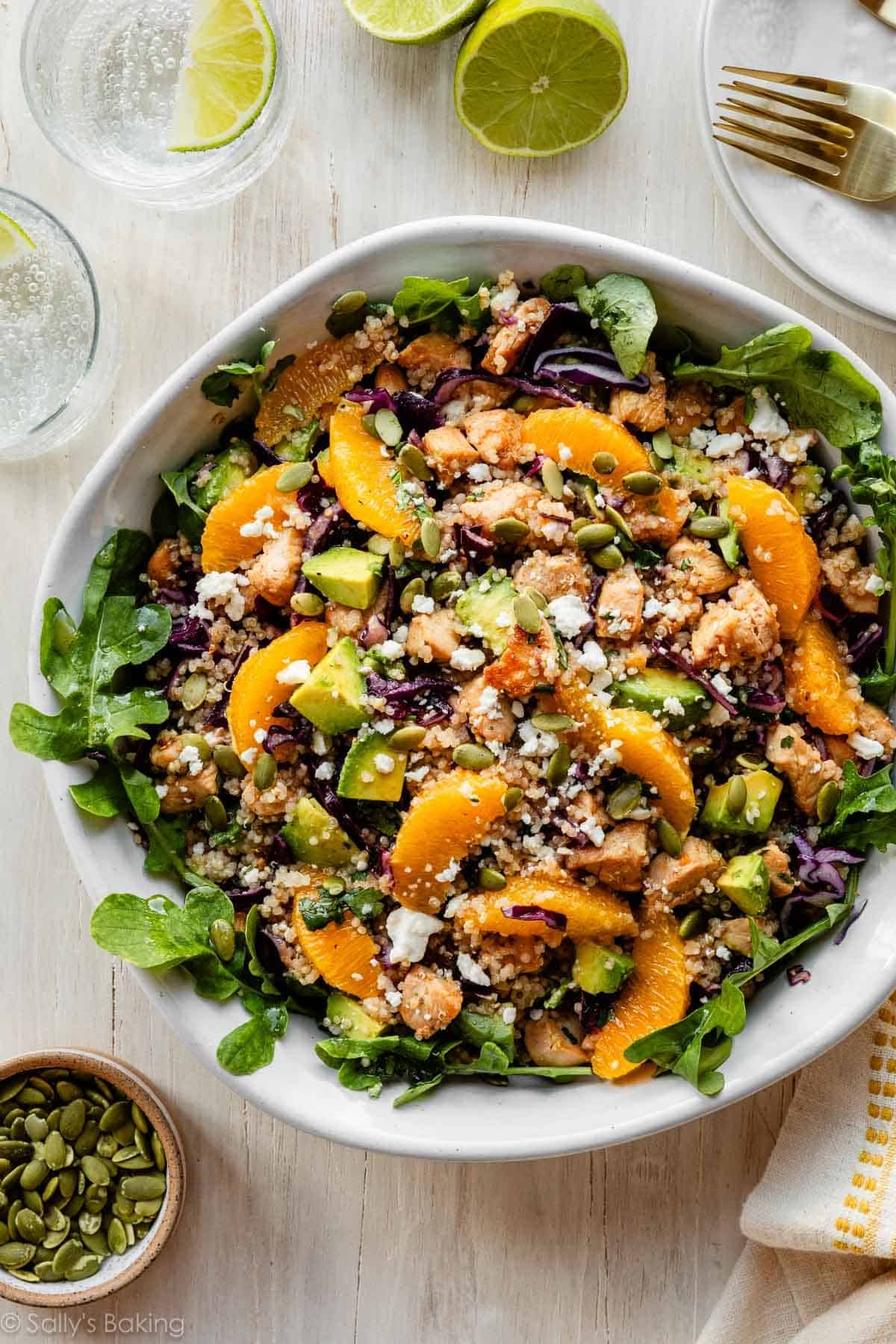
Central to the salad’s nutritional appeal is quinoa (pronounced KEEN-wah), often celebrated as a "superfood." Though commonly classified as a whole grain due to its culinary applications, quinoa is botanically a seed from a plant related to spinach and beets. Its distinction lies in its exceptional nutritional composition: it is one of the few plant-based foods that contains all nine essential amino acids, making it a complete protein. This attribute is particularly significant for vegetarians, vegans, and those seeking diverse protein sources beyond animal products.
Beyond its complete protein status, quinoa is a rich source of dietary fiber, crucial for digestive health and promoting satiety, which can aid in weight management. It also provides an impressive array of minerals, including magnesium, phosphorus, manganese, folate, iron, and zinc. Magnesium, for instance, plays a vital role in over 300 enzymatic reactions in the body, contributing to nerve and muscle function, blood glucose control, and blood pressure regulation. Iron is essential for oxygen transport in the blood, while zinc supports immune function and wound healing. Furthermore, quinoa contains potent antioxidants like quercetin and kaempferol, which help combat oxidative stress and inflammation in the body. Its natural gluten-free status makes it an excellent grain alternative for individuals with celiac disease or gluten sensitivity, contributing to its widespread adoption in health-focused diets. The global quinoa market has seen steady growth, driven by increasing consumer awareness of its health benefits and its versatility in various culinary applications, from salads to breakfast bowls and even baked goods. Industry reports indicate a compound annual growth rate (CAGR) for the quinoa market projected to be around 7-9% over the next decade, reflecting its sustained demand.
Key Ingredients and Flavor Dynamics
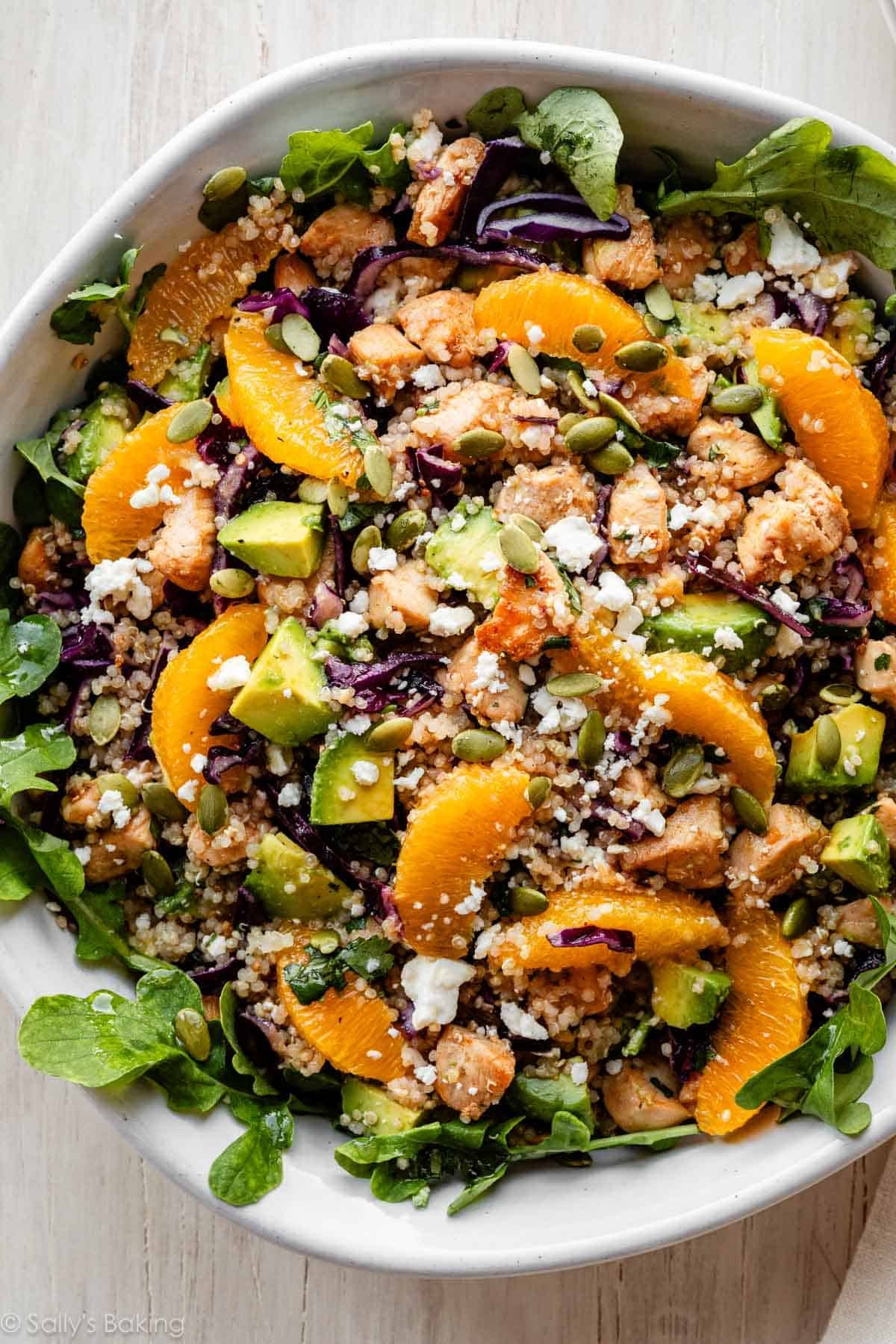
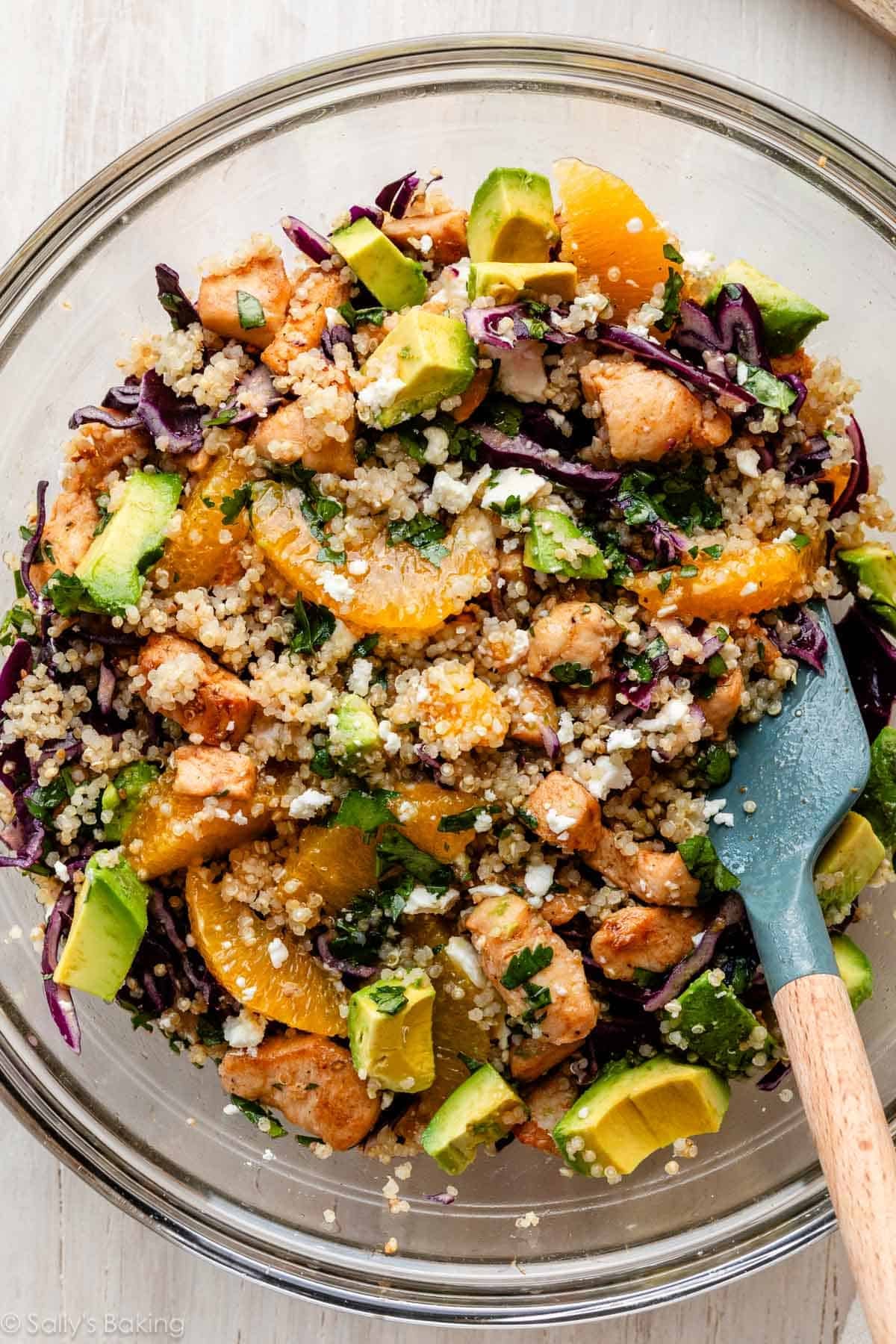
The Citrus Chicken Quinoa Salad’s robust flavor profile and varied textures are meticulously crafted from a selection of key ingredients:
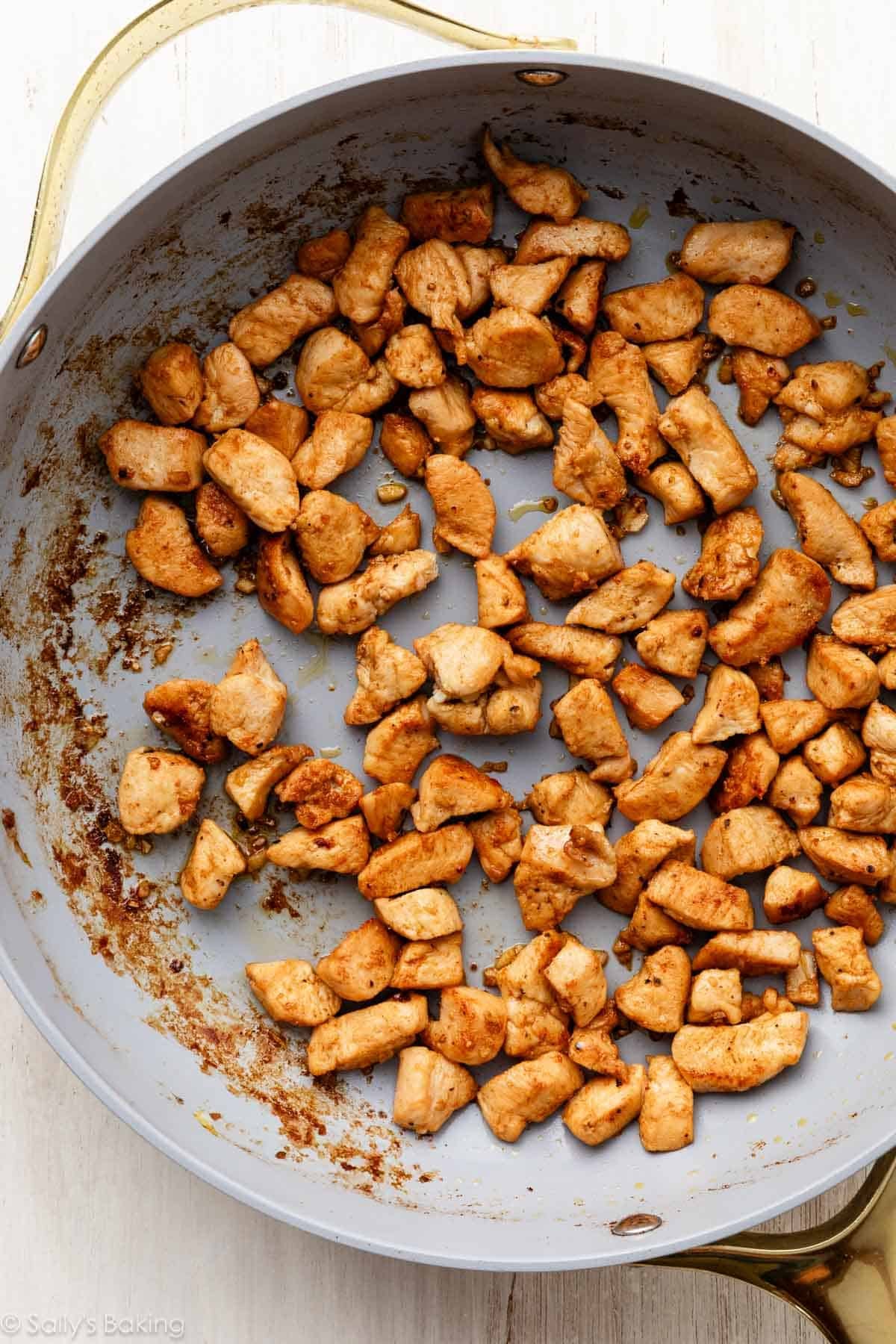
- Protein: Cooked chicken, seasoned with savory garlic and paprika, provides a lean and satisfying protein base. The choice of chicken breast ensures a low-fat, high-protein component.
- Grain: Fluffy quinoa serves as the nutrient-dense foundation, absorbing the dressing’s flavors and adding a subtle nutty undertone.
- Fresh Produce: Vibrant red cabbage offers a satisfying crunch and a boost of antioxidants, while creamy avocado contributes healthy monounsaturated fats and a rich, smooth texture. Juicy oranges introduce a burst of natural sweetness and essential Vitamin C, balancing the savory elements.
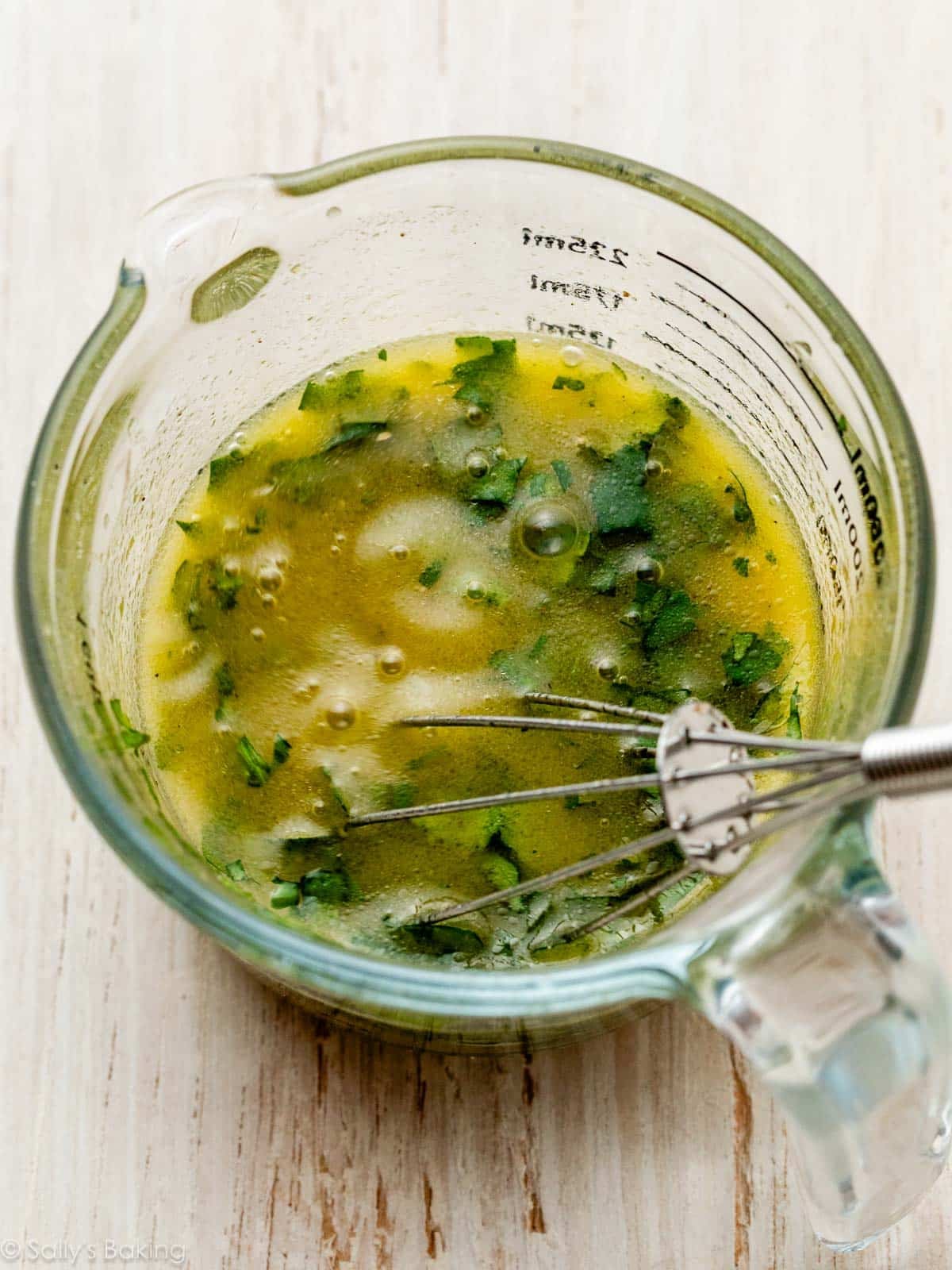
- Dressing: A bright honey-cilantro-lime dressing ties all the components together. The acidity of lime juice cuts through the richness, honey provides a delicate sweetness, and fresh cilantro adds an herbaceous, aromatic lift.
- Optional Enhancements: Feta cheese introduces a salty tang, while pepitas (pumpkin seeds) provide an additional layer of crunch and healthy fats.
The synergy of these ingredients creates a sensory experience that is both refreshing and deeply satisfying. The interplay of savory, sweet, and tangy notes, combined with varied textures—from the tender chicken and fluffy quinoa to the crisp cabbage and creamy avocado—ensures that each bite is engaging and flavorful. A notable advantage of this salad, particularly for meal preparation, is that its flavors deepen as it chills, allowing the quinoa to fully absorb the citrus dressing, often resulting in a more flavorful experience the day after preparation.
Preparation and Adaptability for Diverse Needs
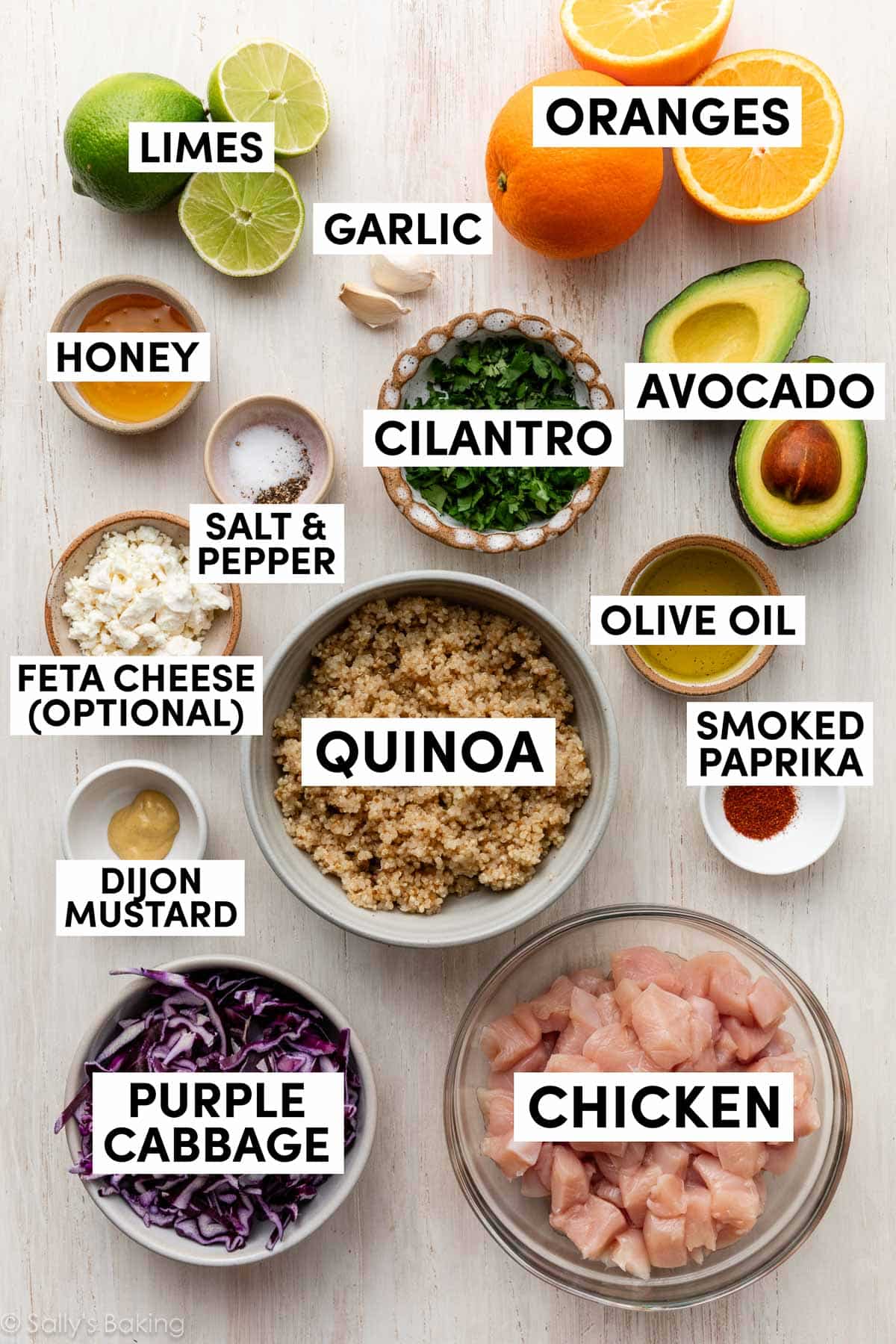
The preparation of the Citrus Chicken Quinoa Salad is designed for efficiency and ease, making it accessible for home cooks with varying levels of culinary experience. The process typically involves:
- Quinoa Preparation: Rinsing quinoa thoroughly before cooking is a crucial step to remove saponins, a natural coating that can impart a bitter taste. Following package instructions ensures a perfectly fluffy texture. The cooked quinoa is then allowed to cool, preventing it from wilting the fresh ingredients.
- Chicken Cooking: Lean chicken is typically pan-seared or baked with garlic and paprika, creating a flavorful and tender protein component.
- Salad Assembly: Once the primary components are prepared and cooled, they are combined with the fresh vegetables and fruits in a large bowl.
- Dressing Creation: The honey-cilantro-lime dressing is whisked together from simple ingredients and then tossed with the assembled salad. Optional additions like feta cheese and pepitas are incorporated at this stage.
This recipe’s inherent flexibility is a significant asset, allowing for numerous variations to suit individual preferences, dietary restrictions, or seasonal availability.
- Protein Substitutions: While chicken is featured, the recipe readily accommodates other lean proteins such as grilled shrimp, baked salmon, or plant-based alternatives like chickpeas, black beans, or marinated tofu. This adaptability makes it suitable for pescatarian and vegetarian diets.
- Grain Alternatives: For those seeking diversity, other grains like brown rice, farro, pearl barley, or even couscous can be substituted for quinoa, each offering a distinct texture and nutritional profile.
- Vegetable Enhancements: The red cabbage can be augmented or replaced with other crunchy vegetables such as bell peppers, shredded carrots, or corn. Leafy greens like kale or spinach can also be incorporated for added nutritional density.
- Citrus Variations: While oranges provide a classic sweetness, other citrus fruits like grapefruit or clementines can introduce different notes of tang and sweetness.
- Nut and Seed Additions: Beyond pepitas, toasted almonds, walnuts, or sunflower seeds can be added for extra crunch and healthy fats.
- Cheese Options: Feta cheese is a popular choice, but goat cheese or a mild cotija could offer interesting alternatives.
A registered dietitian, Dr. Eleanor Vance, commented on the salad’s versatility, stating, "Recipes like this Citrus Chicken Quinoa Salad are invaluable in promoting healthy eating. Their adaptable nature allows individuals to tailor meals to their specific dietary needs and preferences, encouraging greater engagement in home cooking and nutrient optimization. The emphasis on whole foods and lean protein is commendable."
Meeting the Demands of Modern Lifestyles: Meal Prep and Healthy Eating Trends
The Citrus Chicken Quinoa Salad perfectly aligns with several prominent contemporary dietary and lifestyle trends, most notably the meal preparation (meal prep) movement. Meal prepping involves preparing meals or components of meals in advance for the week ahead, a practice that has surged in popularity among busy professionals, students, and anyone striving for healthier eating habits amidst demanding schedules.
- Convenience and Time-Saving: By preparing this salad in advance, individuals can significantly reduce daily cooking time, ensuring quick access to nutritious meals. This convenience is a primary driver for meal prep adoption, with surveys indicating that over 60% of consumers cite "saving time" as a key benefit.
- Health and Nutrition Control: Meal prepping allows for precise control over ingredients, portion sizes, and nutritional content, helping individuals adhere to specific dietary goals, whether for weight management, muscle gain, or managing chronic health conditions. Data from the National Health and Nutrition Examination Survey (NHANES) suggests that individuals who frequently cook at home tend to have lower calorie intakes and better diet quality.
- Cost-Effectiveness: Preparing meals at home, including advanced meal prep, is generally more economical than frequent dining out or relying on pre-packaged convenience foods. This economic benefit resonates with a significant portion of the population seeking to manage household budgets.
- Reduced Food Waste: Planning meals and preparing ingredients in advance can lead to more efficient use of groceries, reducing food waste, which is a growing concern for environmentally conscious consumers.
The salad’s ability to maintain its quality and even improve in flavor when stored for up to five days in the refrigerator makes it an exemplary meal prep candidate. The recommended practice of adding avocado just before serving helps maintain its creamy texture and prevents browning, optimizing the eating experience.
Consumer Reception and Broader Implications
Feedback from consumers underscores the widespread appeal and effectiveness of this recipe. Annette, a regular user, commented, "This was incredibly delicious. I was skeptical at first with the oranges in the salad, however—WOW—the flavors, textures, and taste were fantastic. I had it for my dinner tonight and it is filling, I can’t wait for lunch tomorrow to have it again (leftovers)." This sentiment highlights the surprising yet harmonious flavor combination and the salad’s satiety factor. Another consumer, Alex, noted the recipe’s seasonal versatility and practical benefits, stating, "I discovered this recipe last summer and have been anxiously awaiting warmer weather so I could add it back to our dinner rotation! So delicious. Tastes even better cold the next day. Can easily sub grapefruit or clementines for the oranges/juice." Such endorsements affirm the salad’s sustained popularity and its adaptable nature.
The sustained interest in recipes like the Citrus Chicken Quinoa Salad has broader implications for public health and the food industry. It reflects a growing public awareness of the link between diet and health, driving demand for transparent, nutritious, and convenient food solutions. Online culinary platforms play a pivotal role in disseminating such recipes, empowering individuals with the knowledge and tools to prepare wholesome meals at home. This cultural shift towards more conscious eating choices, facilitated by accessible and adaptable recipes, contributes to improved dietary habits and potentially, a healthier population.
In conclusion, the Citrus Chicken Quinoa Salad stands as more than just a recipe; it is a testament to the evolving landscape of modern nutrition and culinary practice. Its foundation in nutrient-dense ingredients, combined with its adaptability and suitability for meal preparation, positions it as a valuable asset for anyone seeking a flavorful, healthy, and convenient approach to eating. As consumers continue to prioritize wellness and efficiency, such meticulously crafted recipes are poised to remain staples in the pursuit of balanced and enjoyable dietary practices.