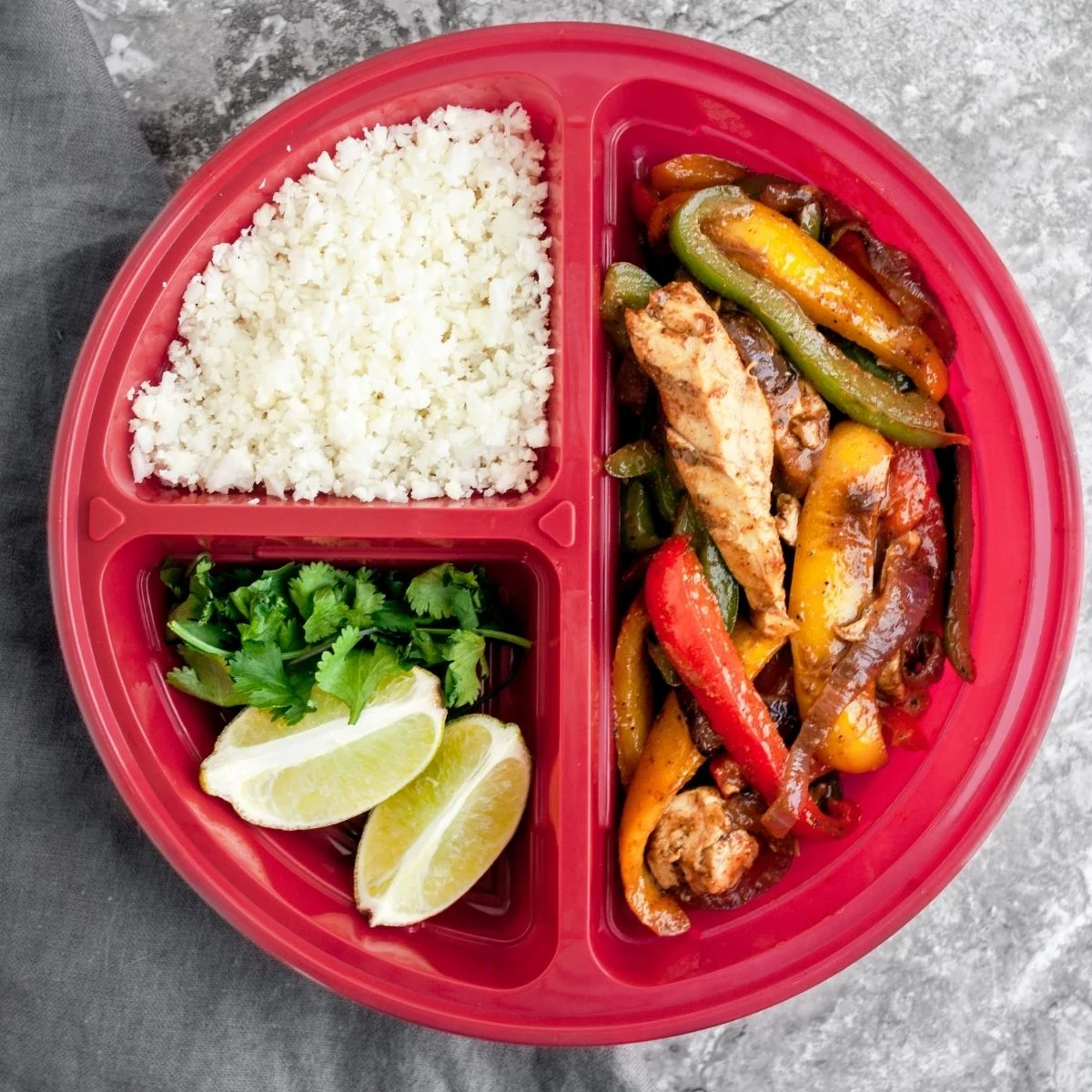

A new meal preparation strategy, the Chicken Fajita Veggie Meal Prep, is gaining traction among health-conscious individuals seeking efficient and flavorful solutions for their weekly culinary needs. This innovative approach focuses on a low-carb, high-protein meal that can be prepared in advance, offering a vibrant and satisfying alternative to traditional lunches and dinners. The core of this meal prep lies in its clever combination of seasoned chicken, sautéed bell peppers and onions, and cauliflower rice, all designed to be easily portioned and reheated.
The primary appeal of this meal prep lies in its adaptability to various dietary lifestyles. It is explicitly noted to fit within gluten-free, paleo, Whole30, and low-carb eating plans, making it a versatile option for a broad audience. This inclusive nature addresses a growing demand for convenient meals that cater to specific nutritional requirements without sacrificing taste or enjoyment.
The Chicken Fajita Veggie Meal Prep is presented as a quick and flavorful solution, boasting a "TL;DR" summary that highlights its speed, taste, and low-carb profile. It emphasizes the abundance of colorful vegetables, well-seasoned chicken, and the innovative use of cauliflower rice as a base. The recipe is lauded for its ability to store well, reheat easily, and serve as an excellent option for busy weeks, underscoring its practicality and convenience.
Background: The Rise of Meal Prep and Healthy Eating Trends
The popularity of meal prepping has surged in recent years, driven by a confluence of factors including increased awareness of health and nutrition, the demands of modern lifestyles, and the accessibility of information through digital platforms. As individuals strive to balance demanding work schedules with personal wellness goals, the ability to prepare meals in advance has become a cornerstone of healthy living. This trend is further amplified by the growing adoption of specialized diets, such as low-carb, paleo, and Whole30, which require careful planning and ingredient selection.
The Chicken Fajita Veggie Meal Prep emerges within this context as a direct response to the need for convenient, diet-compliant, and flavorful meals. The incorporation of cauliflower rice, a popular substitute for traditional grains in low-carb diets, exemplifies the ingenuity of modern healthy eating strategies. This ingredient not only reduces carbohydrate content but also adds a unique texture and nutritional profile.
The recipe’s emphasis on "bold Tex-Mex flavor" while remaining "lighter" and avoiding "heavier restaurant-style extras" speaks to a desire for indulgent tastes without the accompanying caloric or digestive burden. This focus on whole ingredients and balanced portions aligns with a broader movement towards mindful eating and prioritizing nutrient-dense foods.
Timeline and Preparation Process
The preparation of the Chicken Fajita Veggie Meal Prep is designed for efficiency, with key steps that can be completed within approximately 40 minutes, including a 10-minute prep time and a 30-minute cook time. This timeframe makes it an achievable task even for those with limited cooking availability.
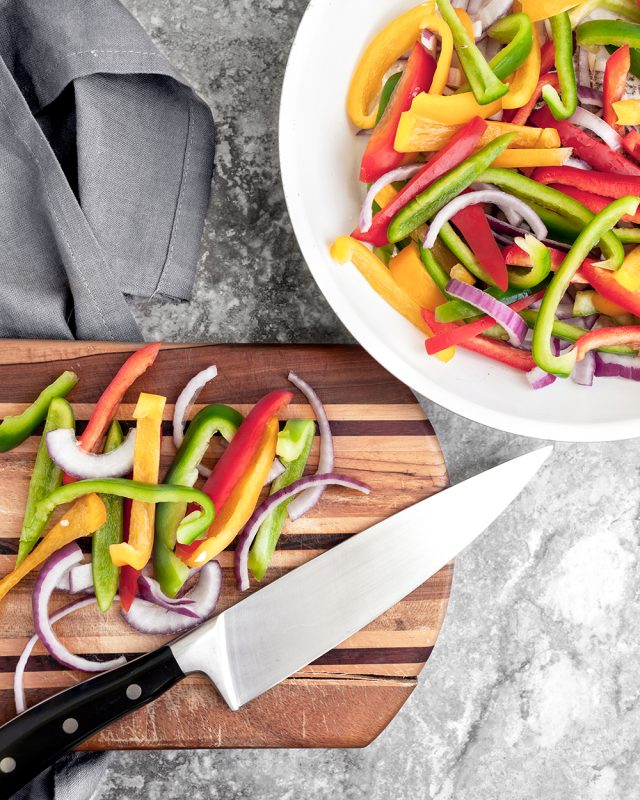
The process begins with the preparation of the vegetables. Bell peppers and onions are sliced and then sautéed in a large skillet over high heat for about 5 to 7 minutes. The aim is to achieve a tender yet slightly firm texture, which ensures they hold up well during storage and reheating. This technique preserves the vegetables’ crispness and prevents them from becoming overly soft.
Concurrently, the cauliflower rice is prepared in a separate skillet. It is cooked over medium-high heat for approximately 10 minutes, with regular stirring to ensure even cooking and prevent sticking. A critical aspect of this step is to cook off excess moisture, a crucial measure to prevent the meal prep from becoming watery when stored in the refrigerator.
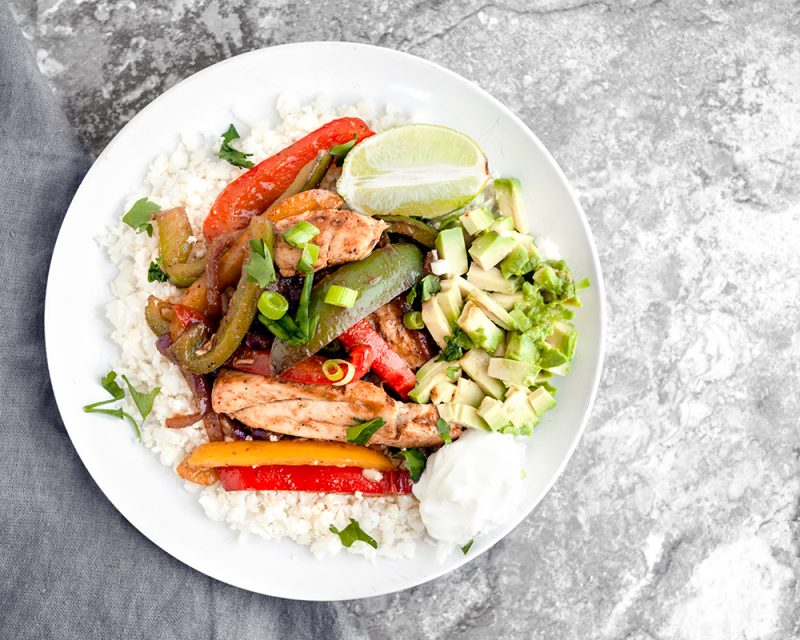
Once the cauliflower rice is cooked, the seasoned chicken and fajita seasoning are added to the same skillet. This step is relatively quick, especially if pre-cooked chicken is used. The primary goal is to warm the chicken through and thoroughly coat all the ingredients with the fajita seasoning, allowing the flavors to meld together.
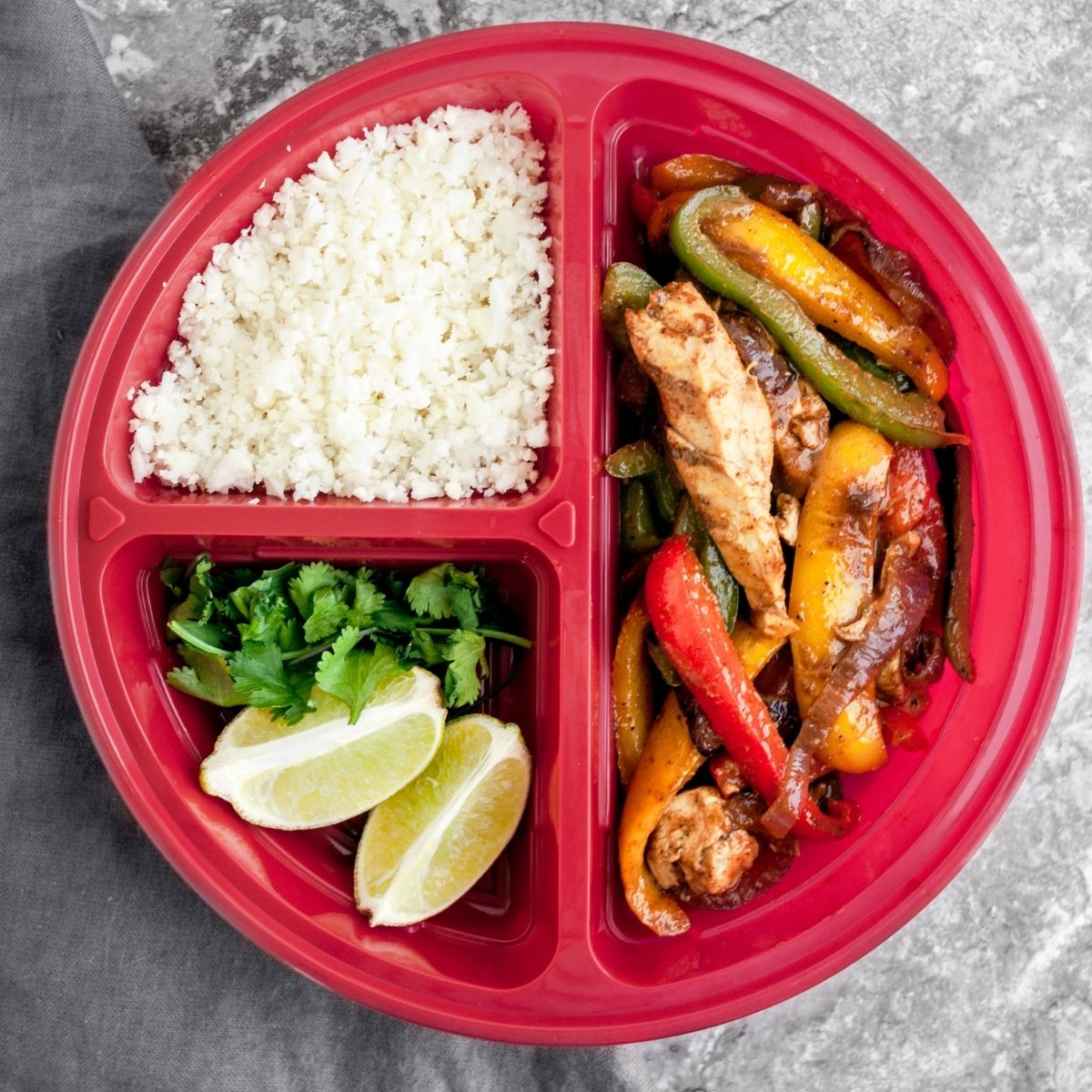
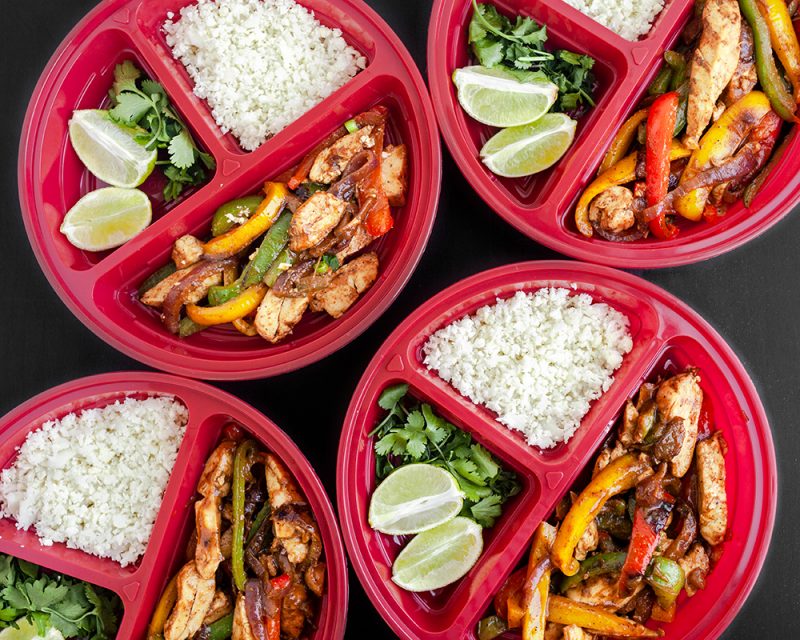
The final stage involves assembling the meal prep containers. The cooked cauliflower rice and fajita vegetable mixture are divided into meal prep containers. Toppings such as salsa verde, Greek yogurt, scallions, and avocado are then added. Chopped cilantro is often included as a finishing touch to provide a burst of fresh flavor.
Portioning and Storage Recommendations
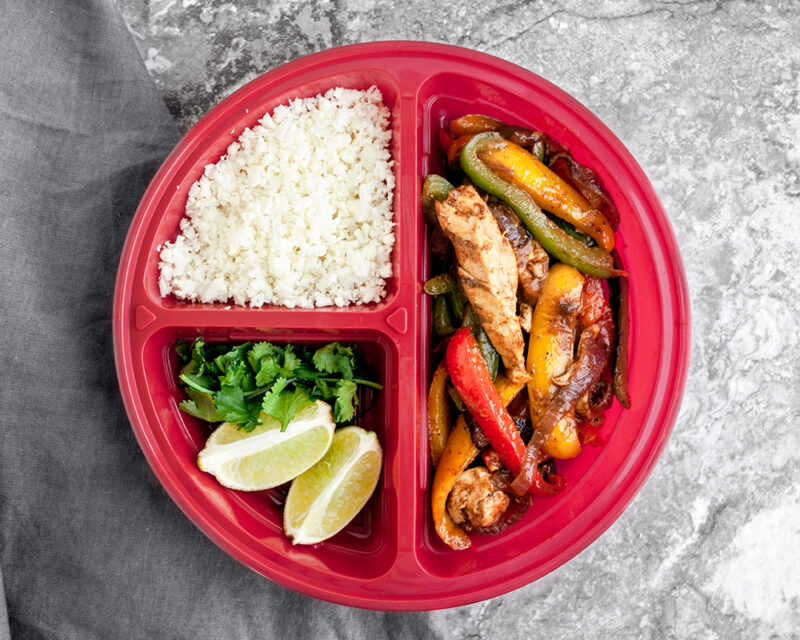
For optimal organization and ease of reheating, the article recommends using three-compartment meal prep containers. This allows for the separation of the main components – chicken and vegetables in one compartment, cauliflower rice in another, and a designated space for toppings. This compartmentalization not only aids in presentation but also simplifies the reheating process.

The Chicken Fajita Veggie Meal Prep is designed to remain fresh and palatable in the refrigerator for 3 to 4 days when stored in airtight containers. For the best texture, it is advised to store fresh toppings separately and consume the earlier portions first.
Freezing is also a viable option for longer-term storage. The cooked chicken, peppers, onions, and cauliflower rice can be frozen for 2 to 3 months. However, fresh toppings should be omitted before freezing and added back after reheating.
Reheating Instructions
The article provides guidance on the best methods for reheating this meal prep. Reheating in a skillet is suggested for achieving a superior texture, while the microwave offers a convenient alternative. In both cases, it is recommended to remove fresh toppings before warming and reintroduce them afterward to maintain their quality and freshness.
Dietary Compliance and Ingredient Integrity
A significant aspect of the Chicken Fajita Veggie Meal Prep is its adherence to popular dietary protocols. The core recipe is formulated to be compliant with Whole30, paleo, gluten-free, and low-carb diets. However, a crucial caveat is provided: consumers must diligently check the labels of packaged ingredients, such as fajita seasoning, salsa verde, and yogurt. Variations in ingredient formulations can affect dietary compliance, making label verification essential for individuals following strict dietary plans.
Supporting Data and Nutritional Analysis
While the original article does not provide detailed macronutrient breakdowns for every component, it offers a summary for a typical serving. One serving, which includes half a medium avocado, is estimated to contain approximately 304 calories. This is further broken down into 20.7 grams of protein, 29.8 grams of carbohydrates, 11.7 grams of fat, and 11.9 grams of fiber. This nutritional profile highlights the meal’s emphasis on lean protein and substantial fiber content, characteristic of a healthy and filling meal.
The high fiber content, largely attributed to the cauliflower rice and abundant vegetables, is particularly noteworthy. Fiber plays a crucial role in digestive health, satiety, and blood sugar regulation. The protein content, derived from the chicken, contributes to muscle maintenance and satiety, making it an effective component for weight management and sustained energy levels. The moderate fat content, especially when incorporating avocado, provides essential fatty acids and contributes to the meal’s overall palatability and nutrient absorption.
The low-carb nature of the meal, primarily due to the substitution of cauliflower rice for traditional grains, is a key selling point for individuals managing blood sugar levels or adhering to ketogenic or low-carbohydrate diets. This strategic ingredient choice allows for the enjoyment of flavorful, satisfying meals without the significant carbohydrate load associated with conventional grain-based dishes.
Broader Impact and Implications
The success and dissemination of meal prep recipes like the Chicken Fajita Veggie Meal Prep signal a broader trend towards proactive health management and the integration of nutrition into daily routines. The accessibility of such recipes through online platforms empowers individuals to take greater control over their dietary intake, even amidst busy schedules.

The emphasis on customizable and adaptable recipes also reflects a growing understanding of individual dietary needs and preferences. By offering a base recipe that can be modified to suit various lifestyles, such as swapping regular rice for cauliflower rice or adjusting toppings, these meal preparations cater to a diverse consumer base.
Furthermore, the promotion of healthy eating through convenient and appealing meal solutions can have a positive impact on public health. By making nutritious choices easier to implement, these strategies can contribute to improved dietary habits, potentially leading to better long-term health outcomes and a reduction in diet-related chronic diseases. The popularity of recipes that are both flavorful and health-conscious suggests a growing disconnect between perceived taste and actual nutritional value, with consumers increasingly seeking the best of both worlds.
The sustained interest in meal prepping also highlights the economic benefits for consumers. By preparing meals at home rather than relying on pre-packaged convenience foods or frequent restaurant meals, individuals can often achieve significant cost savings. This economic advantage, coupled with the health benefits, further solidifies meal prepping as a sustainable and beneficial practice.
In conclusion, the Chicken Fajita Veggie Meal Prep exemplifies the modern approach to healthy eating: it is efficient, adaptable, and delicious. Its widespread appeal underscores the ongoing demand for practical solutions that support busy lifestyles while prioritizing nutritional well-being and catering to diverse dietary requirements. As more individuals embrace the principles of meal preparation, recipes like this are likely to remain a staple in their weekly culinary repertoire.