
The Evolution of Plant-Based Emulsions
The culinary foundation of the Cheesy Jalapeño Cashew Dressing rests on the versatile properties of the cashew nut (Anacardium occidentale). Unlike traditional dressings that rely on egg yolks or heavy cream for emulsification, this recipe utilizes the high fat and starch content of cashews to create a stable, creamy texture. When processed in a high-speed blender, the cellular structure of the cashew breaks down, releasing natural oils and proteins that bind with water to form a smooth, dairy-like consistency.
Historically, the use of cashews as a dairy substitute gained traction in the late 20th century within vegan communities, but it was often hampered by the lack of powerful blending technology. The contemporary rise of high-speed blenders has revolutionized this process, allowing for the creation of "cashew cream" without the mandatory 12-hour soaking period previously required. This technological advancement is a primary driver behind the five-minute "active time" cited for this specific dressing.

Technical Composition and Ingredient Synergy
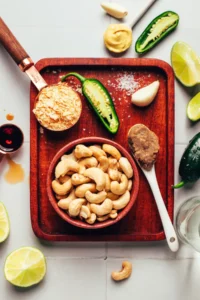
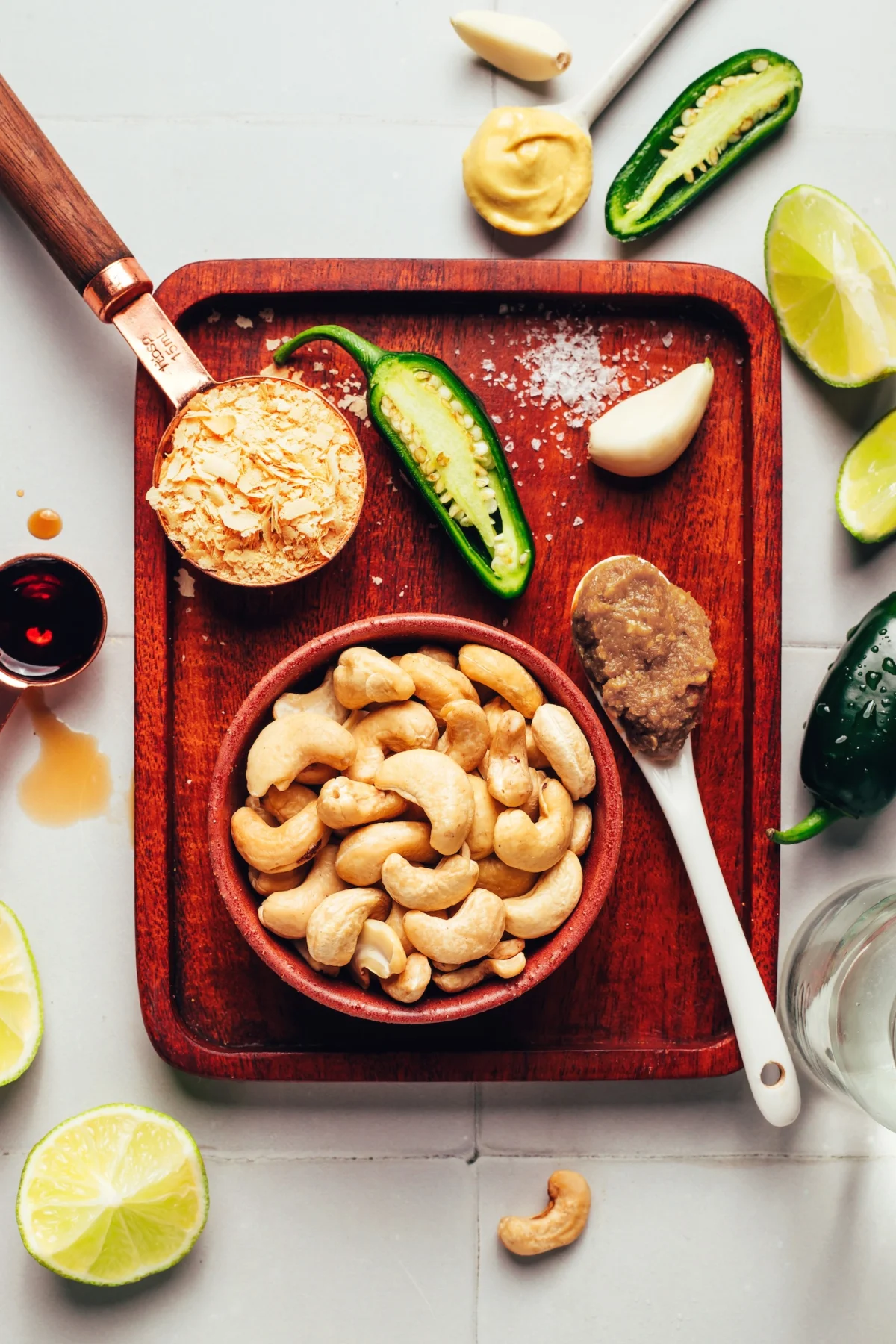
The dressing’s flavor profile is a result of calculated ingredient synergy, balancing acidity, heat, umami, and sweetness. The nine core components—cashews, lime juice, nutritional yeast, miso paste, Dijon mustard, maple syrup, salt, garlic, and jalapeño—serve specific functional and sensory roles:
- The Base (Cashews): Provides the caloric density and creamy mouthfeel.
- The "Cheesy" Element (Nutritional Yeast & Miso): Nutritional yeast, a deactivated yeast known as Saccharomyces cerevisiae, provides a nutty, savory flavor profile rich in B vitamins. This is augmented by miso paste, a fermented soybean product that introduces "umami," the fifth basic taste, which mimics the complexity of aged cheeses.
- The Acidic Brightener (Lime Juice & Dijon): Lime juice provides citric acid to cut through the fat of the cashews, while Dijon mustard acts as a secondary emulsifier and adds a sharp, vinegar-based tang.
- The Heat (Jalapeño): Introducing capsaicin, the jalapeño provides a "subtly spicy kick." Depending on the removal of seeds and membranes, the heat level can be adjusted to suit different palates, typically ranging from 2,500 to 8,000 on the Scoville scale.
- The Balancer (Maple Syrup): A small amount of natural sugar rounds out the bitterness of the garlic and the acidity of the lime.
Nutritional Analysis and Public Health Implications
From a nutritional standpoint, the Cheesy Jalapeño Cashew Dressing offers a distinct profile compared to commercial "Ranch" or "Blue Cheese" dressings. A standard 2-tablespoon serving contains approximately 70 calories, 4.9 grams of fat, and 2.8 grams of protein.
Significantly, the fat content is primarily derived from monounsaturated and polyunsaturated fatty acids, which are associated with improved cardiovascular health. Unlike dairy-based dressings, this formulation contains zero cholesterol and a negligible amount of saturated fat (0.9g). Furthermore, the inclusion of nutritional yeast contributes to the daily intake of essential vitamins, particularly B12, which is often a point of focus in plant-based diets.

Public health analysts suggest that the shift toward homemade, nut-based dressings could play a role in reducing the consumption of ultra-processed foods (UPFs). Commercial dressings often contain soybean oil, high-fructose corn syrup, and artificial thickeners like xanthan gum. By providing a "5-minute" alternative, culinary developers are lowering the barrier to entry for consumers looking to transition to whole-food ingredients.
Chronology of the Cashew Cream Trend
The development of cashew-based sauces can be traced through several cultural and technological milestones:
- 1990s: Cashew-based cheeses and dressings appear in specialized vegan cookbooks, primarily requiring long soaking times and cheesecloth straining.
- 2000s: The "Raw Food" movement popularizes the use of nuts as a primary source of fats, leading to more creative uses of seasonings like nutritional yeast.
- 2010s: The "High-Speed Blender Revolution." Brands like Vitamix and Blendtec become household staples, making it possible to pulverize raw nuts into smooth liquids in under 60 seconds.
- 2020-Present: The "Minimalist" movement in cooking emphasizes shorter ingredient lists and "one-pot" or "one-blender" methods. The Cheesy Jalapeño Cashew Dressing is a product of this era, focusing on maximum flavor with minimal logistical friction.
Market Context and Consumer Demand
The global vegan sauces and dressings market is projected to reach significant valuations by 2030, with a Compound Annual Growth Rate (CAGR) estimated between 7% and 9%. This growth is driven by "flexitarians"—consumers who are not strictly vegan but are looking to reduce their intake of animal products for health or environmental reasons.

Culinary experts note that the "cheesy" flavor profile remains one of the most sought-after sensations in the plant-based sector. Replicating the satiety and salt-fat-acid balance of cheese is a primary goal for food developers. The use of fermented elements like miso paste in this dressing aligns with the broader "probiotic" and "gut health" trends currently dominating the health food industry.
Practical Application and Culinary Versatility
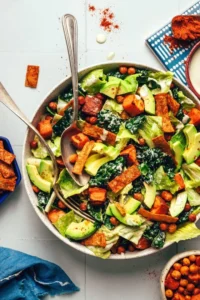
The versatility of the dressing is a key factor in its adoption. Beyond traditional salads, such as the Vegan Sweet Potato Chickpea Taco Salad, the dressing functions as a multipurpose sauce. Its thick consistency allows it to serve as:
- A Dip: For crudités, tortilla chips, or breaded cauliflower wings.
- A Spread: For wraps and sandwiches, providing a moisture barrier and flavor layer.
- A Drizzle: For grain bowls or roasted vegetables.
The recipe also addresses common kitchen "troubleshooting" issues. For instance, if a high-speed blender is not available, the recommendation to soak cashews in hot water for 30-60 minutes ensures that the final product remains accessible to a wide demographic of home cooks, regardless of their appliance inventory.

Expert Reactions and Community Feedback
While the primary recipe is a digital publication by Minimalist Baker, the response from the culinary community has been overwhelmingly positive, focusing on the "balance" of the flavor profile. Dietitians have praised the recipe for its use of whole fats, while home cooks have highlighted the convenience of the "no-soak" method.
Inferred reactions from the broader food blogging community suggest that this recipe fills a gap in the "spicy-creamy" category, which is often dominated by mayonnaise-based "Sriracha Creams" or "Chipotle Ranches." By utilizing jalapeño and lime, the dressing offers a brighter, more "Zesty" alternative that appeals to fans of Southwestern and Mexican-inspired cuisines.
Broader Impact and Future Outlook
The rise of the Cheesy Jalapeño Cashew Dressing is indicative of a larger movement toward "democratizing" gourmet plant-based food. What was once a complex process involving fermentation and specialty ingredients is now a five-minute task achievable by any consumer with a blender.

As the food industry continues to grapple with sustainability, the move toward nut-based dressings also has environmental implications. While cashew farming has its own set of ecological and labor challenges, the carbon footprint of plant-based dressings is generally lower than that of their dairy counterparts.
In conclusion, the Cheesy Jalapeño Cashew Dressing is more than a simple condiment; it is a synthesis of modern nutritional science, technological convenience, and culinary art. It reflects a society that is increasingly conscious of what it consumes, favoring ingredients that are recognizable, preparations that are efficient, and flavors that do not compromise on the sensory satisfaction traditionally provided by animal-based products. As home cooking continues to evolve, the "cashew cream" model will likely remain a cornerstone of the modern pantry.