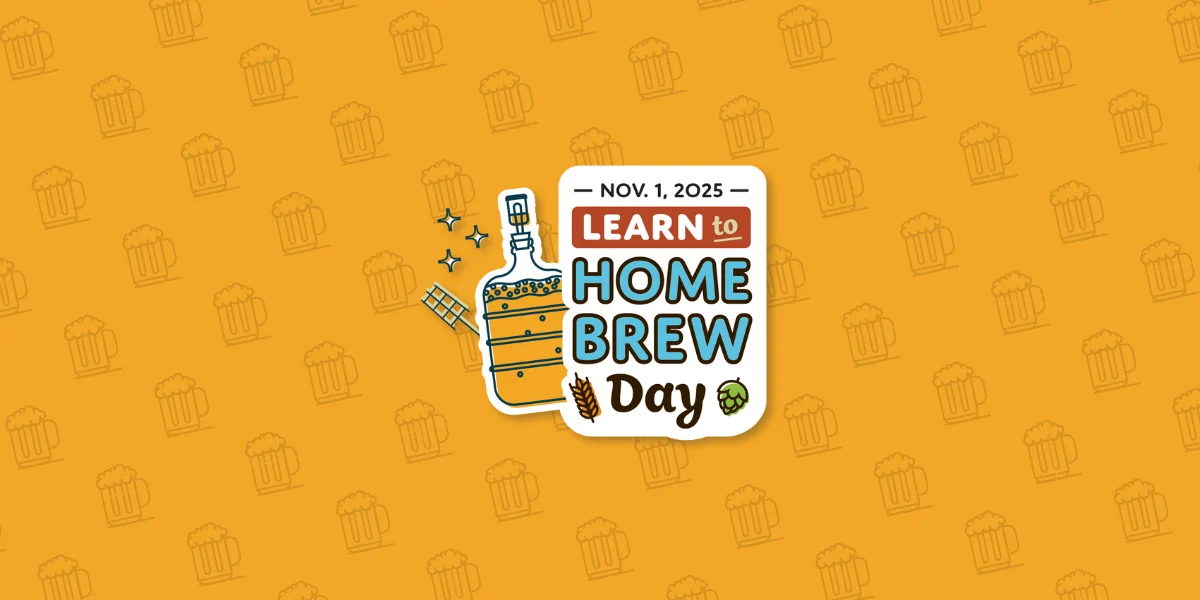

The American Homebrewers Association has officially announced that Saturday, November 1, 2025, will mark the latest iteration of Learn to Homebrew Day, an international grassroots movement established to introduce the public to the hobby of beer fermentation. Since its inception in 1999, the event has served as a cornerstone for the craft beer movement, providing a structured environment for enthusiasts to share technical knowledge, explore fermentation science, and foster community through the production of homemade malt beverages. This year’s celebration continues the tradition of offering standardized recipes and educational resources designed to lower the barrier to entry for novice brewers while providing a collaborative platform for seasoned veterans.
The 2025 event comes at a critical juncture for the domestic beer industry. As the American Homebrewers Association (AHA) continues to champion the interests of the estimated 1.1 million homebrewers in the United States, the organization has released two official recipes to anchor the day’s activities. These recipes are traditionally designed to cater to different skill levels, typically featuring an "extract" version for beginners who utilize concentrated malt sugars and an "all-grain" version for those utilizing traditional mashing techniques. By providing these templates, the AHA ensures a synchronized global brewing experience where participants from diverse geographic locations can produce the same beer styles simultaneously, comparing results and techniques through digital forums and local club gatherings.
The Historical Evolution of American Homebrewing
To understand the significance of Learn to Homebrew Day, one must look back to the legislative shift that occurred in the late 1970s. Homebrewing was effectively prohibited at the federal level in the United States from the onset of Prohibition until 1978. It was not until President Jimmy Carter signed H.R. 1337 into law that the federal government legalized the home production of beer for personal or family use. This landmark legislation, often referred to as the Cranston Act, catalyzed a dormant culture of fermentation enthusiasts.
Shortly after legalization, Charlie Papazian founded the American Homebrewers Association in Boulder, Colorado. Papazian, often cited as the "father of homebrewing," authored The Complete Joy of Homebrewing, a text that demystified the process and popularized the mantra, "Relax. Don’t worry. Have a homebrew." In 1999, the AHA established Learn to Homebrew Day specifically to encourage the transition of beer fans from passive consumers to active producers. Over the last 26 years, the event has evolved from a small series of backyard demonstrations into a global phenomenon supported by homebrew supply shops, commercial breweries, and thousands of independent clubs.
Chronology of the Event and Its Global Expansion
The timeline of Learn to Homebrew Day reflects the broader growth of the craft beer industry. In its early years, the event was primarily focused on North America, often coinciding with the first Saturday of November to distance it from the "Big Brew" event held in May. By the mid-2000s, participation had expanded into Europe and South America, mirroring the global "craft revolution."
In 2010, the AHA reported a significant surge in participation as digital platforms allowed for real-time sharing of brew day progress. By 2015, the event had integrated more sophisticated educational modules, moving beyond basic ale production to include discussions on water chemistry, yeast management, and advanced hop utilization. The 2020 and 2021 events saw a pivot toward virtual brewing sessions due to global health restrictions, which inadvertently led to a wider reach through live-streamed tutorials and webinars. The 2025 event is expected to see a return to robust in-person gatherings, bolstered by the technological tools developed during the previous five years.
Supporting Data: The Economic and Social Impact of Homebrewing
The homebrewing sector is more than a casual hobby; it is a significant economic driver within the broader beverage industry. According to data from the Brewers Association—the parent organization of the AHA—approximately 40% of professional craft brewers in the United States began their careers as homebrewers. This "pipeline effect" has been instrumental in the creation of over 9,000 craft breweries currently operating nationwide.
Market research indicates that the homebrewing industry contributes hundreds of millions of dollars annually to the economy through the sale of equipment, ingredients (such as malted barley, hops, and yeast), and educational literature. A typical homebrewer spends an average of $400 to $800 annually on supplies. Furthermore, the demographic of homebrewers has diversified significantly over the last decade. While historically dominated by a specific male demographic, the AHA has noted a 15% increase in female participation and a growing interest among younger adults who prioritize "DIY" culture and artisanal food production.
Official Responses and Industry Sentiment
While the AHA has not released a formal press statement regarding the specific 2025 recipes yet, industry leaders have long praised the event for its role in consumer education. Spokespersons for the association have frequently noted that a more educated consumer is beneficial for the entire beer ecosystem. "When people understand the complexity of ingredients and the precision required in fermentation, they develop a deeper appreciation for the professional craft beers they purchase," a representative from the AHA recently noted in an industry bulletin.
Local homebrew supply shop (LHBS) owners also view Learn to Homebrew Day as their most important annual outreach opportunity. Many shops host "open house" events on November 1, offering discounts on starter kits and live demonstrations. Industry analysts suggest that these local touchpoints are essential for maintaining the hobby’s growth, as they provide the hands-on mentorship that books and videos cannot fully replicate.
Technical Innovations and Educational Resources
For the 2025 event, the AHA has emphasized accessibility through its digital infrastructure. The association’s website serves as a central hub where participants can find:
- Standardized Recipe Calculators: Tools that allow brewers to scale recipes based on their specific equipment size and efficiency.
- Ingredient Substitution Guides: Essential for international participants who may not have access to specific North American hop varieties or malt brands.
- Find a Brew Site Map: A geographical directory of public brewing demonstrations, allowing newcomers to find mentors in their local area.
- Instructional Video Series: Short-form content covering everything from sanitization—the most critical step in brewing—to the "bottling vs. kegging" debate.
The 2025 recipes are expected to highlight modern brewing trends, potentially focusing on styles like the Hazy IPA or a traditional West Coast Pale Ale, which allow participants to experiment with different hopping techniques such as dry-hopping or whirlpool additions.
Broader Impact and Implications for the Craft Beer Industry
The implications of Learn to Homebrew Day extend beyond the individual kitchen or garage. Homebrewers are often the primary innovators in the beer world, experimenting with unconventional ingredients like botanical herbs, exotic fruits, and wild yeast strains long before they become commercially viable. This spirit of experimentation drives the "Research and Development" of the craft beer industry at no cost to commercial entities.
Furthermore, the event promotes a culture of sustainability. By brewing at home, enthusiasts often utilize reusable glass bottles and kegs, reducing the carbon footprint associated with the packaging and transport of commercial products. The AHA has also begun integrating "green brewing" tips into their educational materials, such as water conservation techniques and the composting of spent grains, which can be repurposed as animal feed or garden fertilizer.
Analysis of Future Trends in Fermentation Education
As we look toward the 2025 celebration, several trends are likely to define the future of the hobby. First is the rise of automated brewing systems. These electric, all-in-one "vessels" have made all-grain brewing more accessible to those with limited space, such as apartment dwellers. Second is the growing interest in non-alcoholic (NA) brewing. As the "sober-curious" movement gains traction, the AHA has seen increased demand for recipes that produce high-quality, flavorful beers with less than 0.5% ABV.
The 2025 Learn to Homebrew Day will likely serve as a testing ground for these new technologies and styles. By fostering an environment where failure is seen as a learning opportunity and success is shared with the community, the American Homebrewers Association ensures that the art of brewing remains a vibrant and evolving part of global culture.
In conclusion, Learn to Homebrew Day on November 1, 2025, represents more than just a date on a calendar for beer lovers. It is a testament to the enduring human desire to create, the scientific curiosity inherent in fermentation, and the strength of a community built on the shared joy of a well-crafted pint. Whether through the lens of economic impact, historical significance, or technical advancement, the event continues to be the premier gateway for the next generation of brewers to enter the craft. As the AHA invites the world to "fire up the kettle," the legacy of 1999 lives on in every batch of home-fermented beer produced across the globe.