
In an era where time constraints often dictate dietary choices, the demand for healthy, easy-to-prepare meals has surged. Meal prepping has emerged as a popular strategy to combat the allure of processed foods and time-consuming takeout. Among the burgeoning landscape of meal prep recipes, the "Cauliflower Steak With Quinoa & Tahini Meal Prep" has garnered attention for its ability to transform a humble vegetable into a satisfying and flavorful centerpiece. This dish offers a compelling solution for those who find consistent vegetable consumption a challenge, providing a well-rounded meal that is both accessible and enjoyable.
The Rise of Plant-Forward Meal Prep
The culinary world has witnessed a significant shift towards plant-based and plant-forward eating in recent years. This trend is driven by a confluence of factors, including growing awareness of the health benefits associated with increased vegetable intake, environmental concerns regarding meat production, and a desire for more diverse and flavorful dining experiences. However, the practical implementation of these dietary aspirations often faces a significant hurdle: time. The daily grind of work, family, and social commitments leaves many individuals with limited time for cooking, making meal preparation a critical component of maintaining a healthy lifestyle.
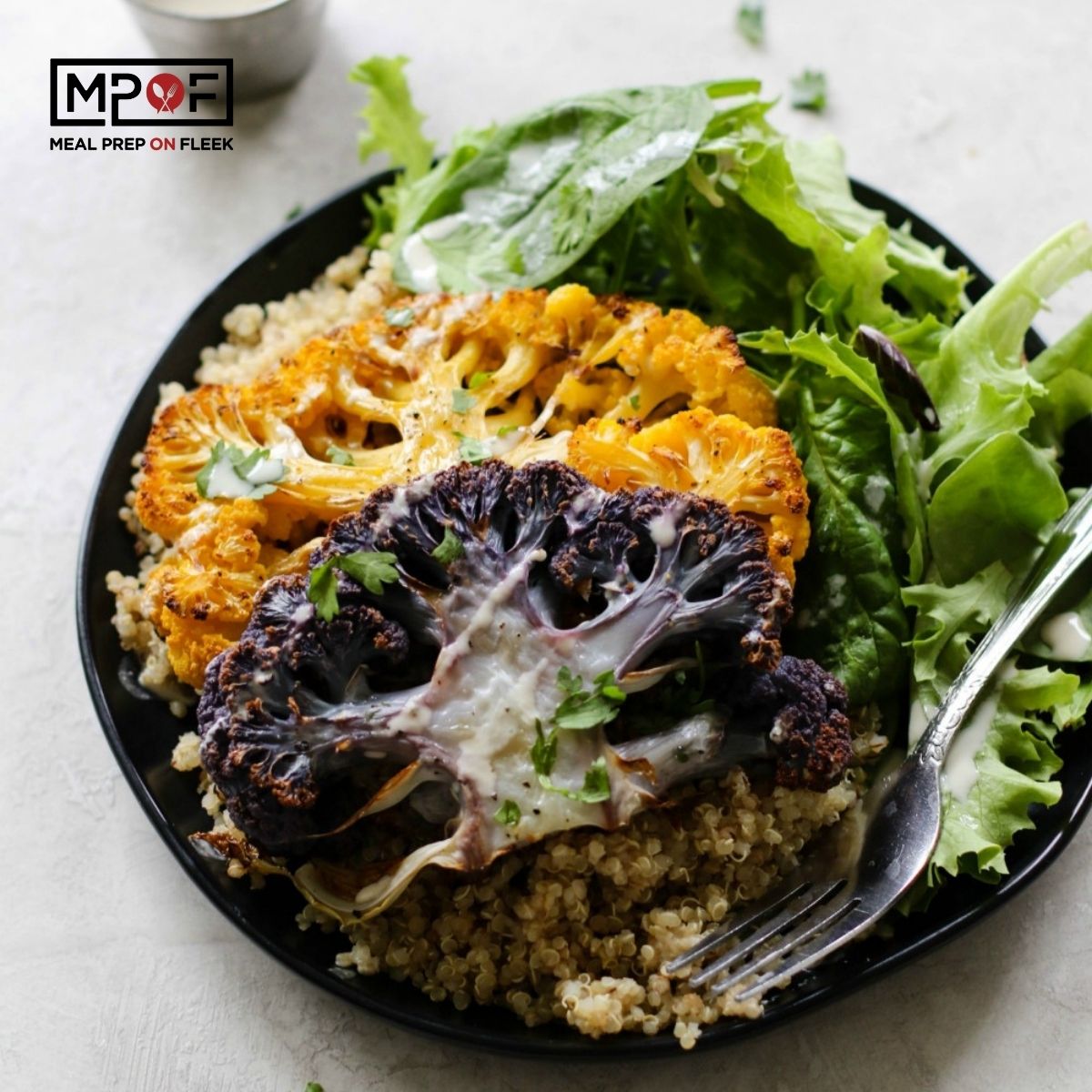
Meal prepping addresses this challenge by enabling individuals to prepare multiple meals in advance, saving time and reducing the temptation for less healthy options during the week. The cauliflower steak, in particular, has emerged as a star ingredient in the vegetarian and vegan meal prep community. Its versatility, ability to absorb flavors, and satisfying texture when roasted make it an ideal substitute for traditional meat-based entrees.
Deconstructing the Cauliflower Steak Meal Prep
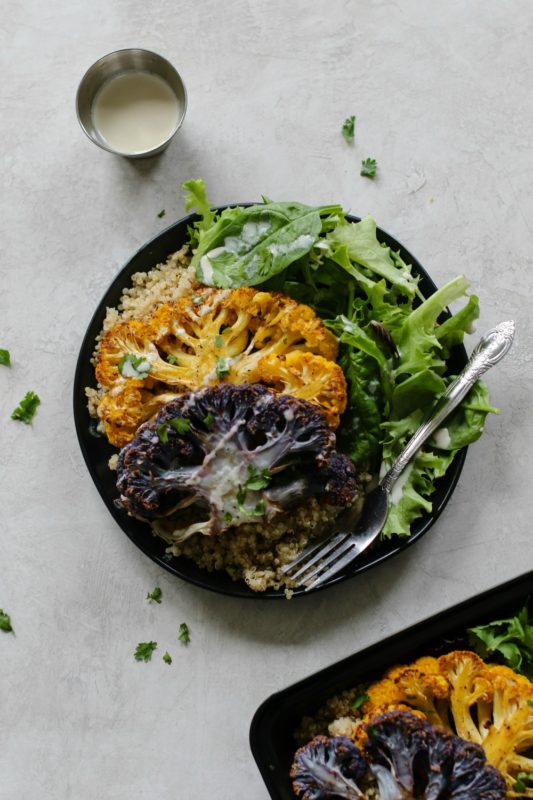
The "Cauliflower Steak With Quinoa & Tahini Meal Prep" is built upon a foundation of simple yet effective components, each contributing to its overall appeal and nutritional value.
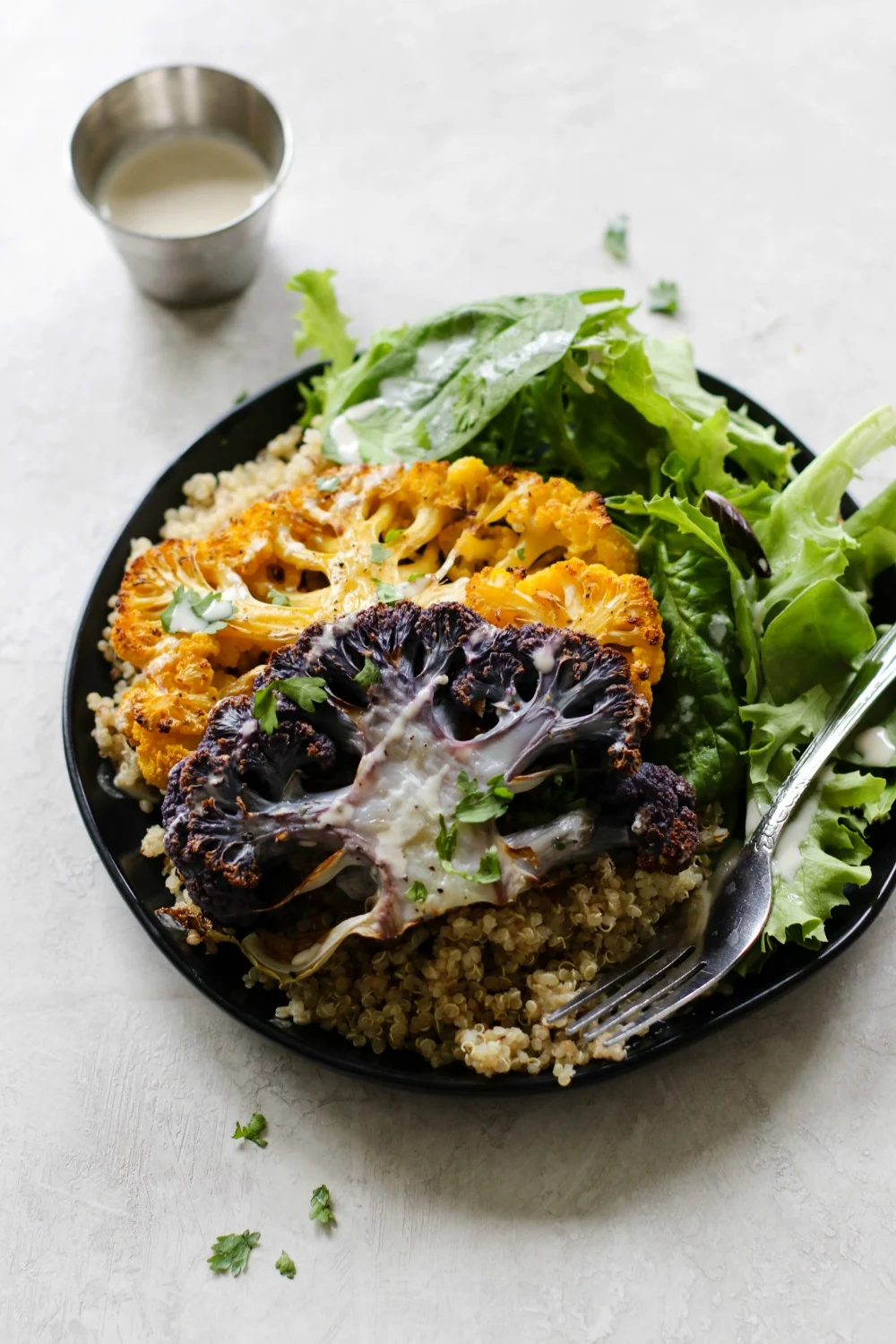
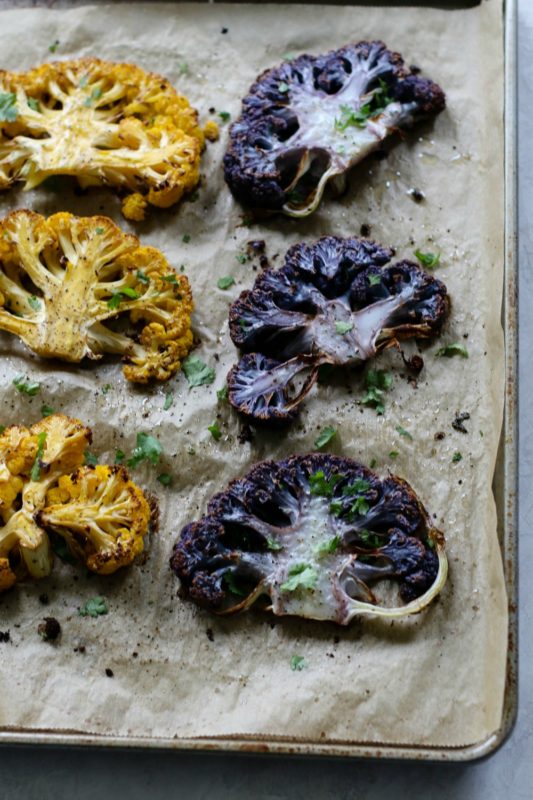
The Cauliflower Steak: The cornerstone of the dish, cauliflower is transformed into substantial "steaks" by slicing the head vertically into thick slabs. Roasting at a high temperature (425°F or 220°C) is key to achieving the desired texture: crispy and caramelized on the exterior, yielding to a tender, fork-tender interior. This cooking method not only enhances the flavor of the cauliflower but also imparts a satisfying mouthfeel, often likened to that of a traditional steak. The recipe emphasizes minimal waste by suggesting the roasting of any leftover florets alongside the steaks.
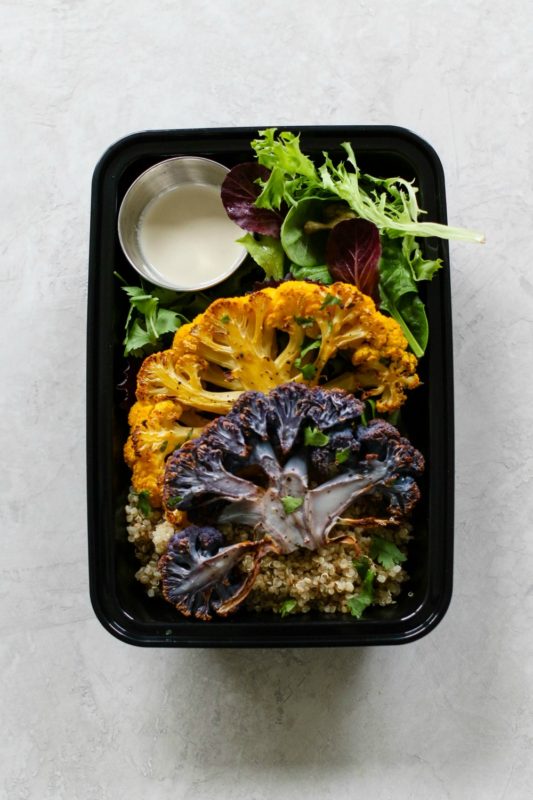
Fluffy Quinoa: As a complete protein source and a complex carbohydrate, quinoa provides the necessary sustenance and staying power to make the meal truly filling. The recipe advises thorough rinsing of the quinoa before cooking to eliminate any natural bitterness from saponins, ensuring a clean and pleasant taste. Cooked until fluffy and allowed to cool slightly before assembly, quinoa serves as a neutral yet nourishing base for the other components.
Crisp Greens: A serving of fresh, crisp greens adds essential vitamins, minerals, and a refreshing contrast to the cooked elements. While the specific type of greens isn’t mandated, a common practice involves a blend of leafy vegetables like spinach, arugula, or mixed salad greens.
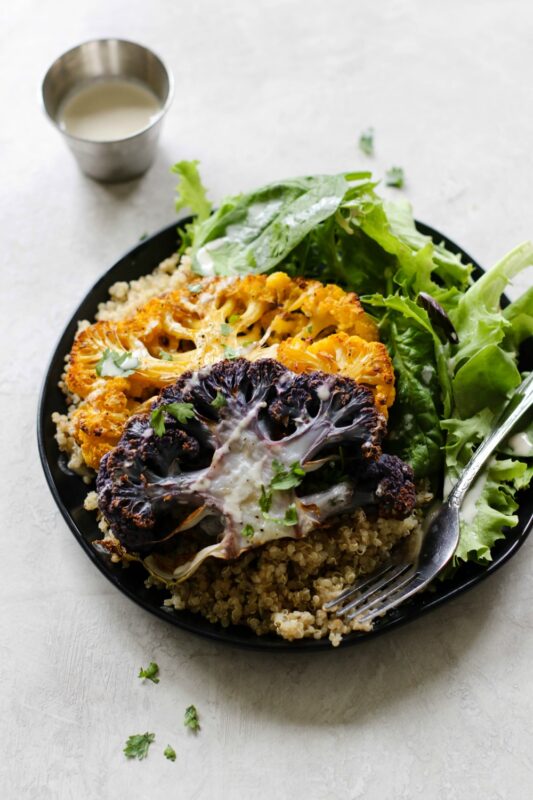
Lemony Tahini Sauce: The vibrant and creamy tahini sauce acts as the unifying element, bringing together the diverse flavors and textures of the meal. Typically made with tahini (sesame paste), lemon juice, and water, it can be enhanced with fresh herbs like parsley for an aromatic lift. The consistency is adjusted with water to achieve a pourable, drizzly texture. The bright, tangy notes of the lemon cut through the richness of the tahini, creating a well-balanced dressing that elevates the entire dish.
The Meal Prep Process: Efficiency and Convenience
The appeal of this recipe lies not only in its ingredients but also in its straightforward preparation process, designed for efficiency.
-
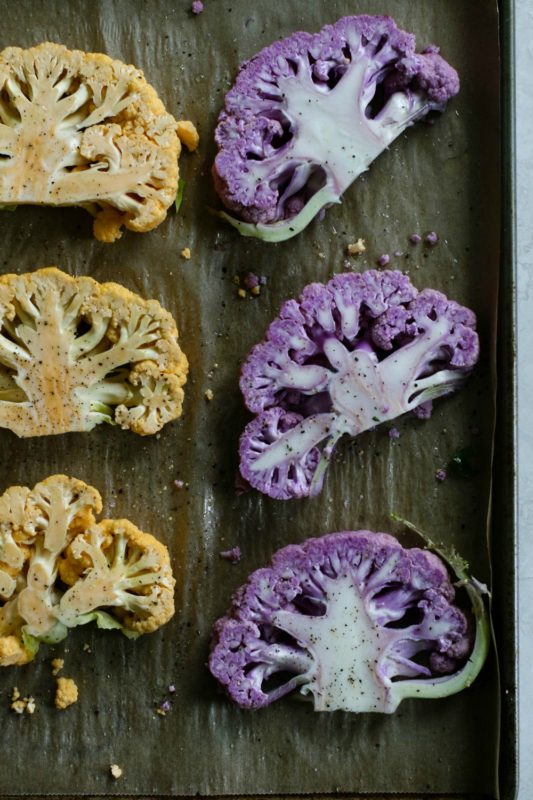
Oven Preparation and Cauliflower Slicing: The process begins with preheating the oven to 425°F (220°C). The cauliflower heads are trimmed, and thick slices, approximately ¾ to 1 inch in width, are cut. The central core of the cauliflower is crucial for holding these "steaks" together during cooking and handling.
-
Roasting the Cauliflower: The cauliflower steaks are brushed with a healthy fat, such as avocado oil, and seasoned generously with salt and pepper. They are then roasted for 20-30 minutes, with a crucial halfway flip to ensure even browning and tenderness. A helpful tip provided is to reduce the oven temperature if the steaks begin to brown too quickly while still being undercooked, ensuring optimal texture.
-
Cooking the Quinoa: While the cauliflower roasts, the quinoa is prepared. Rinsing is a vital step to remove saponins, which can impart a bitter taste. Following package instructions, the quinoa is cooked until light and fluffy. Allowing it to cool slightly before assembling the meal prep containers prevents excessive steaming and maintains the integrity of the grains.
-
Whisking the Tahini Sauce: The tahini sauce is a simple emulsion. Tahini, lemon juice, and water are whisked together until smooth. The addition of chopped parsley offers a fresh, herbaceous dimension. Adjusting the water content allows for the desired pourable consistency.
-
Assembling the Meal Prep Bowls: The final step involves dividing the cooled quinoa into individual meal prep containers. The fresh greens are added, followed by the roasted cauliflower steaks. The tahini sauce is typically portioned into small, separate containers to be added just before serving, preventing the greens from wilting and maintaining the crispness of the cauliflower.
Storage and Reheating Considerations
Effective storage and reheating are paramount for any successful meal prep strategy, ensuring the quality and appeal of the food throughout the week.
Storage: For optimal freshness, it is recommended to store the assembled meal prep containers in the refrigerator. The tahini sauce should be kept separate, either in small individual containers or a larger one, to prevent sogginess in the greens and maintain the texture of the cauliflower. Allowing the quinoa to cool completely before sealing the containers is also advised to prevent condensation buildup.
Freezing: The question of freezing is a common one for meal preppers. For this particular dish, freezing the roasted cauliflower and quinoa is feasible. However, the fresh greens are best omitted from frozen portions, as they tend to lose their texture and crispness upon thawing. The tahini sauce can also be frozen, though it may require a quick whisk to re-emulsify after thawing. Fresh greens and the thawed sauce can be added upon reheating.
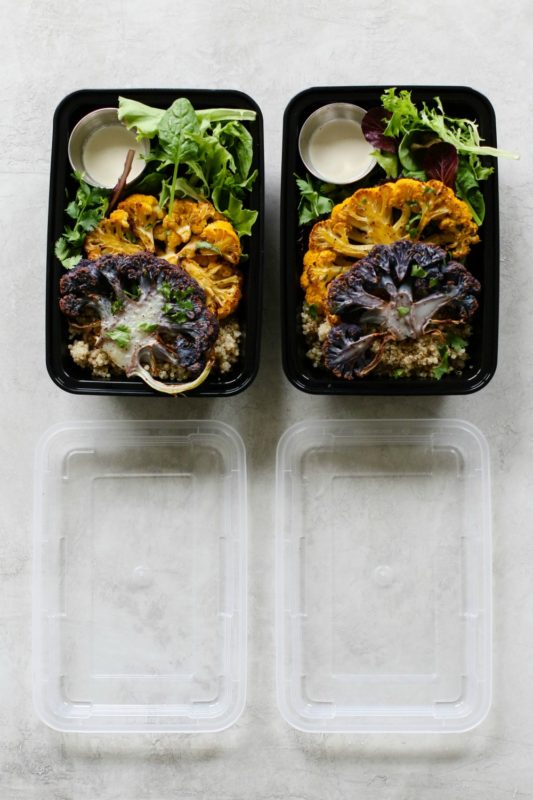
Reheating: The best reheating method depends on the desired outcome for the cauliflower. For a crisper exterior, reheating in an oven or air fryer is recommended. This method helps to revive the caramelized edges of the cauliflower steaks. While microwaving is a faster option, it tends to soften the cauliflower, resulting in a less desirable texture for some. A practical approach is to warm the quinoa and cauliflower separately, then add the fresh greens and drizzle with the sauce just before consuming.
Nutritional Profile and Customization
The "Cauliflower Steak With Quinoa & Tahini Meal Prep" offers a robust nutritional profile, emphasizing whole foods and balanced macronutrients. While exact nutritional values can vary based on portion sizes and ingredient variations, a typical serving provides a good balance of carbohydrates, protein, healthy fats, and significant dietary fiber.
- Protein: Quinoa is a complete protein, and tahini also contributes protein, making this a satisfying option for vegetarians and vegans.
- Fiber: The high fiber content from cauliflower, quinoa, and greens aids in digestion, promotes satiety, and contributes to overall gut health.
- Vitamins and Minerals: Cauliflower is a good source of Vitamin C and Vitamin K, while quinoa provides essential minerals like magnesium and manganese.
- Healthy Fats: Tahini is a source of monounsaturated and polyunsaturated fats, which are beneficial for heart health.
The recipe is also highly customizable, allowing individuals to tailor it to their specific dietary needs and preferences.
- Grain Swaps: While quinoa is a popular choice, other grains like brown rice, farro, or even lentils can be substituted.
- Vegetable Additions: Roasted sweet potatoes, broccoli florets, or bell peppers can be added to the mix for increased variety and nutrient density.
- Spice Variations: The cauliflower can be seasoned with a wider array of spices, such as smoked paprika, cumin, or curry powder, to impart different flavor profiles.
- Sauce Adjustments: For those seeking a spicier kick, a touch of sriracha or chili flakes can be added to the tahini sauce. Other creamy sauces, like a lemon-herb vinaigrette or a cashew-based dressing, could also be explored.
Addressing Common Meal Prep Challenges
The recipe and accompanying tips proactively address common concerns associated with meal prepping:
- Cauliflower Steak Integrity: A key tip for preventing cauliflower steaks from falling apart is to slice them thickly (¾ to 1 inch) and to keep the core intact, as this central stem provides structural support.
- Quinoa Bitterness: The straightforward advice to rinse quinoa thoroughly before cooking effectively mitigates any bitter taste.
- Soggy Greens: Strategies like keeping the sauce separate, cooling the quinoa completely, and even packing greens in a separate container are offered to combat the perennial problem of wilted greens.
- Freezing Effectiveness: Clear guidance on which components freeze well and which are best kept fresh ensures optimal results when thawing prepped meals.
- Reheating Preferences: Providing multiple reheating options acknowledges that users have different preferences for the final texture of their food.
Broader Implications and the Future of Convenient Nutrition
The "Cauliflower Steak With Quinoa & Tahini Meal Prep" exemplifies a broader trend towards making healthy eating more accessible and less intimidating. As more individuals seek practical solutions for incorporating nutritious foods into their busy lives, recipes that are simple, versatile, and deliver on taste and satisfaction will continue to gain prominence. The success of such recipes underscores the evolving relationship between consumers and their food choices, where convenience and health are increasingly seen as complementary, rather than contradictory, goals.
The continued innovation in plant-based cuisine and meal preparation techniques suggests a future where nutritious, flavorful, and time-efficient meals are readily available to a wider audience. As culinary creativity meets the practical demands of modern living, dishes like the cauliflower steak meal prep are not just recipes, but rather solutions that empower individuals to take control of their health and well-being, one delicious, prepped meal at a time.