
The American Homebrewers Association (AHA) has officially opened the voting period for its 2026 Board of Directors election, a pivotal moment in the organization’s history as it navigates a significant structural transition toward operational independence. From March 2 through March 29, 2026, active members are invited to review a curated slate of ten candidates and cast their ballots to fill four open seats on the governing body. This election represents more than just a routine administrative update; it serves as a foundational step in the AHA’s multi-year strategy to redefine its governance and ensure long-term sustainability within the global fermentation community.
Following an extensive open call for nominations, the AHA received 28 applications from a diverse array of brewing enthusiasts, industry professionals, and community leaders. The current Board of Directors, tasked with ensuring a balanced and skilled leadership team, narrowed this pool down to ten finalists. These candidates were selected based on their professional backgrounds, their historical commitment to the hobby of homebrewing, and their ability to provide the strategic oversight necessary for the Association’s next chapter.
The Strategic Shift Toward Independence
The 2026 election occurs against the backdrop of the AHA’s landmark transition to independence, a process that began in earnest in 2025. Historically, the AHA has operated under the umbrella of the Brewers Association (BA), benefiting from shared resources and administrative support. However, to better serve the specific needs of the homebrewing community and to allow for more agile decision-making, the organization is moving toward a self-governed model.
To maintain organizational continuity during this sensitive period, the AHA has implemented a staggered term system for its directors. This ensures that the Board does not undergo a complete turnover in a single year, allowing institutional knowledge to be preserved. In the current 2026 cycle, three founding directors will continue their existing terms, while the four newly elected members will join them to expand the total Board size from five to seven individuals. This expansion is designed to provide a broader range of perspectives and to distribute the increased workload associated with an independent non-profit entity.
Candidate Selection and Qualifications
The ten candidates appearing on the 2026 ballot represent a cross-section of the homebrewing world. The AHA has emphasized that a strong Board requires a mix of "hard" and "soft" skills. While a deep passion for beer and fermentation is a prerequisite, the nominating committee also looked for expertise in areas such as:
- Financial Oversight and Fiduciary Responsibility: As the AHA takes on full responsibility for its budgeting and revenue streams, directors with experience in non-profit accounting and financial planning are highly valued.
- Strategic Planning: The ability to look beyond the current year and set five-to-ten-year goals for membership growth and industry influence.
- Legal and Regulatory Knowledge: Understanding the complexities of homebrewing laws at both the state and federal levels remains a core priority for the Association’s advocacy efforts.
- Diversity and Community Outreach: Ensuring that the Board reflects the evolving demographics of the homebrewing community, including efforts to engage younger brewers and underrepresented groups.
- Marketing and Communications: Strengthening the AHA’s digital presence and value proposition to attract new members in a competitive hobbyist market.
Each candidate has provided a comprehensive profile, including a biography and a statement of interest, which members can access via the secure membership portal. These statements often highlight the candidate’s vision for the future of the National Homebrew Competition (NHC) and the annual Homebrew Con, two of the Association’s flagship events.
Chronology of the 2026 Election Process
The path to the March voting period followed a strict timeline designed to ensure transparency and member involvement:
- Late 2025: The AHA issued an open call for nominations, inviting any active member in good standing to apply for a leadership role.
- January 2026: The Board Governance Committee reviewed 28 applications, conducting interviews and background checks to verify qualifications and alignment with the AHA’s mission.
- February 2026: The final slate of ten candidates was announced to the membership. Educational materials, including candidate profiles and "Meet the Candidate" digital features, were released.
- March 2, 2026: Official voting opened at 12:00 PM MT.
- March 29, 2026: Voting closes at 11:59 PM MT.
- April 2026: Election results will be certified and announced to the public.
- Mid-2026: The newly elected directors will be seated, beginning their terms and participating in the Association’s summer strategic planning session.
Data and Membership Impact
The AHA currently represents tens of thousands of homebrewers across the United States and internationally. Participation in Board elections is historically viewed as a key indicator of member engagement. For the 2026 cycle, the Association is aiming for record turnout, citing the high stakes of the independence transition.
Internal data from previous years suggest that a diverse Board leads to higher retention rates among members, particularly when the leadership successfully advocates for legislative changes. For example, the AHA’s past successes in legalizing homebrewing in all 50 states were driven by a Board that prioritized government affairs. The 2026 Board will be expected to continue this legacy, focusing on "Homebrew-friendly" legislation that reduces barriers for small-scale fermenters.
Official Stance and Governance Priorities
The AHA leadership has been vocal about the importance of this specific election. In communications to the membership, the Association noted that the incoming Board will be responsible for "guiding the AHA’s future and long-term sustainability." This includes managing the transition of administrative functions that were previously handled by the Brewers Association, such as membership database management, insurance procurement, and independent financial auditing.
The top priorities identified for the 2026-2027 term include:
- Sustainability: Developing new revenue models that do not rely solely on membership dues, such as corporate partnerships and expanded educational certifications.
- Inclusivity: Implementing the AHA’s diversity, equity, and inclusion initiatives to ensure the hobby remains welcoming to all.
- Educational Excellence: Enhancing the "Zymurgy" magazine archives and digital learning platforms to provide members with cutting-edge brewing science.
- Event Evolution: Reimagining the format of national gatherings to be more accessible and cost-effective for the average hobbyist.
Analysis of Implications for the Brewing Industry
The shift in the AHA’s governance structure reflects a broader trend in the craft beverage industry. As the market matures, hobbyist organizations are finding it necessary to professionalize their leadership to maintain relevance. By moving toward an independent Board of seven directors, the AHA is positioning itself to be more than just a fan club; it is becoming a sophisticated advocacy group.
Industry analysts suggest that the success of this transition depends heavily on the caliber of the four directors elected this March. If the membership selects a Board with strong business acumen, the AHA could see a resurgence in membership numbers, which have fluctuated in the post-pandemic era. Furthermore, an independent AHA may have more freedom to partner with a wider variety of industry stakeholders, potentially leading to new benefits for members, such as discounts on supplies, exclusive access to rare ingredients, and improved insurance options for homebrew clubs.
The outcome of this election will also influence the relationship between homebrewers and the commercial craft beer sector. Many professional brewers started as AHA members, and a strong Association ensures a steady pipeline of talent and innovation for the commercial industry.
Participation Guidelines
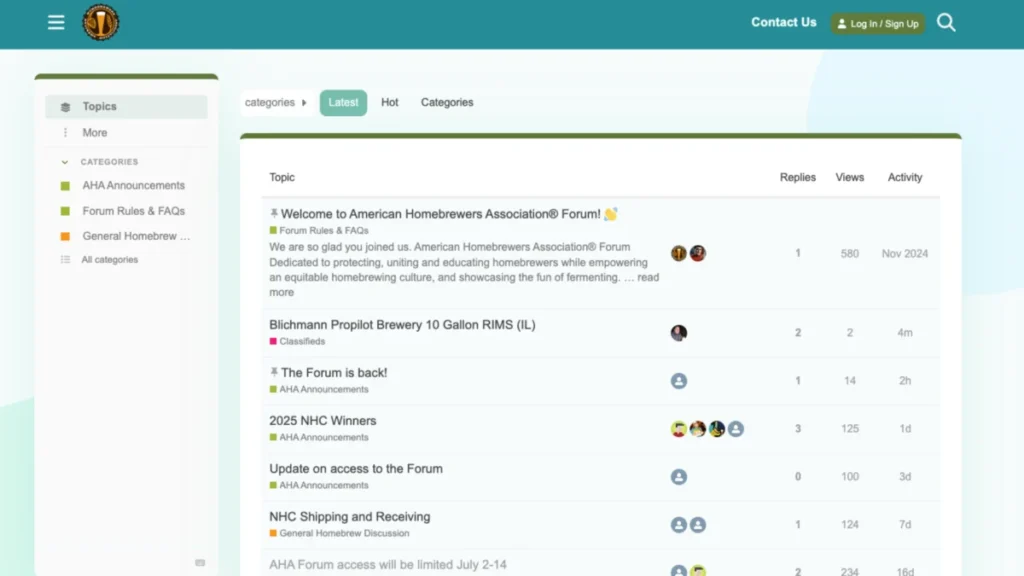
To participate in the election, individuals must hold an active AHA membership as of the start of the voting period. The Association has streamlined the process to be "straightforward and secure," utilizing a digital balloting system that prevents duplicate voting and ensures anonymity. Members are required to log in to their accounts on the official AHA website to access the ballot.
For those whose memberships have lapsed, the AHA is offering a grace period to renew and participate in the vote, emphasizing that "the American Homebrewers Association runs on members like you." Technical support is being provided by the membership team via email and phone to ensure that no member is disenfranchised due to login issues.
As the March 29 deadline approaches, the brewing community remains focused on the potential for renewal. The 2026 Board of Directors will not only inherit the legacy of pioneers like Charlie Papazian but will also be tasked with drafting the blueprint for the next fifty years of homebrewing in America. Through this democratic process, the AHA reaffirms its commitment to being a member-driven organization where the future of the craft is decided by those who brew it.