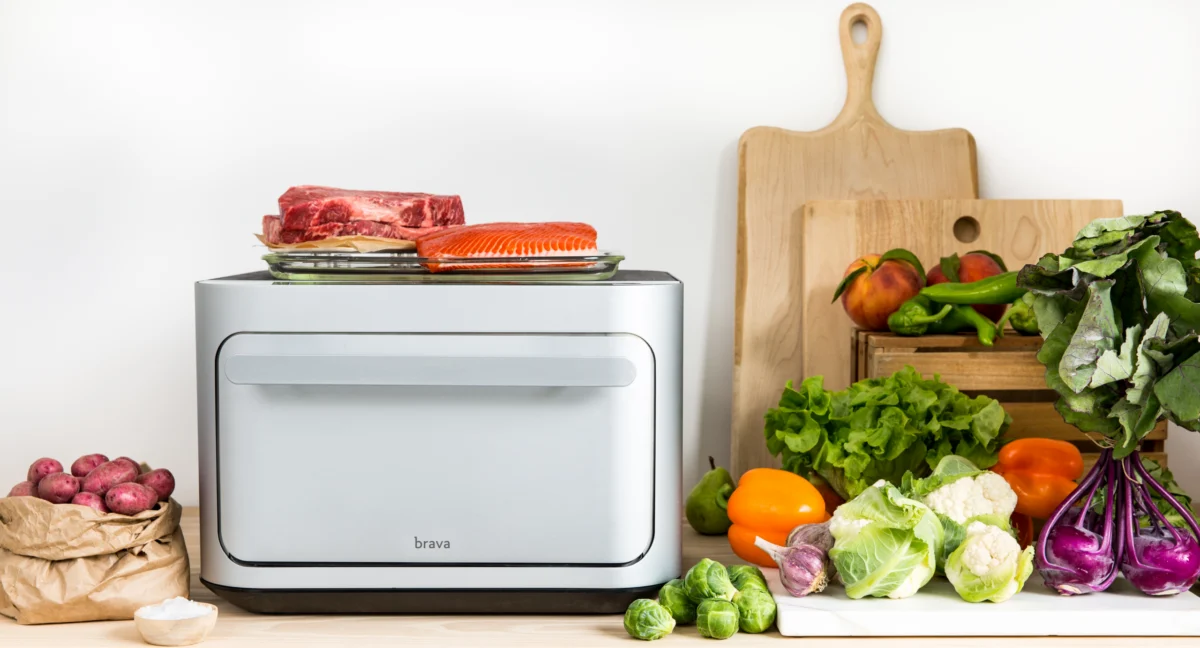

The landscape of smart kitchen appliances has once again seen a significant player exit the market, with Brava, a company renowned for its innovative countertop ovens that utilize "pure light" technology for cooking, announcing the cessation of its operations. This development, confirmed by the company on its social media channels and website, marks a somber moment for its dedicated user base and raises further questions about the long-term viability of specialized smart kitchen gadgets. Brava officially ceased operations on March 6th, bringing an abrupt end to the production of new ovens, the release of software updates, and the development of new recipes.
A Sudden Halt to Innovation
In a formal announcement posted across its social media platforms, including LinkedIn and Facebook, Brava Home Inc. shared the difficult news with its customers and the wider industry. The statement detailed that all operations concluded on March 6th. This means that consumers will no longer be able to purchase new Brava ovens. Furthermore, the company has stated that no new recipes will be added to its digital library, nor will any further software or accessibility updates be rolled out for the existing devices. This effectively signals the end of the product’s development lifecycle, leaving existing owners with a finite ecosystem.
The company also addressed the status of its online services. While the Brava Cloud service and its extensive online recipe library remain operational for the time being, Brava cautioned that these platforms could be subject to limitations or complete discontinuation at any point. This uncertainty has understandably caused considerable anxiety among Brava owners, many of whom rely on these digital components for the full functionality and culinary exploration their ovens offer. In terms of post-operation support, Brava indicated that customer service, repairs, and the availability of replacement parts will be provided for a limited duration, contingent on the availability of remaining resources. This limited window for support adds another layer of concern for those who have invested in the technology.
Financial Realignments Precede Closure
The abrupt shutdown of Brava comes shortly after a significant organizational shift within its parent company, Middleby Corporation. In early February, Middleby announced that it had sold a controlling interest in its residential kitchen division to the private equity firm 26North. This business unit was subsequently rebranded as Composition Brands. While it remains unclear whether Brava was explicitly included in this transaction and therefore transferred to 26North/Composition Brands, a former Brava employee has reportedly confirmed that the majority ownership of Brava did indeed pass to the new entity. This financial maneuver, coupled with Brava’s subsequent closure, suggests a potential strategic realignment or a reassessment of the brand’s profitability and future potential within the newly formed Composition Brands structure.
The news of Brava’s demise echoes a similar situation that befell another prominent smart oven company, June. When June Oven ceased operations, it left its users with similar concerns about the longevity of their smart appliances. The parallels are not lost on the Brava community, many of whom have expressed their dismay and disappointment. These owners, some of whom have been using their Brava ovens nearly daily since as far back as 2019, feel a sense of loss and abandonment. The investment in these sophisticated kitchen tools, often positioned as long-term kitchen companions, now feels precarious.
Customer Reactions and Concerns
The announcement has ignited a flurry of reactions from Brava’s loyal customer base. The potential discontinuation of the cloud service is a primary source of anxiety. One particularly vocal customer, commenting on Brava’s Facebook page, articulated this fear succinctly: "They’re going to potentially discontinue the cloud, which would make it into a very expensive paperweight?!" This sentiment highlights the inherent risk associated with highly connected, cloud-dependent appliances. When the supporting infrastructure is withdrawn, the device’s functionality can be severely compromised, transforming a sophisticated piece of technology into a mere appliance with limited capabilities.
Beyond the digital realm, concerns about the availability of physical support are also prevalent. The prospect of not being able to obtain replacement parts or professional repair services in the future raises questions about the true lifespan of these "smart" devices. For consumers who have integrated these ovens into their daily routines, the idea of their appliance becoming irreparable or obsolete due to a lack of support is a disheartening reality. This situation underscores the importance of transparency and long-term commitment from manufacturers regarding the ongoing support and maintenance of their connected products.

The Evolving Smart Oven Market
Brava’s departure further narrows the field of companies that have entered the smart oven market over the past decade. The initial wave of innovation promised a revolution in home cooking, with ovens offering advanced connectivity, pre-programmed cooking cycles, and remote control capabilities. However, the market has proven to be a challenging one, with high development costs, complex supply chains, and the need to constantly innovate to stay relevant.
Among the remaining players, Anova, now a division of Electrolux, has carved out a niche with its steam-enabled precision ovens. Tovala and Suvie, on the other hand, have adopted a model that heavily relies on food delivery services, positioning their devices as integrated meal solutions rather than standalone cooking appliances. Both companies derive a significant portion of their revenue from subscription-based food offerings. Other brands like Breville and Chef IQ offer smart ovens with enhanced app connectivity, allowing users to control settings, monitor cooking progress, and access recipes remotely. However, none of these have fundamentally reimagined the cooking process itself in the way Brava attempted with its light-based technology.
The Future of Light-Based Cooking
Brava’s core innovation lay in its use of "pure light" – a combination of halogen, infrared, and convection heat – to cook food rapidly and evenly. This method aimed to provide superior searing, browning, and moisture retention compared to traditional ovens. The company touted its ability to cook a steak in under five minutes or roast a whole chicken in under 30 minutes, a significant departure from conventional cooking times. This focus on speed and precision cooking was a key differentiator in the market.
For consumers who were captivated by Brava’s light-based cooking approach and are now seeking a similar culinary experience, there might be a glimmer of hope on the horizon. Tom Klaff, CEO of Revolution Cooking, recently indicated that his company’s "Macrowave," a smart oven that utilizes infrared light technology for cooking, is slated to begin shipping in November. This development suggests that the concept of light-based cooking is not entirely dead, and that innovation in this specialized area may continue, albeit with different players and potentially different technological implementations. The success of the Macrowave, and the broader market’s reception to it, will be a key indicator of whether light-based cooking can find a sustainable place in the modern kitchen.
Broader Implications for Connected Appliances
The closure of Brava serves as a potent reminder of the inherent risks and challenges associated with the smart appliance sector. While the allure of connected technology and innovative cooking methods is undeniable, the long-term sustainability of these ventures often hinges on factors beyond product innovation. These include effective marketing, scalable manufacturing, robust supply chain management, and, crucially, a clear and profitable business model that can endure market fluctuations and evolving consumer demands.
The trend of specialized smart kitchen gadgets facing difficulties is not isolated. The market is witnessing a consolidation, with larger conglomerates acquiring promising startups or established brands struggling to maintain their footing. The high cost of research and development, coupled with the rapid pace of technological advancement, can create a precarious environment for smaller, independent companies. Furthermore, consumer adoption rates for highly specialized smart appliances can sometimes lag behind initial market expectations, impacting sales volume and revenue.
The Brava story also highlights the importance of a manufacturer’s commitment to its product lifecycle. When companies cease operations, the burden of supporting their existing products often falls on the shoulders of their customers, leading to frustration and a loss of faith in smart technology. For the smart appliance market to truly thrive, manufacturers need to provide greater assurances regarding long-term software support, access to replacement parts, and clear communication about potential service interruptions. This builds trust and encourages continued investment in connected kitchen solutions. As the smart home ecosystem continues to expand, the lessons learned from companies like Brava will be invaluable in shaping a more stable and consumer-friendly future for connected appliances.