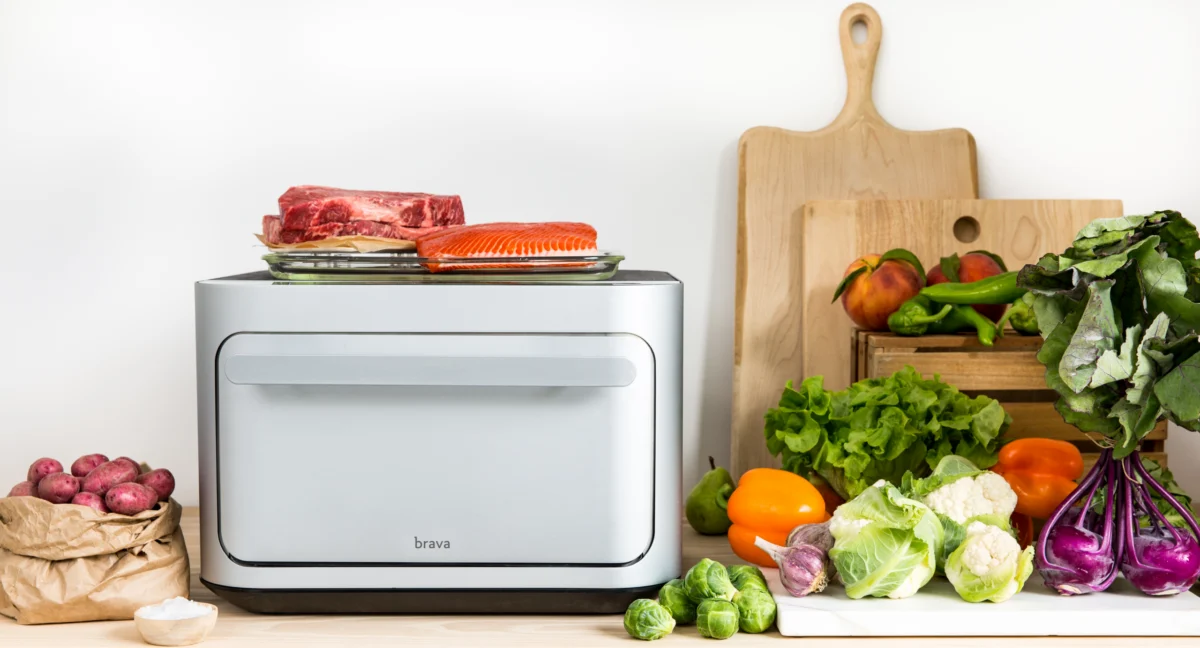

Brava, the innovative smart oven company renowned for its unique approach to cooking with pure light technology, has announced it will be shutting down, marking another significant departure from the increasingly competitive smart kitchen appliance market. The company officially ceased operations on March 6, 2024, leaving its dedicated user base to grapple with the implications for their beloved countertop ovens. This closure follows a period of strategic shifts within its parent company and highlights the ongoing challenges faced by hardware-focused smart home startups.
A Luminary in Culinary Technology Extinguished
In a somber announcement disseminated across its social media platforms, including LinkedIn and Facebook, Brava informed its customers that its services would be discontinued. The company stated that it would no longer offer new ovens for sale, and crucially, that no further recipes, software updates, or accessibility enhancements would be provided. This effectively signals the end of new development for the Brava ecosystem.
While the Brava Cloud service and its extensive online recipe library are currently still accessible, the company cautioned that these resources might face limitations or eventual discontinuation at any time. Furthermore, customer support, repair services, and the availability of replacement parts are being offered only for a limited duration, contingent on the remaining availability of resources. This finite window for support has understandably fueled anxiety among Brava owners who have come to rely on the appliance for their daily culinary needs.
A Shifting Corporate Landscape Precedes Closure
The shutdown of Brava comes in the wake of significant corporate restructuring within its ownership. Middleby, the parent company that had acquired Brava, recently divested a majority stake in its residential kitchen unit to the private equity firm 26North. This transaction, finalized in early February 2024, led to the rebranding of the residential business as "Composition Brands."
While it remains officially unclear whether Brava was specifically included in this majority stake sale and subsequently transferred to 26North/Composition Brands, information from a former Brava employee has confirmed that the majority ownership of Brava was indeed transferred to the new entity. This complex ownership change likely played a pivotal role in the ultimate decision to cease Brava’s operations. The strategic direction and financial priorities of a new majority owner can often lead to the re-evaluation and eventual discontinuation of specific product lines or entire brands, particularly those that may not align with the broader portfolio’s growth objectives.
User Disappointment and Concerns Over Appliance Longevity
The news has been met with widespread dismay from Brava’s user community. Many owners, some of whom have been utilizing their Brava ovens daily since their initial purchase as far back as 2019, expressed profound disappointment. The prospect of their sophisticated countertop ovens becoming obsolete due to the cessation of cloud services or the unavailability of parts is a significant concern.
On Brava’s Facebook page, one particularly poignant comment captured the sentiment of many: "They’re going to potentially discontinue the cloud, which would make it into a very expensive paperweight?!" This fear highlights a common vulnerability in smart home devices: their reliance on ongoing cloud infrastructure and software support for full functionality. Without these elements, even a physically functional appliance can become rendered useless, turning a significant investment into little more than a decorative item.
The immediate aftermath of the announcement has seen owners scrambling to understand the long-term viability of their Brava ovens. Questions about data privacy, the secure deletion of personal information from connected devices, and the potential for a "bricking" of the appliance are likely to become more prominent as the operational window narrows.

A Shrinking Field of Smart Oven Innovators
Brava’s departure underscores a broader trend in the smart kitchen appliance sector: a challenging environment for hardware-centric startups. Over the past decade, numerous companies have entered the market with innovative ideas for smart ovens, promising enhanced convenience, precision cooking, and seamless integration into connected homes. However, the high cost of hardware development, coupled with the ongoing expense of software maintenance and evolving consumer expectations, has proven to be a formidable barrier to sustained success for many.
Brava’s distinctive approach, utilizing pure light technology (a combination of halogen lamps, intensified by Brava’s proprietary optics) to cook food rapidly and precisely, set it apart from many competitors. This method promised faster cooking times, superior browning, and the ability to cook multiple items at different temperatures simultaneously. The company’s extensive library of pre-programmed recipes, often featuring celebrity chefs and influential food bloggers, further aimed to simplify the cooking process for users.
The current landscape for smart ovens sees a more consolidated set of players. Anova, now a division of Electrolux, has found a niche with its steam-enabled precision ovens. Companies like Tovala and Suvie have carved out a different model, deriving a substantial portion of their revenue from integrated food delivery services, effectively bundling appliance use with meal kits. Other established brands such as Breville and Chef IQ offer smart ovens with app connectivity, providing remote control and recipe integration, but they have not fundamentally reinvented the core cooking methodology in the way Brava attempted.
The departure of Brava leaves a void in the market for consumers specifically seeking light-based cooking solutions. The technological barriers to entry for developing and manufacturing such sophisticated appliances are considerable, making it difficult for new entrants to replicate Brava’s core innovation.
Glimmers of Light: The Future of Light-Based Cooking?
Despite Brava’s closure, the concept of light-based cooking is not entirely disappearing from the smart oven market. Tom Klaff, CEO of Revolution Cooking, shared insights last week regarding the "Macrowave," a smart oven that utilizes infrared light for cooking. This appliance is slated to begin shipping in November, offering a potential alternative for consumers interested in the speed and efficiency associated with light-based heating technologies.
The Macrowave, as described by Revolution Cooking, aims to combine the speed of a microwave with the browning and crisping capabilities typically associated with conventional ovens. Its use of infrared light, a different spectrum than Brava’s halogen-based approach, suggests a potentially distinct cooking experience and performance profile. The success of such a venture will depend on its ability to capture consumer interest, deliver on its performance promises, and crucially, establish a sustainable business model that can weather the challenges of the smart kitchen appliance industry.
The Broader Implications for Smart Kitchen Technology
The closure of Brava serves as a cautionary tale for the smart kitchen appliance sector. It highlights the inherent risks associated with hardware-centric businesses that rely heavily on proprietary technology and ongoing cloud infrastructure. For consumers, it underscores the importance of thorough due diligence before investing in smart appliances, including researching the financial stability of the company, the long-term support commitments, and the potential for offline functionality.
The industry may continue to see a bifurcation: on one hand, companies like Tovala and Suvie that integrate hardware with recurring revenue services (like food delivery), and on the other, established appliance manufacturers that leverage smart features as enhancements to their core product lines, rather than as the primary innovation. Startups attempting to disrupt the market with fundamentally new cooking technologies will need to demonstrate not only technological prowess but also robust business strategies that account for the complexities of hardware production, software development, and sustained customer support in a rapidly evolving consumer electronics landscape. The story of Brava is a stark reminder that innovation, while commendable, must be coupled with a viable and enduring business model to truly leave a lasting mark.