
The Return of Khymos: A Legacy Reaffirmed
The Khymos blog, known for its rigorous and insightful exploration of food science since its inception, last published a major book recommendation list in 2013. The eight-year gap since then has seen a burgeoning interest in molecular gastronomy and the scientific approach to cooking, a field that Khymos has been instrumental in popularizing. The blog’s proprietor, a recognized authority in the domain, explained that an "extended break from blogging" accounted for the dormancy in recommendations. This renewed effort is therefore particularly welcomed by a community that has long valued Khymos’s discerning eye for publications that offer a "certain scientific touch" to culinary arts. The 2020 selection reflects a careful consideration of books that not only provide recipes but also integrate scientific explanations in an accessible manner, a hallmark of the Khymos philosophy.
The Resurgence of Culinary Science Literature
The period between 2013 and 2020 witnessed a significant expansion in the publication of books dedicated to the science of food. What began as a niche interest, largely influenced by pioneers like Harold McGee and the rise of molecular gastronomy, has matured into a mainstream genre. Publishers have responded to a growing consumer demand for deeper understanding beyond mere recipes, seeking to comprehend why certain cooking techniques work and how ingredients interact at a molecular level. This trend is driven by home cooks eager to elevate their skills, professional chefs seeking innovative approaches, and educators aiming to impart a scientific foundation to culinary students. The books highlighted by Khymos are indicative of this broader movement, demonstrating how complex scientific concepts are being translated into engaging and practical formats for a wide readership.
Spotlight on 2020’s Groundbreaking Publications
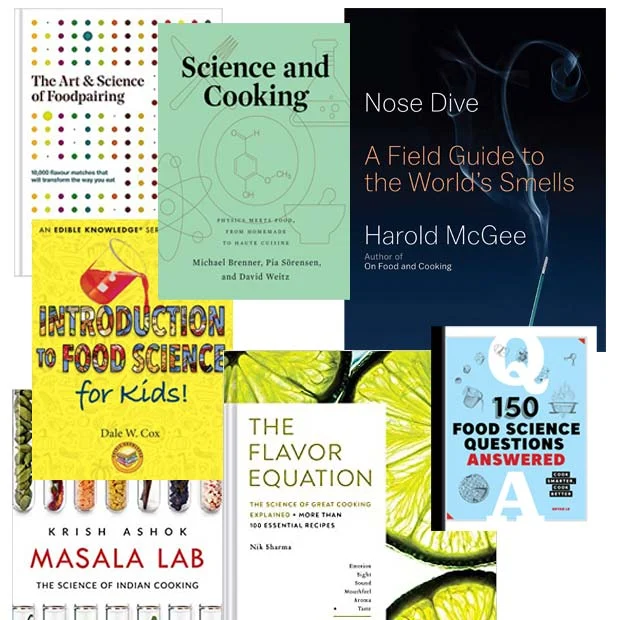
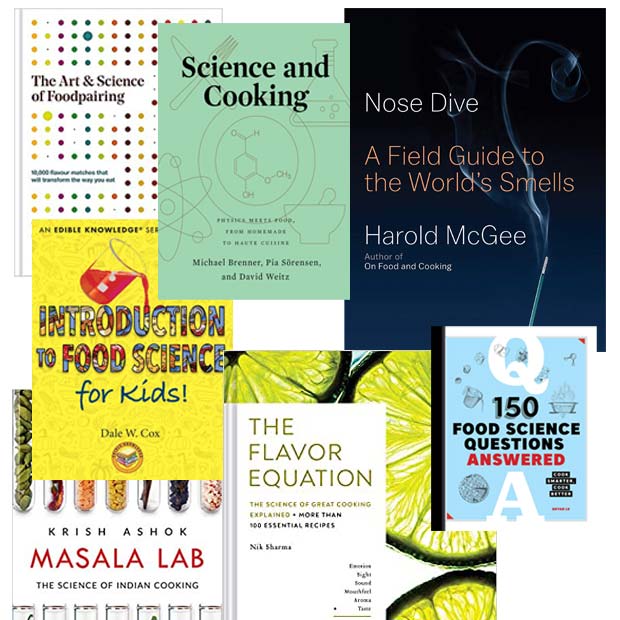
The core of Khymos’s recent update lies in its detailed recommendations for books released in 2020. This curated list underscores the breadth and depth of contemporary food science literature.
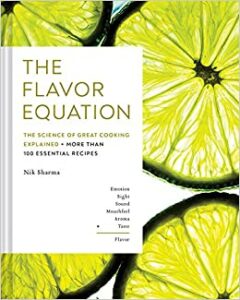
Nik Sharma’s "The Flavor Equation"
Nik Sharma’s "The Flavor Equation" (352 pages, 2020) stands out for its innovative approach to integrating science directly into the cooking process. The book, featuring approximately 100 recipes, distinguishes itself by embedding "The Flavor Approach" — concise scientific insights — within each recipe. This methodology demystifies complex flavor interactions, allowing cooks to understand the scientific rationale behind ingredient combinations and cooking methods. The book’s dedication of one-third of its content to exploring flavor from multiple perspectives, coupled with its highly accessible scientific explanations and the practical inclusion of metric units, has earned it a strong recommendation. Sharma’s work represents a significant step forward in making scientific principles an intuitive part of the culinary journey, moving beyond theoretical discussion to direct application.
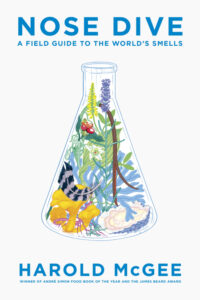
Harold McGee’s "Nose Dive: A Field Guide to the World’s Smells"
Harold McGee, a towering figure in food science literature and author of the seminal "On Food and Cooking: The Science and Lore of the Kitchen," released "Nose Dive: A Field Guide to the World’s Smells" (688 pages, 2020). This extensive volume deviates from a purely food-centric focus to explore the vast universe of smells, encompassing not only culinary aromas but also scents from various environments. Despite discussing complex volatile molecules, McGee’s renowned ability to render scientific information engaging and digestible ensures that the book remains approachable for a broad audience. Its comprehensive scope positions it as an essential read for anyone interested in sensory perception, offering profound insights into how smell shapes our experience of the world, including food. The book’s different covers in the UK and US editions also add a minor note of interest for collectors.
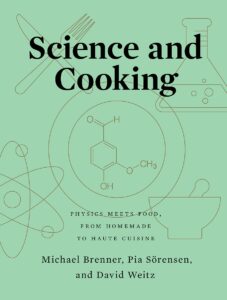
Harvard’s "Science and Cooking: Physics Meets Food, From Homemade to Haute Cuisine"
Authored by Michael Brenner, Pia Sørensen, and David Weitz, "Science and Cooking: Physics Meets Food, From Homemade to Haute Cuisine" (320 pages, 2020) emerges from the highly acclaimed "Science and Cooking" course at Harvard University, which began a decade prior to the book’s publication. The course, known for its engaging lectures featuring notable chefs, scientists, and authors, has many of its sessions publicly available on YouTube. The book effectively translates the interdisciplinary nature of the course, with authors bringing expertise from applied mathematics, chemistry, and physics, into a coherent narrative that seamlessly integrates scientific concepts with practical recipes. The inclusion of metric units further enhances its utility, making it a valuable resource for both academic study and culinary exploration.
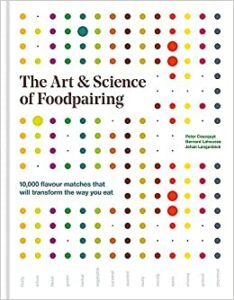
"The Art and Science of Foodpairing"
"The Art and Science of Foodpairing" (388 pages, 2020) by Peter Coucquyt, Bernard Lahousse, and Johan Langenbick delves into the intriguing, sometimes controversial, concept of flavor pairing. The authors are affiliated with the Foodpairing company, which has significantly advanced the application of this concept. Khymos’s long-standing interest in this area is evidenced by past interviews with Bernard Lahousse and reports from "The Flemish Primitives" conferences. While the scientific rigor of food pairing has faced scrutiny, the book positions it as a blend of scientific exploration and culinary artistry. It offers a wealth of inspiration for chefs and home cooks seeking novel flavor combinations, demonstrating how analytical data can spark creative innovation in the kitchen.
Krish Ashok’s "Masala Lab"
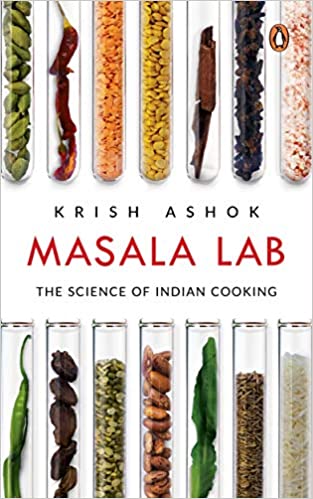
A particularly exciting addition to the food science canon is Krish Ashok’s "Masala Lab" (280 pages, 2020). This book is celebrated for applying scientific principles to regional cuisines, specifically Indian cooking. Ashok, an electronic/software engineer, brings a unique analytical perspective to traditional culinary practices, aiming to demystify and optimize them through science. The book’s significance lies in its contribution to diversifying the scope of food science literature, moving beyond predominantly Western culinary traditions. Despite its initial limited availability, primarily through Amazon India, "Masala Lab" is highly anticipated by global enthusiasts eager to explore the scientific underpinnings of diverse gastronomic cultures.
Bryan Le’s "150 Food Science Questions Answered: Cook Smarter, Cook Better"
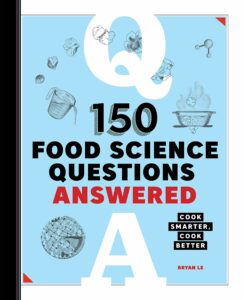
Bryan Le’s "150 Food Science Questions Answered: Cook Smarter, Cook Better" (198 pages, 2020) offers an accessible entry point into food science. Structured in a Q&A format, it covers fundamental topics such as cooking basics, flavor principles, ingredient categories, and essential food safety and storage guidelines. This book is recommended for individuals new to integrating a scientific mindset into their cooking. Its practical, reference-guide nature allows readers to quickly look up specific queries or browse for intriguing insights, making it a valuable companion for anyone seeking to enhance their culinary knowledge and skills through scientific understanding.
Dale W Cox’s "Introduction to Food Science for Kids!: A Kitchen-Based Workbook"
"Introduction to Food Science for Kids!: A Kitchen-Based Workbook" (112 pages, 2020) by Dale W Cox addresses a crucial demographic: young learners. The book leverages the kitchen as an ideal environment to introduce children to fundamental chemical and physical concepts through hands-on activities. This initiative is vital for fostering early interest in STEM fields by making scientific exploration tangible and engaging. By presenting complex ideas in a simplified, interactive format, Cox’s workbook encourages curiosity and critical thinking from a young age, positioning cooking as a gateway to scientific discovery.
Reflecting on 2014-2019: A Curated Legacy
While the primary focus of the Khymos update is on 2020 publications, the blog also acknowledged a list of "favorites" from the intervening years, 2014-2019. Although not fully detailed in the current posting, this brief mention underscores a continuous, albeit unpublicized, engagement with the evolving body of food science literature. The implicit presence of these earlier recommendations highlights the consistent growth and diversification of the genre during the blogger’s hiatus, indicating a wealth of knowledge accumulated over nearly a decade that continues to inform the blog’s perspective.
The Broader Impact: Cultivating Culinary Curiosity
The re-emergence of Khymos’s book recommendations, particularly with its strong emphasis on 2020 titles, arrives at a time when the public’s engagement with food science is at an all-time high. The implications of such curated lists extend beyond mere reading suggestions:
- Democratization of Knowledge: These books make complex scientific concepts accessible to a wider audience, moving them out of academic labs and into home kitchens.
- Enhanced Culinary Skills: By understanding the "why" behind cooking processes, cooks can become more intuitive, innovative, and consistent in their results.
- Educational Foundation: The integration of science into cooking literature provides valuable resources for culinary schools and informal learning, enriching curricula and encouraging a deeper understanding of food.
- Cultural Appreciation: Books like "Masala Lab" highlight the universal applicability of scientific principles while celebrating the unique nuances of diverse culinary traditions, fostering cross-cultural understanding.
- Consumer Awareness: A scientifically informed public is better equipped to make educated choices about food safety, nutrition, and sustainability.
Expert Perspectives and Future Horizons
While no direct statements from the authors or publishers were provided in the original blog post, the general sentiment within the food science community suggests widespread enthusiasm for these types of publications. Experts often commend efforts to translate academic research into practical, engaging formats for the general public. The sustained demand for books that blend science with cooking indicates a robust market that continues to grow.
From the perspective of Khymos, the return to publishing recommendations signifies a renewed commitment to its mission of exploring the scientific dimensions of food. The quality and diversity of the 2020 selections suggest that the field of food science literature is thriving, offering an ever-expanding array of resources for curious minds. The blog’s proprietor likely remains dedicated to identifying works that not only inform but also inspire, encouraging readers to approach cooking with a blend of scientific inquiry and creative passion.
The trend towards integrating scientific principles into everyday cooking and culinary innovation shows no signs of abating. As more authors, scientists, and chefs collaborate, the future of food science literature promises even greater depth, accessibility, and cultural breadth, continuing to enrich the intellectual and gastronomic experiences of enthusiasts worldwide.
Conclusion: A Rich Harvest for the Intellectually Curious Cook
The Khymos blog’s re-entry into the realm of book recommendations marks a significant event for the food science community. The carefully curated list of 2020 publications, ranging from comprehensive guides on flavor and smell to specialized explorations of regional cuisines and children’s educational workbooks, reflects the vibrant and expanding landscape of culinary science literature. These titles collectively underscore a growing appetite for understanding the scientific principles that govern our food, transforming cooking from an art into an informed practice. For home cooks, professional chefs, and educators alike, this new harvest of books provides invaluable resources, fostering deeper knowledge, greater creativity, and a more profound appreciation for the intricate world of food. The enduring legacy of Khymos, now re-energized, continues to illuminate the fascinating intersection where science meets the plate.