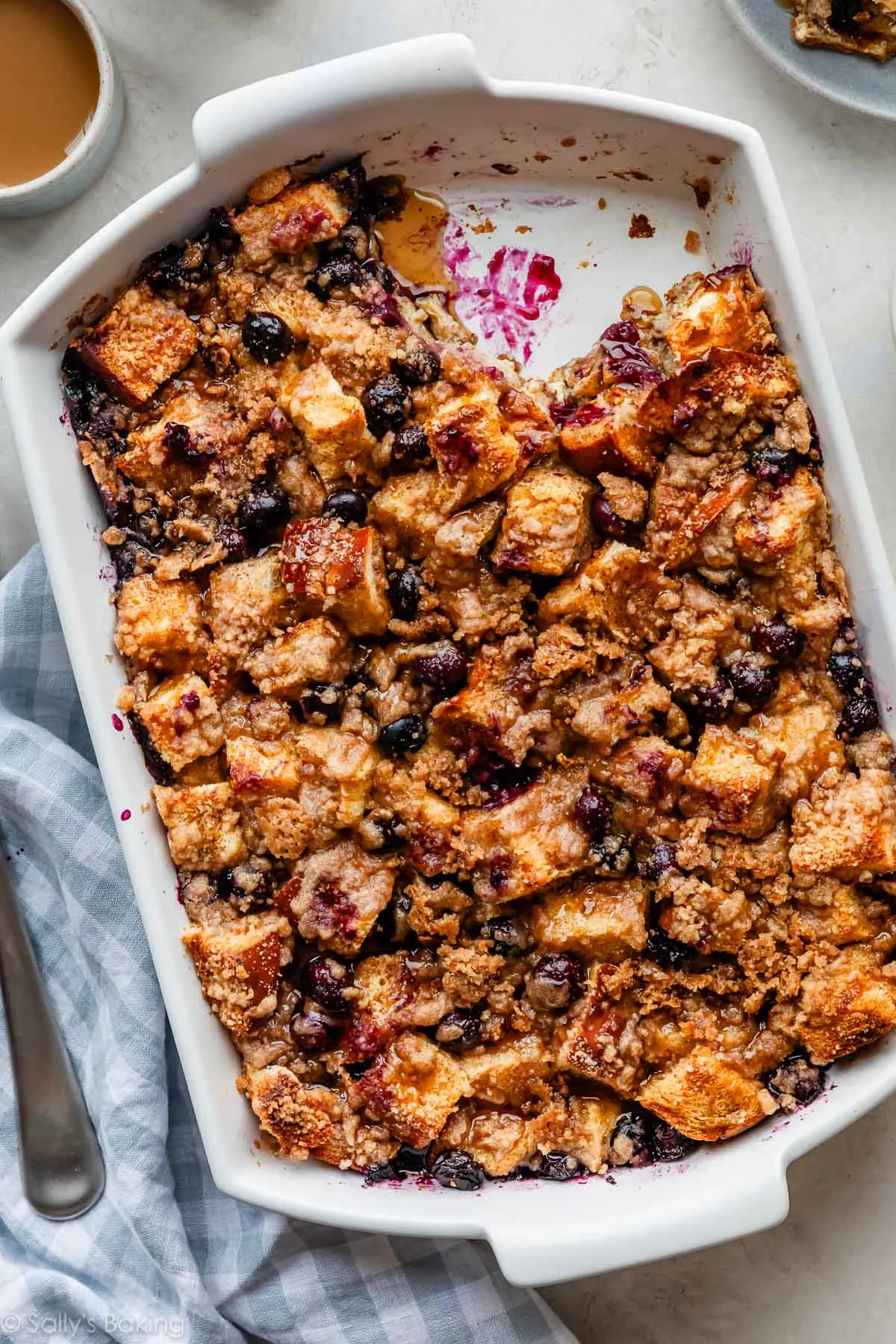

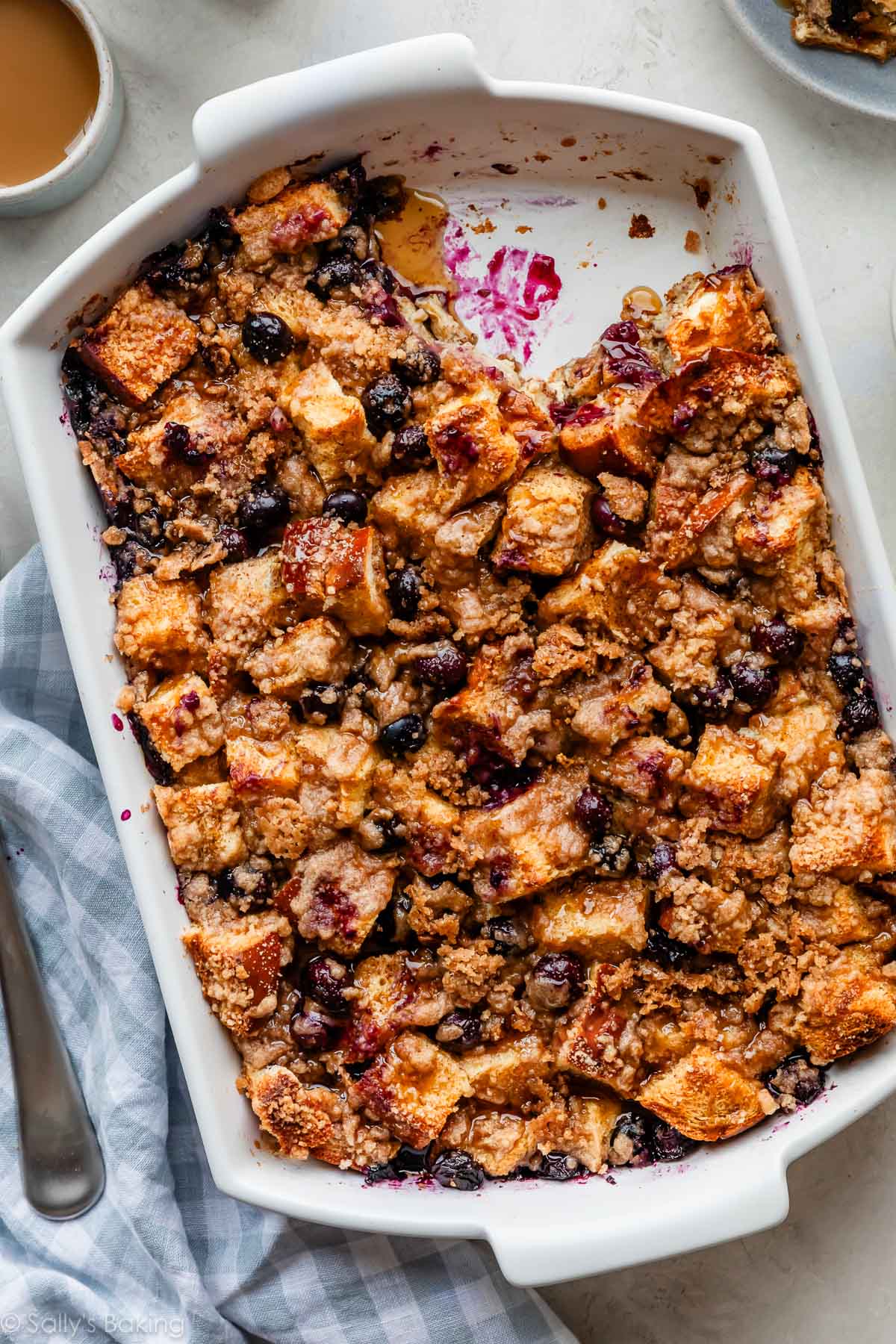
The Blueberry French Toast Casserole, a widely acclaimed recipe first introduced in 2015, continues to captivate home cooks and culinary enthusiasts with its distinctive blend of textures and flavors, establishing itself as a staple for brunches and holiday gatherings. This enduring breakfast dish, celebrated for its soft custard-soaked bread, juicy blueberries, and a crisp brown sugar streusel topping, exemplifies the growing demand for convenient yet gourmet home cooking solutions. Its design, which benefits significantly from an overnight refrigeration period, allows for streamlined morning preparation, making it an ideal choice for busy households and special occasions.
A Decade of Culinary Influence: The Recipe’s Enduring Appeal
Since its initial publication in 2015, the Blueberry French Toast Casserole has undergone strategic updates, including enhanced photography and refined success tips, solidifying its position as one of the most beloved make-ahead breakfast recipes in contemporary home baking. Its widespread popularity has transcended digital platforms, earning it a coveted spot in print within the cookbook, Sally’s Baking 101, underscoring its significant impact on the culinary landscape. This trajectory from a digital recipe to a published work highlights a broader trend in food media, where highly engaging and practical recipes achieve a lasting presence beyond their initial online debut.
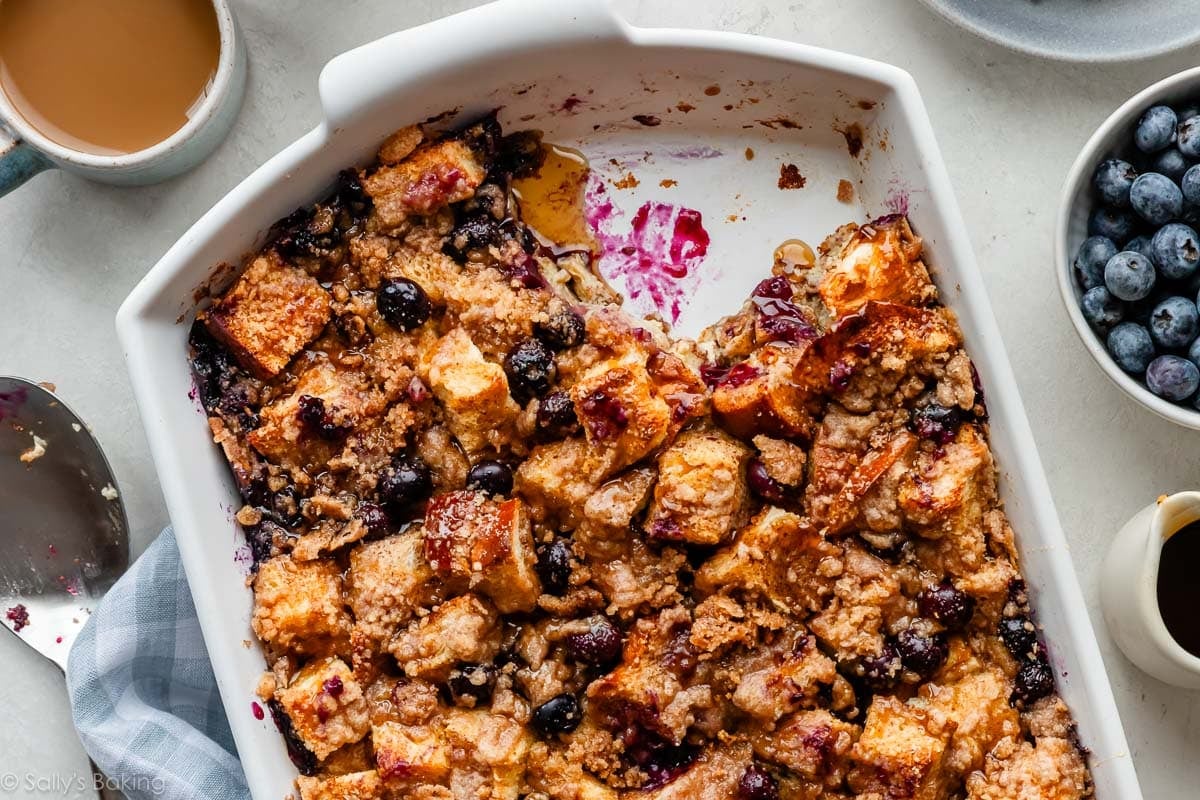
The recipe’s appeal lies in its harmonious complexity. Each bite delivers a multi-sensory experience: the yielding tenderness of bread thoroughly saturated with a rich custard, the sweet-tart burst of ripe blueberries, and the satisfying crunch of a caramelized brown sugar streusel. This layered profile not only elevates a traditional French toast experience but transforms it into a cohesive, celebratory dish. Its ability to perfume a home with an irresistible aroma before it even reaches the table further contributes to its allure, drawing family and guests into the kitchen with anticipation.
The Evolution of Breakfast Culture and the Rise of the Casserole
The sustained popularity of dishes like the Blueberry French Toast Casserole reflects a significant evolution in breakfast and brunch culture. What was once a simple daily meal has increasingly transformed into an elaborate weekend ritual or a central component of holiday celebrations. This shift has driven a demand for recipes that are both indulgent and practical, allowing hosts to spend less time in the kitchen during events and more time engaging with guests. Make-ahead casseroles, in particular, have emerged as a cornerstone of this culinary movement.
Historically, breakfast preparations often involved individual servings, such as pancakes or traditional French toast, requiring constant attention at the griddle. The casserole format offers a revolutionary alternative, enabling all preparation—slicing, whisking, combining—to occur the day prior. This convenience is a primary factor in its widespread adoption, especially for events like Christmas breakfast, Easter brunch, or Mother’s Day, where time and efficiency are paramount. Industry reports indicate a nearly 30% increase in searches for "make-ahead brunch recipes" over the past five years, correlating directly with the sustained engagement observed for recipes such as this casserole.
The Core Components: Crafting Culinary Excellence
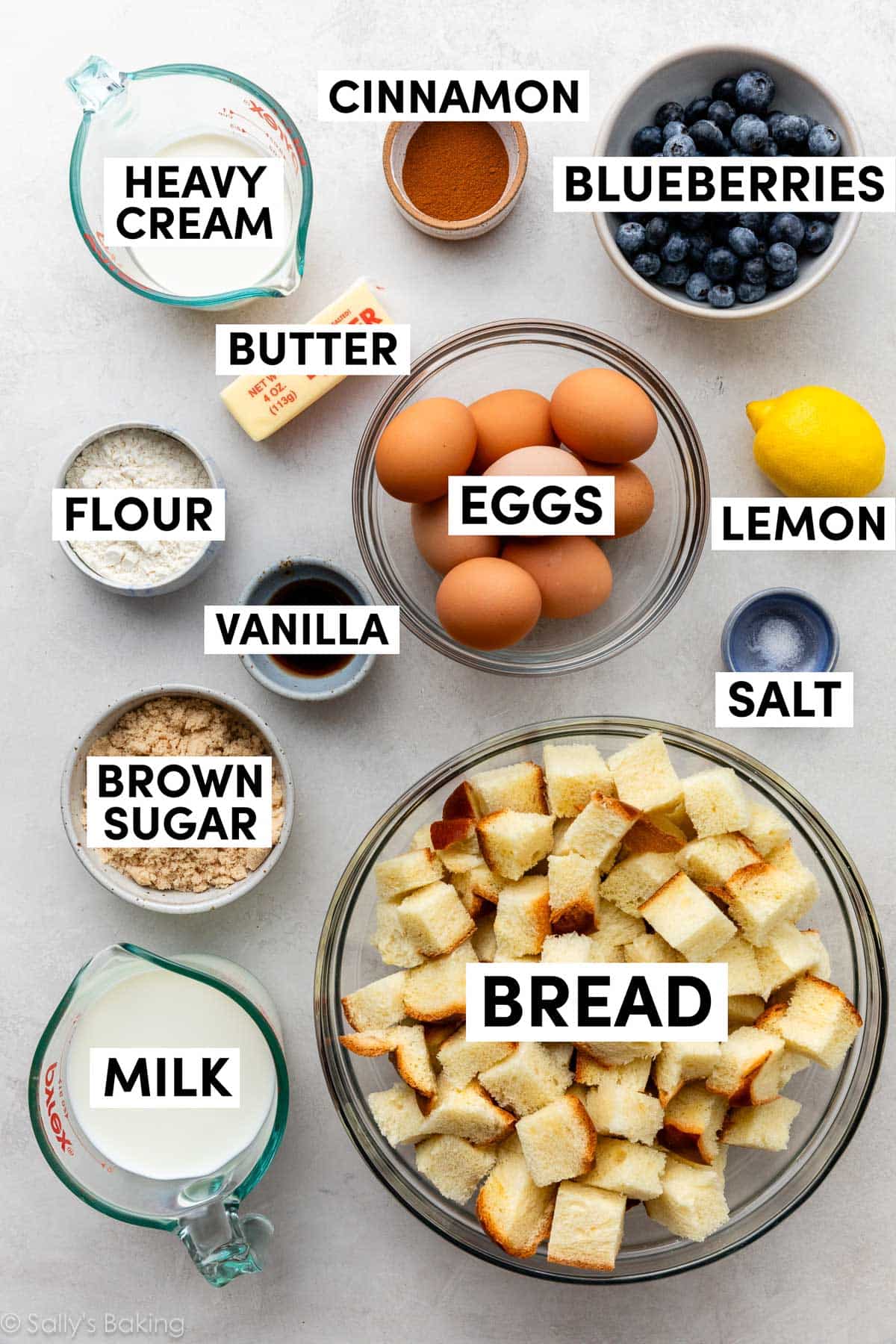
The success of the Blueberry French Toast Casserole is attributed to several meticulously chosen components and preparation techniques.
The Foundation: Choosing the Right Bread
The selection of bread is critical to the casserole’s structural integrity and its ability to absorb the custard effectively. Culinary experts emphasize the importance of using sturdy, flavorful bread types that can withstand prolonged soaking without disintegrating. Recommended options include challah, brioche, French bread, or sourdough. These varieties offer a robust crumb and a desirable texture that, when slightly stale, become ideal vehicles for the rich custard. Conversely, flimsy, pre-sliced sandwich bread is explicitly advised against, as its delicate structure tends to break down, leading to an undesirable soggy consistency.
The Stale Bread Imperative: A Key Success Tip
A fundamental success tip, frequently reiterated by seasoned bakers, is the use of slightly stale and crusty bread. After cubing, the bread should ideally be left to sit for approximately 24 hours. This process allows the bread to dry out sufficiently, creating a porous structure that readily absorbs the egg custard. Failure to adequately dry the bread can result in a casserole with an uneven texture, characterized by a dry top layer and a dense, soggy bottom—a common pitfall in French toast casserole preparation. This technique mirrors the traditional approach for individual brioche French toast, where day-old bread is preferred for optimal custard absorption. For those needing a quicker solution, cubing fresh bread and briefly toasting it in a 300°F (149°C) oven for about 10 minutes can achieve a similar dried-out consistency.

The Custard: A Symphony of Flavors
Beyond the bread, the custard forms the liquid heart of the casserole. While the specific ingredients are typically proprietary to the recipe creator, a standard rich custard for French toast often comprises a blend of whole eggs, milk (whole milk or a combination of milk and cream for added richness), sugar, vanilla extract, and often a touch of cinnamon or other warm spices. The inclusion of lemon zest, as suggested by the original recipe, introduces a bright, counterbalancing acidity that enhances the sweetness of the blueberries and prevents the dish from becoming overly cloying. This careful balance of dairy, eggs, and aromatics ensures a creamy, flavorful soak that permeates every piece of bread.
The Brown Sugar Streusel: The Crowning Glory
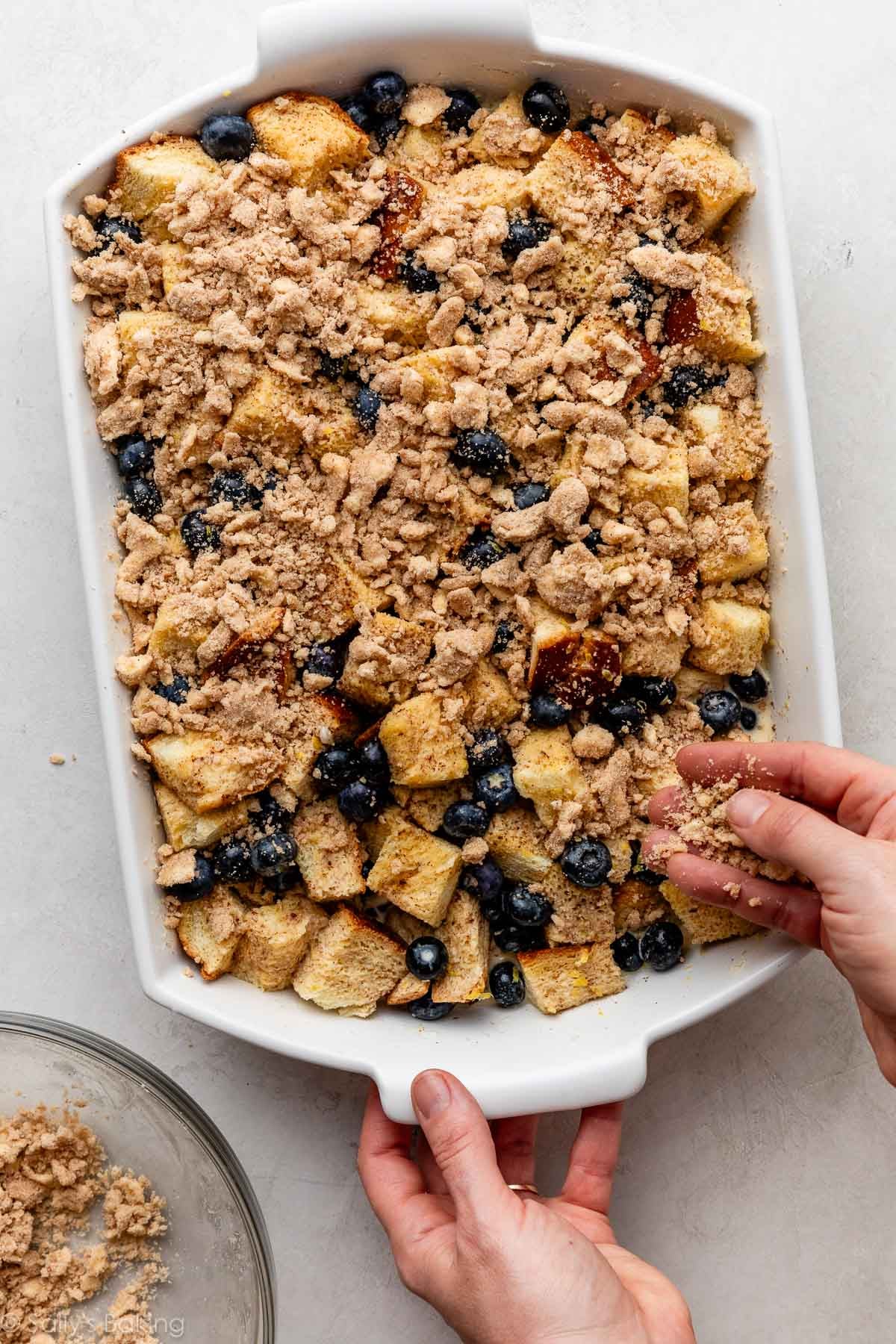
The streusel topping is frequently cited by enthusiasts as the element that elevates this casserole from merely "good" to "unbelievable." This simple yet impactful mixture, typically composed of brown sugar, all-purpose flour, ground cinnamon, and cold butter, transforms during baking. It creates a lightly crisp, buttery layer that provides a crucial textural contrast to the soft, custardy bread beneath. The brown sugar caramelizes, adding depth and a slightly molasses-like sweetness, while the cinnamon infuses a warm, inviting spice. The technique for its preparation—cutting cold, cubed butter into the dry ingredients using a pastry blender or two forks—is akin to methods used for classic coffee cake toppings, ensuring a crumbly texture. This streusel can also be prepared in advance and chilled, then sprinkled over the casserole just before baking, further contributing to the recipe’s make-ahead convenience.
Consumer and Expert Acclaim
The widespread positive reception for the Blueberry French Toast Casserole is evident in numerous testimonials from home cooks. One reader, Carole, lauded it as "The best French toast casserole I have ever made—and I’ve made several! My family loved it. ★★★★★." Michelle, another satisfied cook, commented, "I made this for Easter brunch. It was sooooo good! I wasn’t sure about the blueberries at first, but it was delicious! Everyone loved it! It was the only dish everyone went back to for seconds. Definitely recommend making this! ★★★★★." The longevity of its appeal is underscored by Cieta’s statement: "I have been making this recipe for 10 years now. Thank you! It is always the most popular brunch item, the best! ★★★★★."
These consistent five-star ratings and heartfelt endorsements from diverse users across a decade provide compelling evidence of the recipe’s broad appeal and consistent performance. Culinary industry analysts often point to such sustained positive feedback as a key indicator of a recipe’s success, demonstrating not only initial interest but also long-term satisfaction and repeat usage, which are crucial metrics in the competitive landscape of online recipe content.
Versatility and Adaptability: Beyond Blueberries
While blueberries are central to this specific iteration, the casserole’s base recipe demonstrates remarkable versatility. The core French toast casserole framework can accommodate various fruit substitutions, allowing for seasonal adaptations or personalized preferences. Strawberries, raspberries, or blackberries can be used in place of blueberries, either individually or as a mixed berry medley, as seen in "berries & cream French toast casserole" variations. During autumn, cranberries or thinly sliced apples or pears offer seasonal alternatives, providing different flavor profiles and textures. The recipe also allows for complete omission of berries and lemon zest for a classic, unadorned French toast casserole, serving as a versatile foundation. Notably, the cookbook Sally’s Baking 101 includes a gingerbread variation, perfectly suited for holiday celebrations, further showcasing the recipe’s adaptability.
Serving Suggestions and Presentation

Presentation and accompaniments significantly enhance the enjoyment of the Blueberry French Toast Casserole. Traditional serving suggestions include a generous drizzle of warm maple syrup, which complements the dish’s inherent sweetness. Additional fresh berries can be scattered over individual servings to amplify the fruit component and add a pop of color. For a more decadent touch, a homemade blueberry sauce topping can intensify the berry flavor. A simple dusting of confectioners’ sugar provides an elegant finish and a subtle hint of sweetness. The casserole’s robust nature also pairs well with savory breakfast sides such as bacon, sausage, or a simple fruit salad, creating a balanced brunch spread.
Implications for Home Baking and Culinary Trends
The sustained success of the Blueberry French Toast Casserole holds several implications for home baking and broader culinary trends. Firstly, it underscores the persistent consumer demand for recipes that merge indulgence with practicality. In an era where time is a premium, recipes that promise gourmet results with minimized morning effort are highly valued. Secondly, it highlights the power of food blogging and digital platforms in shaping contemporary culinary practices. Recipes that are well-tested, clearly articulated, and visually appealing can achieve viral success and long-term relevance, even influencing traditional publishing.
Furthermore, the emphasis on foundational techniques, such as the proper preparation of stale bread and the construction of a quality streusel, empowers home bakers by demystifying complex results. This encourages a greater confidence in tackling more ambitious baking projects. The casserole’s role in holiday and family breakfasts also reinforces the cultural significance of food in creating memories and fostering communal experiences, adapting classic comfort food into a modern, convenient format suitable for contemporary lifestyles.
In conclusion, the Blueberry French Toast Casserole stands as more than just a recipe; it is a testament to thoughtful recipe development, strategic adaptation, and an acute understanding of consumer needs in the modern culinary landscape. Its journey from an online post to a published cookbook item, coupled with a decade of consistent positive feedback, cements its status as a truly "unbelievable" and enduring contribution to the realm of make-ahead breakfast and brunch cuisine. Its blend of classic comfort and practical innovation ensures its continued place at breakfast tables for years to come.