
The culinary world and public health discourse are currently embroiled in a fervent debate surrounding vegetable and seed oils. From trending TikTok videos demonizing them as "toxic sludge" to a surge in anti-seed oil rhetoric permeating bestseller lists and social media feeds, these ubiquitous cooking ingredients have become a flashpoint for nutritional controversy. Terms like "motor oil," "the hateful eight," and "the biggest cause of chronic disease that nobody knows about" are frequently used by critics, particularly those advocating for diets such as the carnivore diet, which has significantly amplified this narrative.
This intense scrutiny is not entirely new; the merits of vegetable oils have been debated since their initial introduction to the marketplace. However, the current iteration of this controversy is uniquely amplified by digital platforms, making it challenging for consumers to distinguish scientific evidence from sensationalized claims. On one side, proponents argue that animal fats, consumed for millennia, are inherently superior, while vegetable oils are recent, profit-driven inventions designed to sell cheap-to-grow crops. They often point to historical parallels with margarine, initially marketed as a healthier alternative to butter, only to be later implicated in health issues due to trans fat content. Critics claim modern vegetable oils are equally, if not more, detrimental, linking them to an array of conditions including obesity, anxiety, depression, and ulcerative colitis. Conversely, many nutrition experts and major health organizations assert that certain vegetable oils are harmless, potentially health-promoting, and often a better choice than butter, especially when considering their impact on cardiovascular health. The divergence in these viewpoints highlights a fundamental question: who is right, and what does the scientific consensus truly suggest?
A Brief History of Fats: From Ancient Staples to Industrial Innovations
To understand the current debate, it’s crucial to trace the historical journey of dietary fats. For most of human history, animal fats (from meat, dairy, and fish) and naturally occurring plant fats (like those from olives, coconuts, and avocados) formed the bedrock of human diets. These fats were obtained through relatively simple mechanical processes or direct consumption.
The 19th and early 20th centuries marked a significant shift with the advent of industrial food processing. The discovery of hydrogenation, a chemical process that could solidify liquid vegetable oils, led to the creation of products like Crisco in 1911 and solidified margarine. These products were initially hailed as revolutionary, offering cheaper, shelf-stable alternatives to traditional animal fats. The widespread adoption of these new fats coincided with a growing public health focus on heart disease. By the mid-20th century, dietary guidelines began to recommend reducing saturated fat intake, often leading to the increased consumption of vegetable oils, which were lower in saturated fat and higher in polyunsaturated fats. This period saw a significant marketing push portraying vegetable oils as the healthier choice, often at the expense of butter and other animal fats.
However, the scientific understanding of fats continued to evolve. By the late 20th century, the health risks associated with trans fats, a byproduct of partial hydrogenation, became increasingly clear. Research linked trans fat consumption to elevated LDL ("bad") cholesterol and increased risk of heart disease. This led to a major public health campaign and, eventually, regulatory actions. In 2018, the U.S. Food and Drug Administration (FDA) officially banned manufacturers from adding partially hydrogenated oils (the primary source of artificial trans fats) to processed foods, a landmark decision that underscored the complex and sometimes unforeseen consequences of food processing. This historical context forms a critical backdrop to the contemporary "seed oil" debate, with critics often drawing parallels between the initial promotion of trans-fat-laden margarine and the current widespread use of refined vegetable oils.
Defining the Oils: Seed vs. Fruit and Their Processing Journeys
The term "vegetable oil" is broad and often used interchangeably with "seed oil," though there are important distinctions. True seed oils, derived from the seeds of plants, include popular varieties such as:
- Canola oil (from rapeseed)
- Soybean oil
- Corn oil
- Sunflower oil
- Safflower oil
- Grapeseed oil
- Rice bran oil
- Cottonseed oil
It is important to note that many widely used "vegetable" oils, such as olive oil, avocado oil, palm oil, and coconut oil, are technically derived from the fruit of their respective plants, not the seeds. These fruit-derived oils often have distinct fatty acid profiles and processing methods compared to seed oils.
The processing of vegetable and seed oils is a core component of the current controversy. Unlike fruit oils such as extra virgin olive oil or avocado oil, which are extracted from naturally fatty fruits through relatively simple mechanical pressing, most seed oils come from crops with a comparatively low fat content. For instance, a cup of green olives contains approximately 20 grams of fat, whereas a cup of corn yields only about 2 grams. This low natural fat content necessitates an intensive, multi-step industrial process to efficiently extract the oil. This process typically involves:
- Cleaning and Grinding: Seeds are cleaned and then ground into a meal.
- Pre-pressing (Optional): For some oilseeds, mechanical pressing is used to extract a portion of the oil.
- Solvent Extraction: The remaining oil is extracted using chemical solvents, most commonly hexane. This step is highly efficient but introduces the solvent into the crude oil.
- Refining: The crude oil undergoes refining to remove impurities, free fatty acids, and phospholipids. This step often involves treatment with phosphoric acid and caustic soda.
- Bleaching: The oil is treated with bleaching clays to remove pigments and other undesirable compounds, improving its color and odor.
- Deodorizing: The oil is heated under vacuum at high temperatures to remove volatile compounds responsible for strong flavors and odors. This step ensures a neutral taste and smell, making the oil versatile for various food applications.
This extensive processing, particularly solvent extraction and high-heat deodorization, has significant implications for the oil’s nutritional profile. Crucially, health-promoting compounds like polyphenols, phytosterols, and natural antioxidants are largely stripped away. Furthermore, during high-temperature processing steps, small amounts of unsaturated fatty acids can undergo isomerization, transforming into trans fatty acids. While the industry has made efforts to minimize trans fat formation since the FDA ban on added trans fats, some can still form during processing, particularly with repeated heating, as seen in commercial deep fryers. Critics often argue that this loss of protective nutrients and the formation of novel compounds render these oils "empty calories" or even harmful, a claim that warrants a deeper look into the science.

The Science Behind the Claims: Fatty Acids, Oxidation, and Inflammation
Understanding the scientific arguments for and against vegetable oils requires delving into their chemical composition, particularly their fatty acid profiles, and how these interact with processing and the human body.
Understanding Fatty Acid Profiles:
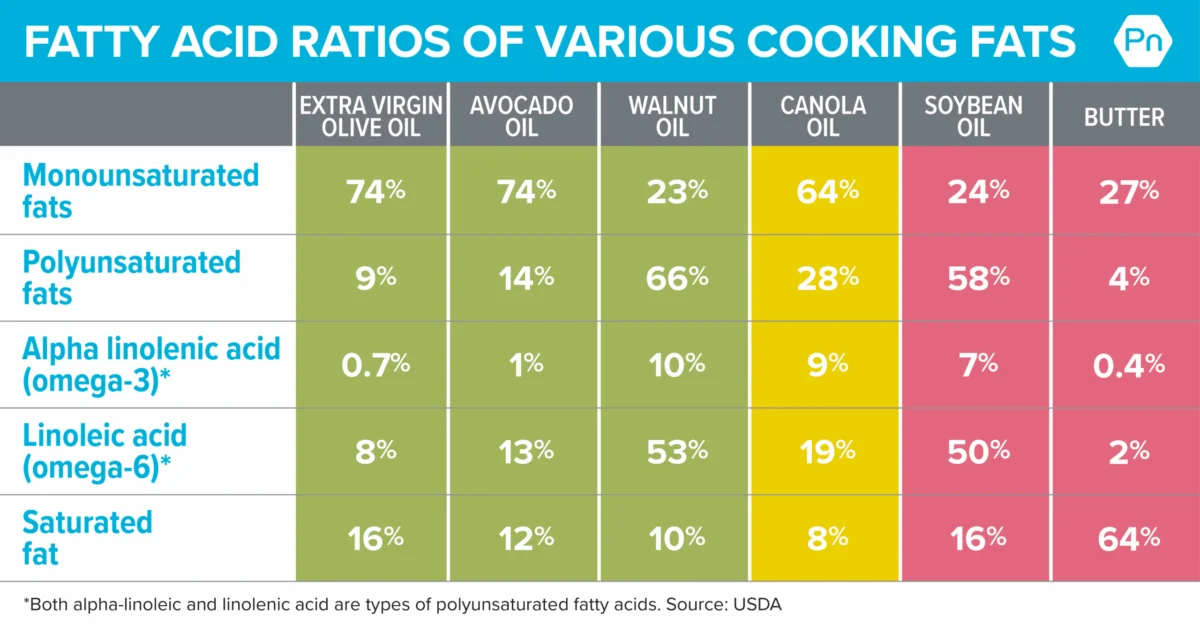
Dietary fats are broadly categorized into saturated, monounsaturated (MUFAs), and polyunsaturated (PUFAs) fatty acids. PUFAs are further divided into omega-3 and omega-6 fatty acids. The health effects of an oil largely depend on the ratio and type of these fatty acids.
- Saturated Fats: Predominant in animal fats (butter, lard) and some plant oils (coconut, palm). Generally associated with raising LDL cholesterol, though the impact can vary.
- Monounsaturated Fats (MUFAs): Abundant in olive oil, avocado oil, and high-oleic sunflower/safflower oils. Known for their heart-healthy benefits, including lowering LDL cholesterol and increasing HDL ("good") cholesterol.
- Polyunsaturated Fats (PUFAs): Found in most seed oils (soybean, corn, sunflower, safflower) and nuts/seeds. Essential for bodily functions.
- Omega-3s: Anti-inflammatory. Found in fatty fish (EPA, DHA) and some plant sources (ALA, found in flaxseed, walnuts, and some canola oil).
- Omega-6s: Precursors to both pro-inflammatory and anti-inflammatory compounds. Abundant in many seed oils.
The Oxidation Concern: Refined Oils and Heat:
A primary concern raised by critics is the susceptibility of polyunsaturated fats to oxidation. Due to their chemical structure (multiple double bonds), PUFAs are inherently less stable and more prone to reacting with oxygen, especially when exposed to heat, light, or air, compared to MUFAs or saturated fats. The extensive refining process strips away natural antioxidants (like vitamin E and polyphenols) that would normally protect the oil from oxidation. When these refined oils are then used for high-heat cooking (e.g., deep frying) or incorporated into ultra-processed foods that undergo further heating, they can oxidize.
Lipid peroxidation, the process of oxidative degradation of lipids, produces compounds like aldehydes, which are potentially harmful and have been linked to cellular damage and inflammation. Some studies have indicated that diets rich in polyunsaturated fats, particularly from refined vegetable oils, can be associated with increased levels of oxidized blood lipids and other markers of inflammation. However, the extent to which this translates to chronic disease risk in humans from typical dietary consumption, especially in the context of a balanced diet, remains a subject of ongoing research and debate. It is widely acknowledged that the repeated heating of oils in commercial fryers significantly increases oxidation and the formation of undesirable compounds, including trans fats.
The Omega-6 Paradox: Beyond Simple Ratios:
Another major point of contention revolves around omega-6 fatty acids. The typical Western diet has a significantly higher ratio of omega-6 to omega-3 fats, often ranging from 16:1 to 20:1, far exceeding the theoretical "ideal" ratio (historically suggested as 1:1 to 4:1). Some experts hypothesize that this imbalance promotes a pro-inflammatory state in the body, potentially contributing to the rise of chronic diseases like diabetes, obesity, and cardiovascular issues.
However, the scientific community’s understanding of omega-6s has evolved. While certain omega-6 metabolites can be pro-inflammatory, others are anti-inflammatory. More importantly, recent research emphasizes that the source and overall dietary context of omega-6s are critical. Whole foods rich in omega-6s, such as nuts and seeds, are consistently linked to numerous health benefits, including reductions in blood cholesterol and inflammation. For instance, a 2019 review in the American Heart Association journal Circulation found that, if anything, the consumption of omega-6 fats reduced the risk for stroke, heart disease, and early death.
The key distinction lies between omega-6s consumed within a complex matrix of nutrients (fiber, antioxidants, vitamins, minerals) in whole foods, versus those isolated in highly refined oils stripped of these protective compounds. While refined canola oil and nuts might share a similar omega-6 profile, nuts provide a holistic package of nutrients that may mitigate any potential negative effects of isolated omega-6s. This nuance is crucial and often lost in the "omega-6 is inflammatory" narrative.
Expert Recommendations: Navigating the Complex Landscape
Given the complexity, major nutrition organizations and expert panels typically advocate for a nuanced approach to dietary fats, focusing on overall dietary patterns rather than isolating single ingredients.
Extra Virgin Olive Oil (EVOO): A Pillar of Health:
Extra virgin olive oil consistently ranks at the top of recommended cooking fats. Produced by mechanically pressing olives without heat or chemical solvents, EVOO retains most of the olive fruit’s original polyphenols and antioxidants. It is exceptionally rich in heart-healthy monounsaturated fatty acids (MUFAs).
The scientific evidence supporting EVOO’s health benefits is robust and extensive. Numerous studies have linked regular EVOO consumption to a reduced risk of:
- Cardiovascular disease (e.g., a study of over 22,000 adults in Southern Italy found higher olive oil consumption linked to a 20% lower mortality risk over 13 years).
- Stroke
- Certain cancers
- Alzheimer’s disease
- Type 2 diabetes
Furthermore, EVOO is associated with favorable lipid profiles, including reductions in LDL cholesterol, especially when it replaces saturated fats.
Contrary to older culinary advice, EVOO is also surprisingly stable for cooking. Its high concentration of MUFAs and protective polyphenols help it resist degradation even at higher temperatures, as demonstrated in research showing EVOO remained more stable than other oils, including canola, when heated. This makes EVOO a highly versatile and health-promoting choice for both cooking and dressings.
Canola Oil: A Budget-Friendly Contender:
Among seed oils, expeller-pressed canola oil often receives more favorable reviews. Derived from a hybrid of the rapeseed plant, it is one of the most affordable cooking oils. Expeller-pressed canola oil, extracted mechanically without solvents or excessive heat, retains more beneficial compounds than its refined counterpart. It is rich in MUFAs, second only to olive oil among common vegetable oils, and contains alpha-linolenic acid (ALA), a plant-based omega-3 fatty acid. It also contains phytosterols, which can help lower blood cholesterol.
While the body of research for expeller-pressed canola oil is not as extensive as for EVOO, it is generally considered a health-neutral to slightly beneficial option when consumed in moderation and used as a replacement for less healthy fats. Its neutral flavor also makes it a popular choice for baking. However, it is crucial to differentiate it from highly refined canola oil, which, through chemical processing, loses some of its beneficial compounds and may contain small amounts of trans fats.

The Saturated Fat Question: Butter and Beyond:
The debate between refined vegetable oils and butter is one of the most contentious. Butter, primarily composed of saturated fat, has seen its reputation fluctuate. While saturated fats were broadly demonized in the latter half of the 20th century, a more nuanced view has emerged.
Current dietary guidelines, such as those from the U.S. Dietary Guidelines for Americans, recommend capping saturated fat intake at less than 10% of total calories. Excessive saturated fat consumption is still linked to increased LDL cholesterol and a higher risk of heart disease. Research, including an analysis of multiple studies, suggests that replacing even 5% of dietary saturated fats with MUFAs or PUFAs can reduce the risk of heart disease by 10-15%.
However, not all saturated fats behave identically. The structure of saturated fats within certain dairy products, such as the milk fat globule membrane in full-fat milk, cream, or cheese, appears to mitigate their cholesterol-raising effects. Butter, however, is low in this protective membrane and, consequently, tends to raise blood cholesterol more than other high-fat dairy products. Therefore, while moderate butter consumption can fit into a healthy diet, it’s advised to limit intake due to its high saturated fat content (a tablespoon contains roughly one-third of the daily recommended limit for a 2000-calorie diet).
The primary concern with refined vegetable oils, beyond their fatty acid profile, lies in their processing and the context of their consumption. While moderate use in home cooking might be acceptable, the larger issue is their pervasive presence in ultra-processed foods.
The Elephant in the Room: Ultra-Processed Foods
The most significant and often overlooked aspect of the vegetable oil debate is the role of ultra-processed foods (UPFs). For the vast majority of people, the primary source of refined vegetable oils is not the oil they use for home cooking, but rather the oils hidden within an array of UPFs. These include everything from store-bought cookies, chips, crackers, and frozen dinners to salad dressings, sauces, and boxed macaroni and cheese.
Ultra-processed foods are characterized by multiple industrial processes and the inclusion of numerous ingredients, often including refined vegetable oils, high-fructose corn syrup, artificial flavors, and preservatives. These foods are designed to be hyper-palatable, calorie-dense, and difficult to stop eating, leading to overconsumption.
The health implications of UPF consumption are substantial. A large body of evidence links high intake of ultra-processed foods to:
- Increased risk of premature death (a review of nearly 10 million people).
- Higher rates of obesity.
- Increased risk of cardiovascular disease, hypertension, and type 2 diabetes.
- Certain cancers.
- Increased risk of mental health issues like anxiety and depression.
- Inflammatory bowel disease.
The refined vegetable oils within these UPFs are subjected to repeated heating during manufacturing and storage, which further increases oxidation and the formation of potentially harmful compounds. Moreover, these oils are consumed in a matrix devoid of beneficial nutrients like fiber, vitamins, minerals, and phytonutrients, which might otherwise help counteract any negative effects.
Therefore, while the direct toxicity of refined vegetable oils used sparingly in home cooking remains debatable, their contribution to the overall health burden, primarily through their ubiquitous presence in UPFs, is undeniable. Limiting ultra-processed foods to about 20% of one’s total intake, and prioritizing minimally processed whole foods for the remaining 80%, would naturally and significantly reduce refined vegetable oil consumption to a safer level. This approach also ensures a higher intake of protective nutrients, which may help offset concerns about oil oxidation.
Towards a Balanced Diet: Practical Guidance for Consumers
The discussion around vegetable and seed oils, like many nutrition topics, ultimately boils down to nuance and context. There is no single "good" or "bad" oil in isolation, but rather a spectrum of health impacts influenced by processing, fatty acid profile, and the overall dietary pattern.
For consumers seeking to make informed choices, the following practical advice, aligned with broader public health recommendations, can serve as a valuable guide:
-
Prioritize Minimally-Processed Whole Foods: The cornerstone of a healthy diet should be whole and minimally processed foods. This includes sources of healthy fats like avocados, olives, nuts, seeds, and fatty fish (e.g., salmon). These foods offer not only beneficial monounsaturated and omega-3 fats but also a rich array of fiber, protein, vitamins, minerals, and antioxidants, which are crucial for overall health and can help mitigate potential issues associated with refined oils. When evaluating packaged foods, consider: Is it close to its natural state? Does it have a short ingredient list with recognizable items? Was it made at home or in a factory? "No" answers often signal a highly processed food.
-
Choose High-Quality Oils for Cooking and Dressings:
- "Eat More" (Primary Choices): Extra virgin olive oil, cold-pressed avocado oil, and walnut oil are excellent choices. They are rich in MUFAs and antioxidants, and extensive research supports their health benefits. Walnut oil, being higher in polyunsaturated fats, is best used in dressings rather than high-heat cooking.
- "Eat Some" (Secondary Choices, especially budget-friendly): Expeller-pressed canola oil, high-oleic sunflower oil, and high-oleic safflower oil can be part of a healthy diet. They offer a good fatty acid profile, are generally stable for cooking, and are more affordable.
- "Eat Less" (Limit Intake): Refined vegetable oils (e.g., corn, soybean, standard sunflower, standard safflower, cottonseed) and butter should be consumed in moderation. These oils are often stripped of protective compounds and may contribute to a less favorable omega-6 to omega-3 ratio, while butter is high in saturated fat that can raise cholesterol.
-
Limit Deep-Fried Foods: Regardless of the type of fat used, deep-fried foods should be categorized in the "eat less" column. The high temperatures and repeated use of oil in deep frying can lead to the formation of harmful compounds, including trans fats and oxidized lipids, making these foods detrimental to health.
-
Obtain Most Fats from Food, Not Just Oils: While healthy oils can be part of a balanced diet, the majority of your fat intake should come directly from whole food sources. Avocados, nuts, seeds, and olives provide fats alongside a wealth of other essential nutrients and fiber, making them more nutrient-dense and satiating than oils alone. Aim for 1-3 servings of cooking oils or butter per day as a reasonable guideline, focusing on quality.
In conclusion, the claim that all vegetable and seed oils are "toxic" is an oversimplification that does not align with the current body of scientific evidence. While some highly refined oils, especially when consumed in the context of ultra-processed foods, pose legitimate health concerns, many others, particularly extra virgin olive oil and expeller-pressed varieties, are either beneficial or health-neutral when integrated into a balanced diet. The real culprit often lies not in the oils themselves, but in the broader dietary patterns dominated by ultra-processed foods, which are calorie-dense, nutrient-poor, and contribute significantly to chronic disease. By prioritizing whole, minimally processed foods and making judicious choices about cooking fats, consumers can navigate this complex landscape effectively and support their long-term health.