
From the swirling currents of TikTok to prominent positions on bestseller lists, the discussion around vegetable oils—often colloquially termed “seed oils”—has escalated into a major cultural and nutritional debate. This is not an entirely new phenomenon; the merits and demerits of these oils have been subjects of contention since their widespread introduction into the food supply. However, recent years have seen a significant resurgence of skepticism, fueled in part by popular dietary trends such as the carnivore diet, which advocates for minimal plant-based foods. Social media platforms are now replete with posts branding these ubiquitous cooking oils as everything from “toxic sludge” and “motor oil” to the ominous “hateful eight,” with some even declaring them the “biggest cause of chronic disease that nobody knows about.”
The core logic of the anti-vegetable oil movement often rests on a historical narrative. Proponents argue that animal fats have been integral to the human diet for millennia, implying a natural compatibility with our biology. In stark contrast, vegetable fats, particularly those derived from seeds, are presented as a relatively modern invention of the last century, driven by profit-seeking food corporations aiming to monetize cheap-to-grow agricultural commodities. This narrative often draws parallels to the margarine controversy, where vegetable oil-based spreads were once marketed as healthier alternatives to butter, only for their trans fat content to later be exposed as detrimental. Critics now contend that many vegetable oils are similarly, if not more, insidious, linking them to a growing litany of modern ailments including obesity, anxiety, depression, and inflammatory conditions like ulcerative colitis.
Conversely, a significant body of nutritional experts and public health organizations maintain that many vegetable oils are not only harmless but can be actively health-promoting, often advocating for their use as superior alternatives to animal fats like butter. This stark divergence of opinion leaves the average consumer grappling with conflicting information, struggling to discern fact from hyperbole. As with many complex nutritional topics, the truth is far too nuanced to be distilled into a simple meme or a polarizing social media post. This article aims to navigate the scientific landscape, dissecting the claims and counter-claims to provide an informed perspective on the oils we choose to incorporate into our diets.
Understanding "Vegetable" and "Seed" Oils: What Are We Talking About?
While often used interchangeably, the terms "vegetable oil" and "seed oil" predominantly refer to oils extracted from the seeds of plants. These are distinct from oils derived from the fleshy fruit of plants, such as olive oil, avocado oil, palm oil, or coconut oil. The most common varieties found in grocery aisles, and frequently targeted in current debates, include:
- Soybean oil
- Corn oil
- Sunflower oil (both high-linoleic and high-oleic varieties)
- Canola oil
- Safflower oil (both high-linoleic and high-oleic varieties)
- Cottonseed oil
- Grapeseed oil
- Rice bran oil
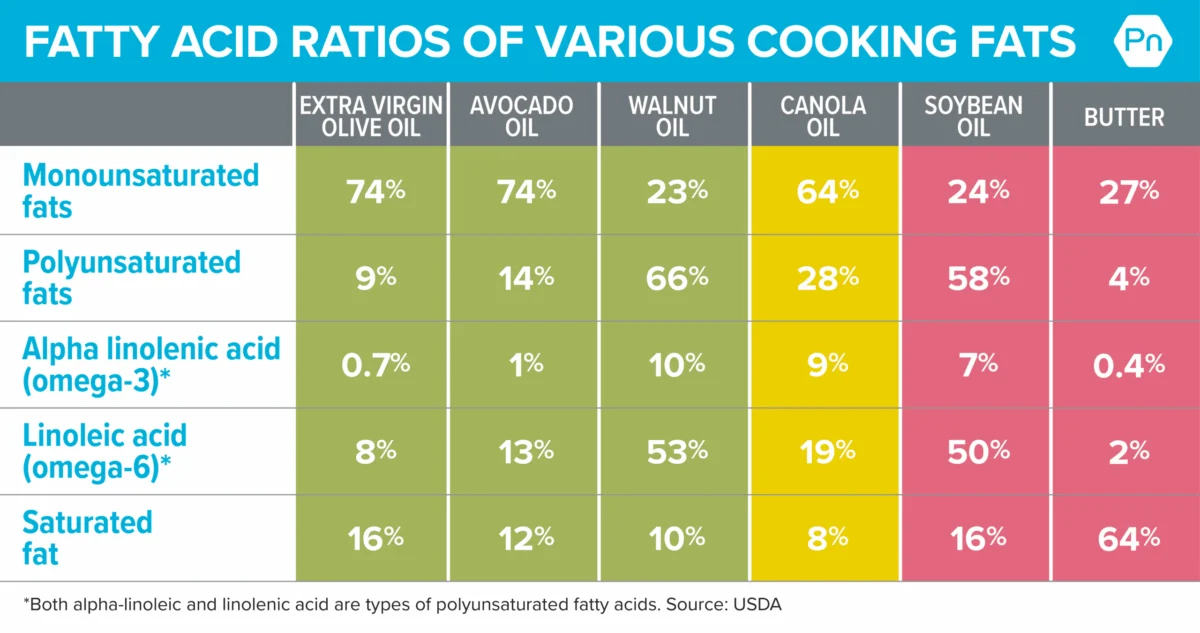
These oils typically share a common characteristic: a relatively high proportion of polyunsaturated fatty acids (PUFAs), particularly omega-6 linoleic acid, compared to other types of fats. This fatty acid profile is central to much of the contemporary discussion regarding their health implications.
The Industrial Journey: How Seed Oils Are Processed
The fundamental difference between oils like extra virgin olive oil and most common seed oils lies in their origin and the extraction process. Olives and avocados are naturally rich in fat, making oil extraction relatively straightforward—often achievable through simple mechanical pressing, even at home. For example, a cup of green olives contains approximately 20 grams of fat, while a cup of corn offers a mere 2 grams. This low fat content in seeds necessitates a far more intensive and complex industrial process to efficiently extract their oil.
The typical multi-step process for producing refined vegetable oils involves:
- Crushing and Pre-Pressing: Seeds are crushed to break down cell walls and increase the surface area. For some seeds, a mechanical expeller press may be used to extract a portion of the oil, generating a crude oil and a solid "cake."
- Heating: The crushed seeds or cake are often heated to increase oil yield and improve the efficiency of subsequent extraction steps. This high heat can degrade heat-sensitive compounds and potentially initiate oxidation.
- Chemical Solvent Extraction: The remaining oil is typically extracted using chemical solvents, most commonly hexane. The solvent dissolves the oil, separating it from the solid meal.
- Desolventizing: The crude oil-solvent mixture is then heated to evaporate the hexane, leaving behind the crude oil. Residual hexane must be removed to meet food safety standards.
- Refining (Degumming, Neutralizing, Bleaching, Deodorizing): This is a series of purification steps:
- Degumming: Water or acid is added to remove phospholipids (gums), which can cause cloudiness and reduce shelf life.
- Neutralizing: The oil is treated with an alkaline solution (e.g., sodium hydroxide) to remove free fatty acids, which can contribute to off-flavors and odors. This step results in soapstock, a byproduct.
- Bleaching: The oil is treated with activated clays to absorb pigments and other impurities, improving its color and stability.
- Deodorizing: The oil is subjected to high-temperature vacuum steaming to remove volatile compounds responsible for undesirable flavors and odors. This is often the most aggressive step, further reducing heat-sensitive nutrients and potentially leading to the formation of small amounts of trans fatty acids.
During this extensive processing, many of the naturally occurring health-promoting compounds present in the original seeds—such as polyphenols, tocopherols (vitamin E), and other antioxidants—are significantly reduced or entirely lost. Critically, the high heat and chemical treatments can also alter the chemical structure of some unsaturated fats, converting trace amounts into trans fatty acids (also known as partially hydrogenated fats). This transformation can also occur when vegetable oils are subjected to prolonged high heat, such as in a restaurant deep fryer. While the term "toxic" might be an exaggeration for these processed oils in moderation, nutrition scientists universally agree that trans fats should be minimized in the diet. This consensus led to the Food and Drug Administration (FDA) banning manufacturers from adding partially hydrogenated oils (the primary source of artificial trans fats) to processed foods in 2018, though trace amounts can still form during intense processing or prolonged heating.
The Omega-6 Question: Inflammation or Misunderstood Nutrient?
A central pillar of the argument against vegetable oils revolves around their high omega-6 fatty acid content, particularly linoleic acid. The typical Western diet is often characterized by a significantly higher intake of omega-6s compared to omega-3s, with ratios often cited as 16:1 to 20:1, in stark contrast to the historical or theoretically "ideal" ratios of 1:1 to 4:1. Some experts theorize that this imbalance could promote a pro-inflammatory state in the body, potentially increasing the risk of chronic conditions such as cardiovascular disease, diabetes, and obesity. This concern stems from the metabolic pathways of omega-6 fatty acids, which can be converted into pro-inflammatory eicosanoids.
However, the scientific understanding of omega-6s has evolved considerably. While the omega-6 to omega-3 ratio was once a prominent focus in nutritional guidelines, there is now a more nuanced debate among scientists regarding its practical significance for chronic inflammation, especially when omega-6s are consumed within the context of whole foods. For instance, nuts and seeds, which are naturally rich in omega-6 fats, have consistently been linked to a wide array of health benefits, including reductions in blood cholesterol and markers of inflammation.
In 2019, Harvard Health published an article titled "No need to avoid healthy omega-6 fats," reflecting a shift in perspective. Supporting this view, a comprehensive 2019 meta-analysis published in the American Heart Association journal Circulation concluded that, if anything, a higher intake of omega-6 fatty acids was associated with a reduced risk of stroke, heart disease, and premature death. The crucial distinction highlighted by these findings is the food matrix. While refined vegetable oils and nuts may share a similar fatty acid profile, nuts and seeds deliver omega-6s alongside a complex array of health-protective components such as fiber, polyphenols, protein, vitamins, and minerals. Minimally processed whole foods offer a synergistic blend of nutrients, whereas highly processed oils are largely stripped of these beneficial compounds, leaving behind primarily fatty acids that are more susceptible to oxidation.

Head-to-Head: A Deep Dive into Common Cooking Fats
To truly understand the role of various oils in a healthy diet, it’s essential to examine them individually, considering their production, nutritional composition, and the scientific evidence supporting their health effects.
Extra Virgin Olive Oil (EVOO): The Gold Standard?
Extra virgin olive oil stands out as one of the least refined cooking fats. Its production involves grinding and mechanically pressing olives without the use of heat or chemical solvents. This gentle process ensures that EVOO retains most of the olive fruit’s original beneficial compounds.
-
The Case for EVOO: EVOO is exceptionally rich in heart-healthy monounsaturated fatty acids (MUFAs), primarily oleic acid, which constitute about 70-80% of its fat content. Crucially, it is also a powerhouse of polyphenols, powerful plant-based antioxidants that combat inflammation, protect cells from oxidative damage, and contribute to its distinctive flavor. The body of scientific evidence supporting EVOO’s health-promoting qualities is arguably more robust than for any other cooking fat. Numerous studies have linked regular olive oil consumption to a reduced risk of:
- Cardiovascular disease (e.g., lower risk of heart attack and stroke)
- Certain cancers
- Type 2 diabetes
- Neurodegenerative diseases like Alzheimer’s
- Inflammatory conditions
- It also consistently shows benefits in lowering LDL ("bad") cholesterol, especially when it replaces saturated fats in the diet. For instance, a study of over 22,000 adults in Southern Italy found that those consuming more than two tablespoons of olive oil daily had a 20% lower mortality risk over 13 years compared to those consuming less than one tablespoon.
-
Dispelling the Smoke Point Myth: Historically, culinary advice often cautioned against cooking with EVOO due to its relatively low smoke point (350-410°F), suggesting that heating would degrade its flavor and health benefits. However, more recent research has challenged this notion. EVOO’s high concentration of MUFAs and its abundant polyphenols actually render it remarkably stable under heat. A study that heated various cooking oils to 464°F and then held them at 356°F for several hours found that EVOO remained more stable and produced fewer harmful compounds than any other oil tested, including canola oil. This demonstrates that EVOO is suitable for most everyday cooking, including sautéing and roasting.
Canola Oil: A Budget-Friendly Contender?
Canola oil, a hybrid derived from the rapeseed plant originally developed in Canada (hence "Can-ola"), is one of the most widely used and affordable cooking oils globally.
-
The Case for Expeller-Pressed Canola Oil: Among common vegetable oils, expeller-pressed canola oil stands out for its favorable fatty acid profile. It is rich in monounsaturated fats (around 60%) and also contains alpha-linolenic acid (ALA), a plant-based omega-3 fatty acid. Expeller-pressing is a mechanical method that avoids the use of chemical solvents and high heat, helping to preserve beneficial compounds like ALA and phytosterols. Phytosterols are plant compounds known to help influence blood cholesterol levels positively, particularly when canola oil replaces saturated fats. When consumed in moderation as part of a balanced diet, expeller-pressed canola oil is generally considered health-neutral, and potentially health-beneficial.
-
Expeller-Pressed vs. Refined Canola Oil: The distinction between expeller-pressed and refined canola oil is crucial. Refined canola oil, subjected to the full industrial refining process described earlier, can lose some of its protective ALA and may contain small amounts of trans fatty acids formed during processing. This results in a product that is proportionally lower in beneficial omega-3s and higher in omega-6s compared to its expeller-pressed counterpart. Therefore, while both are widely used, expeller-pressed canola oil is generally preferred due to its less altered nutritional profile.
-
Winner: EVOO, with Canola as a Solid Runner-Up: Extra virgin olive oil clearly emerges as the winner based on the sheer volume and quality of supporting research, its superior fatty acid profile, and its rich antioxidant content. Avocado oil, with its similar high MUFA content and antioxidant profile, also falls into this "eat more" category. However, cost is a significant factor for many consumers. Expeller-pressed canola oil offers a more budget-friendly alternative, often costing half as much as EVOO. Its neutral flavor also makes it a preferred choice for baking or in dishes where a strong olive flavor is undesirable. When used judiciously, expeller-pressed canola can be a valuable part of a healthy diet, likely offering health-neutral to slightly beneficial effects.
Butter vs. Refined Vegetable Oils: A Saturated Debate
This particular matchup often ignites the most passionate arguments in dietary discussions, stemming from decades of evolving nutritional advice.
-
The Case for Butter (and its Limitations): Proponents of butter often argue that saturated fats have been unfairly demonized, pointing to the disastrous advice of the 1980s and 90s that encouraged replacing butter with trans-fat-laden margarine. While some research suggests the direct link between dietary saturated fat and heart disease is more complex than once thought, the consensus among major health organizations remains that excessive saturated fat consumption (typically above 10% of total calories) can elevate LDL cholesterol levels and increase the risk of cardiovascular disease. Studies have consistently shown that replacing even a small percentage of dietary saturated fats with monounsaturated or polyunsaturated fats can significantly reduce heart disease risk.
It’s also important to note that not all saturated fats affect blood cholesterol equally. In some dairy products like full-fat milk, cream, yogurt, or cheese, a protective "milk fat globule membrane" (MFGM) surrounds the saturated fats, which appears to limit their cholesterol-raising properties. However, butter is relatively low in this protective membrane, and consequently, tends to raise blood cholesterol more than other high-fat dairy items. Given that a single tablespoon of butter contains approximately 7 grams of saturated fat—about a third of the daily recommended limit for a 2000-calorie diet—moderation is key. Butter can certainly be part of a healthy diet, but its intake should be mindful of overall saturated fat limits.

-
The Case Against Refined Vegetable Oils (and their Context): Due to their chemical structure, polyunsaturated fats are inherently less stable and more susceptible to oxidation than monounsaturated or saturated fats. During the refining process, the protective phytochemicals and antioxidants are largely stripped away, leaving these oils more vulnerable to oxidative damage. The theory is that consuming these oxidized fats contributes to increased inflammation within the body, potentially raising the risk of various chronic health conditions. Some evidence does suggest that diets high in polyunsaturated fats, particularly from refined vegetable oils, are associated with elevated levels of oxidized blood lipids and other markers of inflammation.
However, a crucial distinction must be made: for the vast majority of people, the primary source of refined vegetable oils is not home-cooked meals where they might be used for light sautéing. Instead, it is ultra-processed foods. These foods undergo even more extensive processing and often involve repeated heat exposure, which further oxidizes the oils. Beyond the oils themselves, ultra-processed foods are typically loaded with other potentially harmful ingredients like added sugars and sodium, while being severely deficient in beneficial nutrients such as fiber, vitamins, minerals, and phytonutrients. They are also engineered to be incredibly palatable, calorie-dense, and difficult to stop eating, contributing significantly to the global obesity epidemic.
A large-scale review encompassing nearly 10 million individuals linked the consumption of ultra-processed foods to a higher risk of premature death and numerous health problems, including cardiovascular disease, metabolic syndrome, type 2 diabetes, certain cancers, and mental health issues. While a complete elimination of ultra-processed foods may be unrealistic for many, aiming to limit their consumption to about 20% of one’s total intake, with the remaining 80% derived from minimally processed whole foods, can significantly reduce overall refined vegetable oil intake. Furthermore, consuming refined vegetable oils in the context of a diet rich in colorful plants, fiber, phytochemicals, and antioxidants (e.g., a reasonable amount of commercial salad dressing on a large, vibrant salad) may help to mitigate concerns about oxidation by providing a protective buffer of antioxidants.
-
Winner: A Nuanced Draw: This matchup ultimately results in a draw, with the recommendation that both refined vegetable oils and butter should be consumed in moderation. Neither is inherently "health-promoting" in isolation. Refined vegetable oils are typically rich in omega-6 polyunsaturated fatty acids, stripped of protective compounds, and may contain trace trans fats due to processing. Butter, while less processed, is high in saturated fat which can be problematic in high amounts, especially given its low content of the protective milk fat globule membrane. The larger implication is that both are best consumed within an overall dietary pattern that prioritizes whole, unprocessed foods.
Crafting a Healthier Fat Strategy: Beyond the Binary
Given the complexities, crafting a sensible approach to dietary fats involves moving beyond simplistic "good vs. bad" labels and focusing on overall dietary patterns.
-
Prioritize Minimally Processed Whole Foods: The most effective strategy is to obtain the majority of your fats from whole, unprocessed or minimally processed foods. This includes avocados, olives, nuts, seeds (chia, flax, walnuts, almonds), and fatty fish (salmon, mackerel, sardines). These foods not only provide healthy monounsaturated (MUFAs) and omega-3 fats but also come packaged with a synergistic array of fiber, protein, vitamins, minerals, and antioxidants. These co-existing nutrients enhance the overall health benefits and help counteract any potential downsides of the fat content. To identify minimally processed foods, consider:
- Does it have few ingredients?
- Are the ingredients recognizable as whole foods?
- Could you reasonably make it in your own kitchen?
- If you answer "no" to most of these, it’s likely highly processed.
-
Strategic Use of Cooking Oils: While whole food fats are paramount, cooking oils still have a place.
- "Eat More" Options: Extra virgin olive oil, cold-pressed avocado oil, and walnut oil are excellent choices. EVOO and avocado oil are rich in MUFAs and antioxidants, suitable for most cooking. Walnut oil, high in omega-3 PUFAs, is best used in dressings or low-heat applications due to its lower heat stability. These options tend to be more expensive but offer significant nutritional benefits.
- "Eat Some" Options (Budget-Friendly Runners-Up): If budget is a concern, expeller-pressed canola oil, high-oleic sunflower oil, and high-oleic safflower oil are solid alternatives. Their high MUFA content makes them more stable than traditional high-linoleic varieties, and they have been associated with cardiovascular benefits when replacing saturated fats. They are generally health-neutral in moderate amounts.
-
Limit Deep-Fried and Ultra-Processed Foods: Regardless of the oil used, deep-fried foods should be categorized in the "eat less" column. The high temperatures and repeated heating cycles involved in deep frying can degrade any oil, forming undesirable compounds. More importantly, minimize your intake of ultra-processed foods. By focusing on whole foods, you naturally reduce your exposure to highly refined oils, added sugars, and excessive sodium, simultaneously increasing your intake of fiber and micronutrients.
-
Fats from Food, Not Just Oils: While EVOO is linked to longevity, this does not imply taking shots of it. As a general rule, prioritize getting most of your fat intake from whole foods rather than relying solely on cooking oils. Whole foods provide satiety, fiber, and a full spectrum of nutrients that oils, by definition, lack. However, incorporating one to three servings of quality oils or butter per day as part of cooking or dressing is perfectly reasonable within a balanced dietary framework.
Conclusion: Nuance and Informed Choices
The debate surrounding vegetable and seed oils, though often polarized, underscores a fundamental truth in nutrition: context and overall dietary patterns are paramount. No single food or ingredient is likely to be a miraculous panacea or a sole cause of chronic disease. While certain refined vegetable oils, particularly when embedded within ultra-processed foods, warrant caution due to their processing, fatty acid profile, and the nutrient-poor environment they often inhabit, others like extra virgin olive oil are celebrated for their proven health benefits.
The key takeaway is to embrace a diet rich in whole, minimally processed foods, where fats are primarily sourced from nuts, seeds, avocados, and fish. When cooking, opt for less refined oils like EVOO or avocado oil, or choose expeller-pressed varieties for more budget-conscious or neutral-flavored applications. By making informed choices based on scientific evidence rather than sensationalist claims, consumers can navigate the complex world of dietary fats and build sustainable eating habits that support long-term health and well-being.