
The fervent debate surrounding vegetable and seed oils, often collectively termed "seed oils," has escalated from niche dietary forums to mainstream social media platforms, dominating discussions on TikTok and influencing bestseller lists. While the merits of these oils have been debated since their initial market introduction, the advent of dietary trends like the carnivore diet has reignited a particularly aggressive rhetoric, with critics labeling them "toxic sludge," "motor oil," "the hateful eight," and even "the biggest cause of chronic disease that nobody knows about." This intense polarization presents a significant challenge for consumers seeking factual, science-backed guidance on dietary fats.
Proponents of the "anti-seed oil" narrative often anchor their arguments in a chronological dichotomy: animal fats, they contend, have been a staple of human diets for millennia, while vegetable oils are a relatively recent invention of the last century, purportedly driven by profit motives to monetize cheap-to-grow crops. Furthermore, they draw parallels to margarine, which was once marketed as a healthier alternative to butter but later revealed to harbor trans fats with detrimental health effects. Critics argue that modern vegetable oils are similarly insidious, potentially worsening health outcomes and contributing to conditions such as obesity, anxiety, depression, and ulcerative colitis.
Conversely, a substantial body of scientific opinion, supported by numerous health organizations, asserts that many vegetable oils are harmless, or even beneficial, particularly when replacing saturated and trans fats. This perspective often posits them as superior to butter in terms of cardiovascular health. This stark divergence in viewpoints underscores a fundamental truth in nutrition science: the reality is far more intricate than soundbites or viral memes suggest. This article aims to dissect the scientific evidence from the prevailing pseudoscience, enabling readers to make informed dietary choices regarding cooking oils.
Deconstructing "Vegetable Oils": A Clarification of Terms
The term "vegetable oil" broadly refers to oils derived from plants, but in common dietary discourse, it often specifically denotes "seed oils." These typically originate from the seeds of various plants. The most prevalent examples found in grocery aisles include:
- Canola oil (derived from rapeseed)
- Corn oil
- Soybean oil
- Sunflower oil
- Safflower oil
- Grapeseed oil
- Rice bran oil
It is crucial to distinguish these "seed oils" from other plant-based oils that are often mistakenly grouped with them. Oils such as extra virgin olive oil, avocado oil, palm oil, and coconut oil are extracted from the fruits or flesh of their respective plants, not the seeds. For instance, olives and avocados are naturally rich in fat, allowing for simpler, often mechanical, extraction processes. This distinction is vital because their processing methods and nutritional profiles can differ significantly.
The Industrial Journey: How Vegetable Oils Are Processed
The method of oil extraction is a critical factor influencing its final quality and health implications. Oils from naturally fatty fruits like olives and avocados can be produced with minimal processing. Extra virgin olive oil, for example, is made by simply grinding and mechanically pressing olives, often without the use of heat or chemical solvents. This preserves a wealth of beneficial compounds.
However, the majority of "seed oils" come from plants with a comparatively low fat content. A cup of green olives, for instance, contains approximately 20 grams of fat, whereas a cup of corn has only about 2 grams. This low yield necessitates an extensive, multi-step industrial process to efficiently extract and refine the oil:
- Grinding and Pressing: Seeds are crushed to break their cell walls, and then often pressed to extract an initial crude oil.
- Heating: Seeds are frequently heated to increase oil yield and prepare them for solvent extraction.
- Solvent Extraction: To maximize oil recovery, chemical solvents, most commonly hexane, are used to dissolve remaining oil from the pressed seed meal.
- Degumming: Impurities like phospholipids and gums are removed.
- Refining: Free fatty acids, waxes, and other undesirable components are removed, often using alkaline solutions.
- Bleaching: The oil is treated with clays or activated carbon to remove pigments and achieve a lighter color.
- Deodorizing: The oil is heated under vacuum to remove volatile compounds that can impart undesirable flavors and odors, resulting in a neutral-tasting and smelling product.
This rigorous processing, while efficient for mass production, comes at a cost. Crucially, many health-promoting phytochemicals, such as polyphenols and other natural antioxidants that stabilize the oil, are significantly diminished or entirely lost. Furthermore, the high temperatures and chemical treatments involved can lead to the formation of small amounts of trans fatty acids (also known as partially hydrogenated fats). This transformation also occurs when oils are subjected to prolonged high heat, such as in restaurant deep fryers. The scientific consensus is clear on trans fats: they are detrimental to health, prompting the U.S. Food and Drug Administration (FDA) to ban manufacturers from adding partially hydrogenated oils to processed foods by 2018, citing them as unsafe. While calling these processed oils "toxic" might be an overstatement, the presence of trans fats and the loss of protective nutrients raise legitimate concerns about their health profile.
Expert Consensus: Guiding Dietary Choices for Fats
Navigating the vast array of cooking oils can be daunting. Leading nutrition organizations and dietary experts typically categorize fats based on their processing, fatty acid composition, and supporting research. These guidelines aim to help individuals make informed decisions about which oils to prioritize, consume in moderation, or limit.
Generally, a hierarchical approach is recommended:
- "Eat More" (Foundational Fats): This category includes minimally processed oils rich in monounsaturated fatty acids (MUFAs) and beneficial antioxidants. Examples are extra virgin olive oil and avocado oil. These are widely supported by extensive research for their health-promoting properties.
- "Eat Some" (Moderation Fats): This group comprises certain vegetable oils that, when minimally processed (e.g., expeller-pressed) or with a favorable fatty acid profile (e.g., high-oleic varieties), can be part of a healthy diet without necessarily improving or harming health in reasonable amounts. Expeller-pressed canola oil and high-oleic sunflower/safflower oils fit here.
- "Eat Less" (Limit or Avoid): This category includes highly refined vegetable oils (e.g., standard corn, soybean, cottonseed oils) and fats high in saturated fat (e.g., butter, margarine, tropical oils). The rationale for limiting refined vegetable oils stems from their processing, potential for oxidation, and altered fatty acid profiles. Saturated fats, while not universally "bad," are generally recommended for moderation due to their impact on cholesterol levels.
This nuanced approach acknowledges that not all fats are created equal, and that context—including processing, quantity, and overall dietary pattern—is paramount.

Head-to-Head: A Scientific Comparison of Common Cooking Fats
To understand the rationale behind these recommendations, a closer look at specific oil comparisons is necessary.
Extra Virgin Olive Oil (EVOO) vs. Expeller-Pressed Canola Oil
These two oils represent some of the less refined options within their respective categories, though EVOO stands out significantly.
-
The Case for Extra Virgin Olive Oil (EVOO): EVOO is produced by mechanically pressing olives without heat or chemical solvents. It is exceptionally rich in monounsaturated fatty acids (MUFAs), particularly oleic acid, which are known for their cardiovascular benefits. Crucially, EVOO retains a high concentration of the olive fruit’s original polyphenols and other antioxidants. These compounds are potent anti-inflammatory agents and protect cells from oxidative damage. The scientific literature supporting EVOO’s health benefits is vast and compelling. For instance, studies on populations adhering to a Mediterranean diet, where EVOO is a cornerstone, consistently link high consumption to reduced risks of heart disease, stroke, certain cancers, and neurodegenerative diseases. A study involving over 22,000 adults in Southern Italy found that those consuming more than two tablespoons of olive oil daily had a 20% lower mortality rate over 13 years compared to those consuming less than one tablespoon. Furthermore, EVOO consumption is associated with favorable reductions in LDL ("bad") cholesterol, especially when it replaces saturated fats.
A common misconception about EVOO revolves around its smoke point (350-410°F). Older culinary advice suggested avoiding EVOO for high-heat cooking due to concerns about degradation. However, contemporary research indicates that EVOO’s rich antioxidant content and high MUFA concentration make it remarkably stable even at elevated temperatures. A study that heated various cooking oils to 464°F (240°C) and then maintained them at 356°F (180°C) for several hours found EVOO to be more stable than any other oil tested, including canola oil, largely due to its protective polyphenols.
-
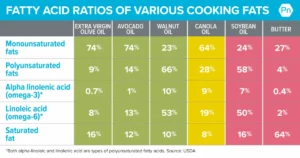
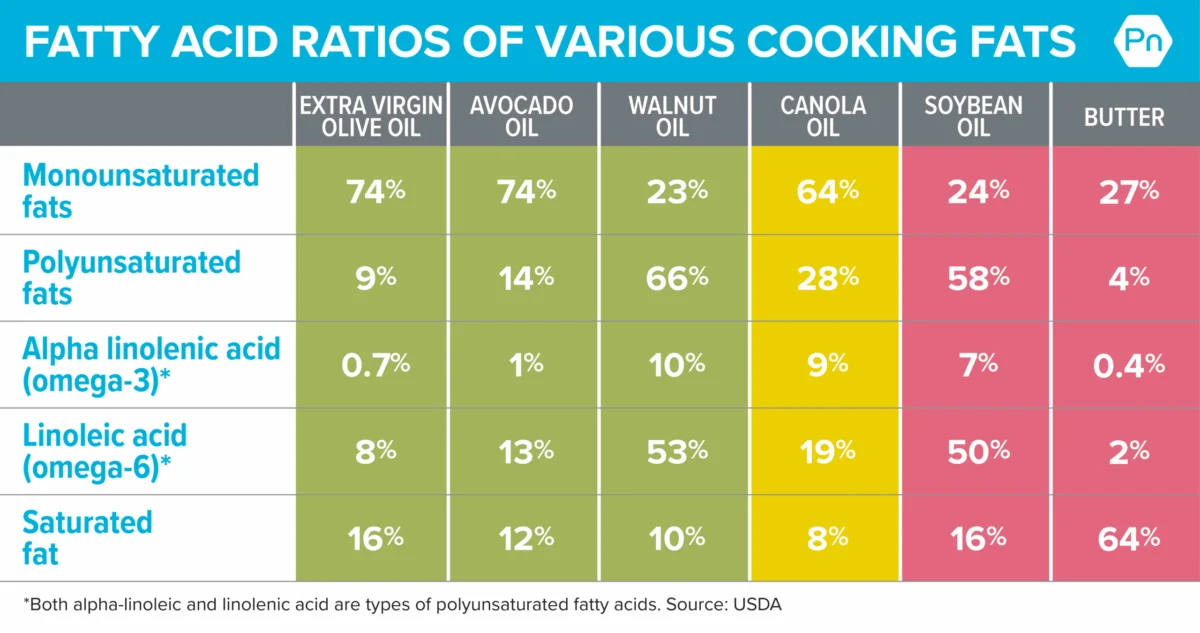
The Case for Expeller-Pressed Canola Oil: Canola oil, derived from a hybrid rapeseed plant, is one of the most affordable cooking oils. Expeller-pressed canola oil is produced by mechanically pressing the seeds, avoiding the chemical solvents and high heat used in refined versions. It is notable among vegetable oils for its high content of MUFAs and a significant amount of alpha-linolenic acid (ALA), a plant-based omega-3 fatty acid. Additionally, canola oil contains phytosterols, plant compounds that can help lower blood cholesterol levels, particularly when used as a substitute for butter or other saturated fats.
-
The Winner: Extra Virgin Olive Oil. While expeller-pressed canola oil offers some benefits, EVOO unequivocally emerges as the superior choice. The sheer volume and robustness of research supporting EVOO’s health-promoting qualities far exceed that for expeller-pressed canola. EVOO’s more favorable fatty acid profile and rich antioxidant content solidify its position. Avocado oil, with a similar profile, also falls into the "eat more" category. However, cost and flavor preference are practical considerations. Expeller-pressed canola oil is significantly more affordable and has a neutral flavor, making it a suitable, budget-friendly option for baking or cooking where EVOO’s distinctive taste might be undesirable. When consumed in moderation, expeller-pressed canola oil is considered health-neutral, if not moderately beneficial.
Expeller-Pressed Canola Oil vs. Refined Canola Oil
This comparison highlights the critical impact of processing methods on the final product.
-
Expeller-Pressed Canola Oil: As discussed, this method mechanically squeezes oil from seeds without chemical solvents or excessive heat. This gentler process helps to preserve beneficial compounds, including alpha-linolenic acid (ALA) and phytosterols, which contribute to its modest health benefits.
-
Refined Canola Oil: The standard industrial refining process for canola oil involves heat, chemical solvents, and subsequent purification steps. This process strips away some of the protective ALA and can introduce small amounts of unhealthy trans fatty acids. The result is an oil that is proportionally lower in beneficial omega-3 fatty acids and higher in omega-6 fatty acids, altering its nutritional balance.
-
The Winner: Expeller-Pressed Canola Oil. The less refined version is preferable, albeit by a modest margin. Canola oil begins with a relatively balanced fatty acid profile compared to many other vegetable oils, such as soybean oil, which contains less heart-healthy MUFAs and a higher proportion of omega-6 fats.
The Omega-6 Debate: Inflammation or Health Benefit?
The discussion around omega-6 fatty acids often generates controversy. The typical Western diet features a significantly higher intake of omega-6s compared to omega-3s (often 16-20 times more). Some experts theorize that this imbalance could promote chronic inflammation, potentially increasing the risk for conditions like diabetes and obesity. Historically, widespread recommendations aimed to "balance" this ratio, suggesting an ideal range from 1:1 to 4:1 (omega-6 to omega-3).

However, current scientific understanding is more nuanced. While an excessive imbalance might be problematic, particularly with highly refined sources, recent research questions whether omega-6s, especially from whole foods, are inherently inflammatory. Nuts and seeds, for example, are naturally rich in omega-6 fats but are consistently associated with a range of health benefits, including reduced blood cholesterol and markers of inflammation. A 2019 review in the American Heart Association journal Circulation even concluded that omega-6 fat consumption, if anything, reduced the risk for stroke, heart disease, and early death.
The key distinction lies in the food matrix. While refined canola oil and nuts may share a similar fatty acid profile, nuts and seeds provide a complex array of health-protective fiber, polyphenols, protein, vitamins, and minerals. Minimally-processed foods, like whole nuts or extra virgin oils, offer a synergy of nutrients. Highly-processed oils, stripped of these protective compounds, primarily deliver fatty acids that are more susceptible to oxidation, especially when subjected to repeated heating.
Refined Vegetable Oil vs. Butter: The Ultimate Showdown
This comparison is perhaps the most contentious in the dietary fat debate, triggering strong opinions from various camps.
-
The Case for Butter (and Saturated Fats): Proponents of butter argue that saturated fats were unfairly demonized in past decades, leading to misguided dietary advice that encouraged replacing butter with trans-fat-laden margarine—a historical error that caused significant health problems. While some studies have challenged the direct link between all saturated fats and heart disease, the prevailing scientific consensus, including recommendations from the U.S. Dietary Guidelines, advises capping saturated fat intake at less than 10% of total calories. Excessive saturated fat consumption is linked to elevated LDL cholesterol levels and an increased risk of heart disease. Research indicates that replacing even 5% of dietary saturated fat with monounsaturated fats can reduce heart disease risk by 15%, and replacing it with polyunsaturated fats (even from refined oils) can reduce risk by 10%.
It’s also important to note that not all saturated fats affect blood cholesterol equally. Some dairy foods contain a "milk fat globule membrane" that encases saturated fats, limiting their cholesterol-raising effects. However, butter is relatively low in this protective membrane, and consequently, tends to raise blood cholesterol more than other high-fat dairy products like full-fat milk, cream, or cheese. A single tablespoon of butter contains approximately 7 grams of saturated fat, which accounts for nearly a third of the daily recommended limit in a 2000-calorie diet. Therefore, while not needing to be eliminated, butter intake should be moderated.
-
The Case Against Refined Vegetable Oils (in excess): Polyunsaturated fats (PUFAs), which are abundant in many vegetable oils, are chemically less stable and more prone to oxidation than saturated or monounsaturated fats. The industrial refining process strips these oils of their natural protective phytochemicals and antioxidants, further increasing their susceptibility to oxidation. The theory posits that this oxidation contributes to inflammation within the body, potentially raising the risk of various health conditions. Indeed, some evidence suggests that diets high in PUFAs, particularly from refined vegetable oils, are associated with increased markers of oxidized blood lipids and inflammation.
Crucially, for the vast majority of people, the primary source of refined vegetable oils is not home cooking, but rather ultra-processed foods. The additional processing steps and repeated heat exposure inherent in manufacturing ultra-processed items further oxidize these oils. Moreover, ultra-processed foods are typically loaded with other potentially harmful ingredients like added sodium and sugars, while being deficient in beneficial nutrients such as fiber, vitamins, minerals, and phytonutrients. They are also notoriously calorie-dense, highly palatable, and engineered to be difficult to stop eating, contributing significantly to rising rates of obesity.
A large review encompassing nearly 10 million individuals linked ultra-processed food consumption to a higher risk of premature death. Furthermore, high consumption of ultra-processed foods has been associated with numerous health problems, including cardiovascular disease, type 2 diabetes, certain cancers, metabolic syndrome, and mental health issues like anxiety and depression.
While completely abolishing ultra-processed foods may be unrealistic for many, limiting their consumption to around 20% of total intake, with the remaining 80% derived from minimally-processed whole foods, can significantly reduce refined vegetable oil intake. Consuming refined vegetable oils in the context of a diet rich in colorful plants, fiber, and antioxidants may also help mitigate concerns about oxidation (e.g., using a reasonable amount of commercial salad dressing on a large, nutrient-dense salad).
-
The Winner: A Draw. This particular matchup underscores the complexity of nutrition. Both refined vegetable oils and butter should be consumed in moderation, as neither is overtly health-promoting when consumed in excess or as a primary fat source. Refined vegetable oils are often high in PUFAs and stripped of protective compounds, and they contain trace amounts of trans fats. Butter, while less processed than refined oils, is high in saturated fat and lacks the protective milk fat globule membrane, making it more impactful on cholesterol levels than other dairy fats. The crucial takeaway is that the overall dietary pattern, emphasizing whole, minimally processed foods, is far more influential on health outcomes than the isolated consumption of either butter or refined vegetable oils.
Strategic Choices for Healthier Fat Consumption
Given the complexities, practical guidance for choosing cooking fats can be distilled into several key principles:
- Prioritize Extra Virgin Olive Oil (EVOO): If budget allows, EVOO remains an excellent choice due to its rich MUFA content, antioxidant profile, and extensive research-backed health benefits. Cold-pressed avocado oil and walnut oil are also highly recommended. Avocado oil, like EVOO, is rich in MUFAs and stable for cooking. Walnut oil, high in polyunsaturated fats, is best suited for dressings or finishing, as it is less heat-stable than EVOO or avocado oil.
- Consider Budget-Friendly Alternatives: For those on a tighter budget, expeller-pressed canola oil is a solid runner-up. Similarly, high-oleic sunflower and safflower oils, which have been specifically bred to contain higher levels of monounsaturated fats, are better choices than their high-linoleic counterparts and have been linked to cardiovascular benefits when replacing saturated fats.
- Emphasize Minimally-Processed Whole Foods: The most effective strategy is to obtain the majority of dietary fats from whole, minimally processed foods. Sources like nuts, seeds, avocados, olives, and fatty fish (e.g., salmon) are rich in health-promoting monounsaturated and omega-3 fats, and come packaged with an array of other vital nutrients such as fiber, protein, vitamins, minerals, and antioxidants. These whole food fats are generally less calorie-dense than pure oils and offer a broader spectrum of benefits.
- Limit Deep-Fried Foods: Regardless of the oil used, deep-frying significantly alters the fat’s chemical structure and often increases its caloric density and potential for trans fat formation. All deep-fried foods should be categorized in the "eat less" category.
- Use Oils Judiciously: While EVOO and other beneficial oils are healthy, they are still concentrated sources of calories. As a general rule, it’s preferable to get most fats from whole foods. However, incorporating one to three servings of oils or butter per day as part of cooking or dressing is perfectly reasonable within a balanced diet.
To discern whether a packaged food is minimally or highly processed, consider these questions:
- Does it have a short ingredient list?
- Are the ingredients recognizable as whole foods?
- Is it free from artificial colors, flavors, or sweeteners?
- Does it contain minimal added sugars, sodium, and unhealthy fats?
If the answer to most of these is "no," the food is likely highly processed, and its contribution to your refined oil intake should be carefully considered.
In conclusion, the debate over vegetable and seed oils is far from simple. While some oils, particularly highly refined versions, warrant moderation due to their processing and potential for oxidation, demonizing an entire category is an oversimplification. The scientific evidence points towards prioritizing minimally processed fats, especially extra virgin olive oil and avocado oil, while being mindful of overall dietary patterns. A diet rich in whole, unprocessed foods will naturally regulate the intake of various fats, ultimately promoting better health outcomes than a rigid focus on eliminating or elevating a single ingredient. Understanding the nuances allows consumers to navigate the complex world of dietary fats with confidence and make choices that genuinely support their well-being.