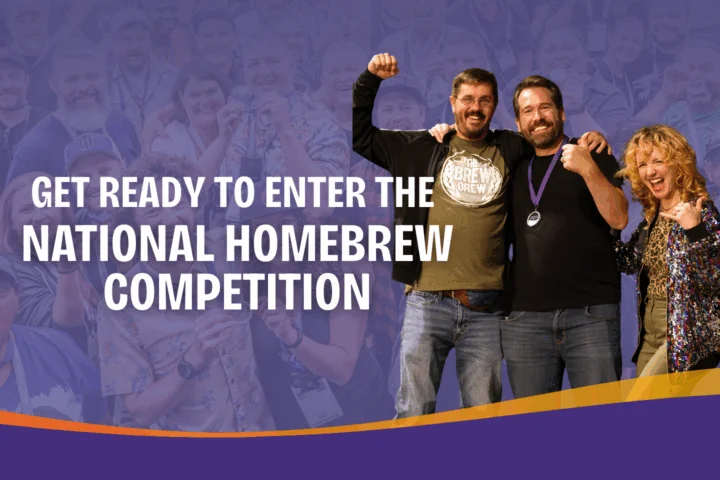

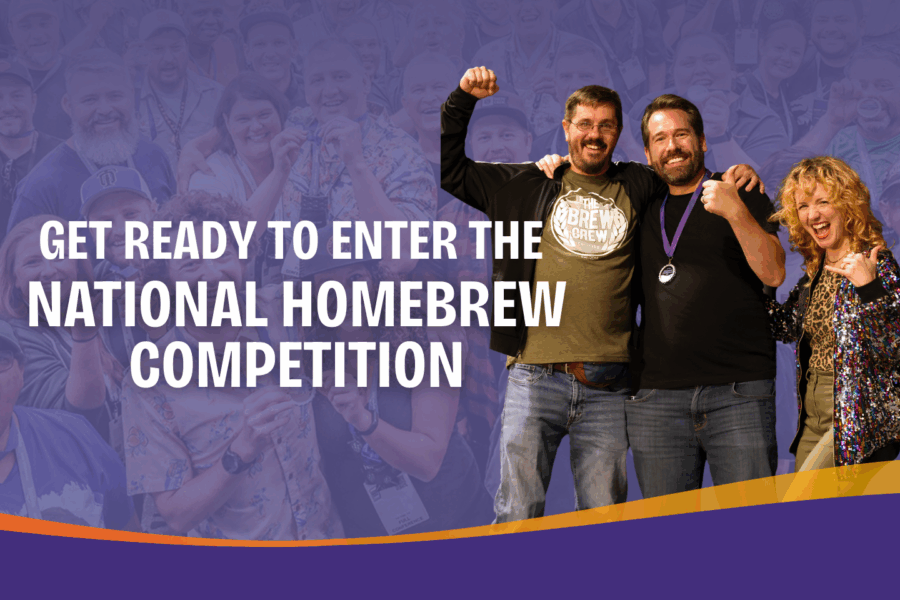
The American Homebrewers Association (AHA) has officially announced the commencement of preparations for the 2026 National Homebrew Competition (NHC), marking the 48th iteration of what is widely recognized as the world’s most prestigious and largest stage for amateur zymurgy. Since its inception in 1979, the competition has served as a cornerstone of the global fermentation community, evaluating more than 170,000 entries across nearly five decades. The 2026 event is poised to be a landmark occasion, representing the first full competition cycle since the AHA transitioned to an independent organizational structure in July 2025. This shift in governance is expected to bring a renewed focus on member-led initiatives and a streamlined approach to the judging of beer, mead, and cider.
The National Homebrew Competition is not merely a contest but a massive logistical undertaking supported by the Beer Judge Certification Program (BJCP). The BJCP provides the standardized style guidelines and the rigorous training required for the hundreds of certified judges who evaluate thousands of bottles each year. For the 2026 cycle, the AHA has indicated that the competition will continue to uphold the "Gold Standard" of blind sensory analysis, ensuring that every entrant receives comprehensive, professional-grade feedback regardless of whether they advance to the final rounds.
Historical Context and the Legacy of the NHC
The roots of the National Homebrew Competition are inextricably linked to the legalization of homebrewing in the United States. Following the 1978 signing of H.R. 1337 by President Jimmy Carter, which federally legalized the production of beer for personal use, the AHA launched the first NHC in 1979. At that time, the craft beer landscape was virtually non-existent, and the competition served as a vital laboratory for experimentation that would eventually fuel the American craft beer revolution.
Over the years, the NHC has evolved from a small gathering of enthusiasts into a multi-stage international event. Winning a medal at the NHC is often considered the highest honor an amateur brewer can achieve, frequently serving as a springboard for professional careers. Many of the industry’s most prominent figures, including the founders of iconic breweries like Sierra Nevada, Dogfish Head, and Bell’s Brewery, trace their technical origins back to the standards and community fostered by the NHC. The 170,000-entry milestone cited by the AHA underscores the massive scale of participation and the enduring relevance of the hobby in the face of changing beverage trends.
The July 2025 Independence: A Strategic Shift
Perhaps the most significant development leading into the 2026 competition is the AHA’s move toward independence in July 2025. Previously operating under the umbrella of the Brewers Association (BA)—a trade group representing commercial craft brewers—the AHA’s shift to an independent entity was motivated by a desire to return to its grassroots origins. This transition was overseen by the AHA Founding Board and the Events Committee, a group comprised of volunteer member leaders and dedicated staff.
According to industry analysts, this separation allows the AHA to prioritize the specific needs of homebrewers, which often differ from the legislative and commercial interests of professional breweries. The 2026 NHC will be the first major test of this new administrative model. The AHA has stated that the new staff and volunteer leadership have been working "giddily" to enhance the competition’s infrastructure, promising an event that is "bigger, better, and bursting with homebrewing glory." This independence is expected to manifest in more localized judging opportunities and a potentially more agile response to emerging fermentation trends, such as the rise of non-alcoholic homebrewing and alternative grain usage.
Competition Mechanics and Judging Rigor
The 2026 NHC will follow a proven two-stage format designed to manage the high volume of entries while maintaining the integrity of the results. In the first round, entries are typically judged at various regional sites across the United States. These sites are staffed by BJCP-certified judges who use a points-based system to evaluate entries on aroma, appearance, flavor, mouthfeel, and overall impression.
Only the highest-scoring entries from the regional rounds advance to the Final Round. The Final Round is traditionally held in conjunction with the AHA’s annual conference, Homebrew Con. The 2026 Final Round will involve a "Best-of-Show" style panel, where the top-performing beers, ciders, and meads are compared head-to-head to determine the medalists in dozens of specific style categories.
The categories for 2026 are expected to align with the most recent BJCP Style Guidelines, which are periodically updated to reflect the evolving understanding of historical styles and the birth of new ones. Entrants will have the opportunity to compete in categories ranging from classic European lagers and British ales to contemporary American IPAs, specialty fruit beers, and complex wood-aged meads.
Economic and Cultural Impact of Homebrewing
While the NHC is a competition for amateurs, its impact on the broader economy is substantial. The American homebrewing hobby contributes an estimated $600 million to $1 billion annually to the economy through the purchase of equipment, ingredients, and educational materials. Furthermore, the technical proficiency encouraged by the NHC ensures a steady pipeline of talent for the $28 billion U.S. craft beer industry.
The cultural significance of the NHC also cannot be overstated. It acts as a primary driver for innovation. Many styles that are now staples of the commercial market—such as New England IPA, Pastry Stouts, and various Wild Ales—were perfected in the kitchens and garages of homebrewers years before they achieved commercial viability. By providing a platform for feedback and recognition, the NHC incentivizes brewers to push the boundaries of fermentation science.
Timeline and Key Deadlines for the 2026 Cycle
While the AHA has kept some specifics under wraps until the formal announcement in February 2026, the general chronology of the event has been established. The timeline for the 2026 NHC is expected to follow this trajectory:
- February 2026: Full details release, including specific registration dates, entry fees, and the list of official competition categories. This will also include information on shipping locations and drop-off deadlines for the regional rounds.
- Spring 2026: The opening of the registration window. Due to the high demand, entry slots are often filled within days or even hours in certain regions.
- Late Spring 2026: Regional judging takes place across multiple hubs. Judges and stewards volunteer their time to process thousands of entries.
- Summer 2026: The Final Round of judging, culminating in the awards ceremony where the Homebrewer of the Year, Meadmaker of the Year, and Cidermaker of the Year are crowned.
The AHA has urged prospective participants to join their official newsletter to receive real-time updates, as the logistics of shipping volatile fermented beverages require precise timing to ensure samples arrive in peak condition.
Analysis of Implications: The Future of the Hobby
The announcement of the 2026 NHC comes at a time of transition for the beverage industry at large. With the rise of "sober-curious" movements and the increasing popularity of ready-to-drink (RTD) cocktails, the homebrewing community has faced challenges in maintaining growth. However, the AHA’s independence and the continued robustness of the NHC suggest a resilient core of enthusiasts.
By focusing on "invaluable judge feedback," the AHA is positioning the NHC not just as a trophy hunt, but as an educational tool. This focus on education is likely a strategic move to retain members and attract a younger demographic of DIY enthusiasts who value skill acquisition and craftsmanship over mere consumption.
Furthermore, the involvement of the BJCP ensures that the competition remains grounded in objective quality. As the 2026 NHC approaches, the focus will remain on whether the new, independent AHA can maintain the high logistical standards required for an event of this magnitude. If successful, the 2026 competition will not only celebrate 48 years of history but also solidify the foundation for the next half-century of amateur brewing excellence.
Conclusion and Outlook
As the world’s largest and most competitive homebrew competition prepares for its 48th year, the excitement within the community is palpable. The 2026 National Homebrew Competition represents a bridge between the storied history of the craft beer movement and a new era of independent advocacy for the hobby. With over 170,000 entries in its wake, the NHC remains the ultimate proving ground for those who seek to master the art and science of fermentation.
Prospective entrants are advised to begin their recipe development and yeast management strategies now, as the road to NHC glory is paved with rigorous practice and meticulous attention to detail. The full unveiling of the 2026 program in February will undoubtedly set the stage for another year of "homebrewing glory," reinforcing the AHA’s mission to promote the community of homebrewers and to empower them to make the best fermented beverages in the world.