
The American Homebrewers Association (AHA) has officially entered a new phase of its storied history by selecting Strategic Association Management (SAM), an accredited association management company based in Austin, Texas, to oversee its day-to-day operations. This announcement follows the AHA’s landmark transition to an independent nonprofit organization earlier this year, a move intended to provide the group with the autonomy and specialized focus required to navigate a shifting landscape for the homebrewing hobby. SAM, which began its management tenure in July, brings a wealth of experience in empowering mission-driven organizations, providing the AHA with the professional infrastructure necessary to execute its ambitious 2025 strategic plan.
The transition marks the end of a long-standing structural relationship with the Brewers Association (BA), which had served as the AHA’s parent organization for decades. By incorporating as a standalone entity in Colorado and seating a founding board of directors, the AHA is positioning itself to be more responsive to its members while doubling down on its mission to promote the art and science of fermentation. The partnership with SAM is designed to bolster the organization’s operational health, expand its educational reach, and ensure that the voice of the homebrewer remains influential in the broader beverage industry.
A Legacy of Fermentation Advocacy: From 1978 to Independence
To understand the significance of this management shift, one must look back to the origins of the American Homebrewers Association. Founded in 1978 by Charlie Papazian—a figure often cited as the "godfather" of the craft beer movement—the AHA was established at a time when homebrewing was still technically illegal under federal law. It was only after President Jimmy Carter signed H.R. 1337 in late 1978 that the hobby was decriminalized at the federal level, paving the way for the AHA to become the central hub for enthusiasts.
For nearly half a century, the AHA has acted as the primary advocate for home fermenters, offering resources ranging from technical brewing recipes to legal lobbying efforts. The organization was instrumental in the formation of the Brewers Association, which represents the interests of small and independent professional craft brewers. However, as the professional craft beer industry grew into a multi-billion-dollar juggernaut, the needs of the hobbyist homebrewer and the professional brewer began to diverge.
The decision to become independent, finalized in January 2025, allows the AHA to return to its roots as a purely member-driven organization. This autonomy is critical as the hobby faces modern challenges, including changing consumer preferences and a post-pandemic shift in how hobbyists engage with community organizations. The AHA’s new status as a 501(c) nonprofit (pending application) reinforces its commitment to public education and community service rather than commercial interests.
The Role of Strategic Association Management (SAM)
The selection of Strategic Association Management (SAM) is a calculated move to professionalize the AHA’s administrative and strategic functions. SAM is an accredited Association Management Company (AMC), a designation that signifies adherence to the highest standards of organizational management, financial oversight, and member services. By outsourcing its operational needs to SAM, the AHA can leverage a full team of experts in marketing, communications, event planning, and financial management without the overhead costs of maintaining a large, permanent internal staff.
Based in Austin, Texas, SAM is known for its "growth with purpose" philosophy. Their involvement began in the summer of 2024, providing a bridge during the transition from the Brewers Association. The new AHA team under SAM is currently working closely with the founding board of directors to implement strategic priorities. This includes modernizing the AHA’s digital presence, streamlining membership renewals, and enhancing the value proposition for the thousands of homebrewers who rely on the organization for education and community.
Chronology of the Transition
The path to independence and the partnership with SAM followed a deliberate timeline:
- January 2024: The AHA and the Brewers Association announced a plan for the AHA to become an independent entity, citing the need for the AHA to have its own dedicated focus and governance.
- Early 2024: The AHA incorporated as a nonprofit in Colorado and established a founding board of directors, led by Chair Shawna Cormier.
- July 2024: Strategic Association Management (SAM) was selected and began managing day-to-day operations, providing a seamless transition period for members.
- January 2025: The AHA officially became independent from the Brewers Association, launching its new governance structure.
- Mid-2025: The AHA and SAM began the full implementation of the 2025 Strategic Plan, focusing on volunteer leadership and expanded programming.
Supporting Data: The Current State of Homebrewing
The AHA’s transition comes at a pivotal time for the hobby. According to industry data, there are approximately 1.1 million homebrewers in the United States. These enthusiasts contribute significantly to the economy, spending an estimated $700 million to $1 billion annually on ingredients, equipment, and educational resources. Furthermore, homebrewing remains the primary "incubator" for the professional craft beer industry; an estimated 90% of professional brewers started as homebrewers.
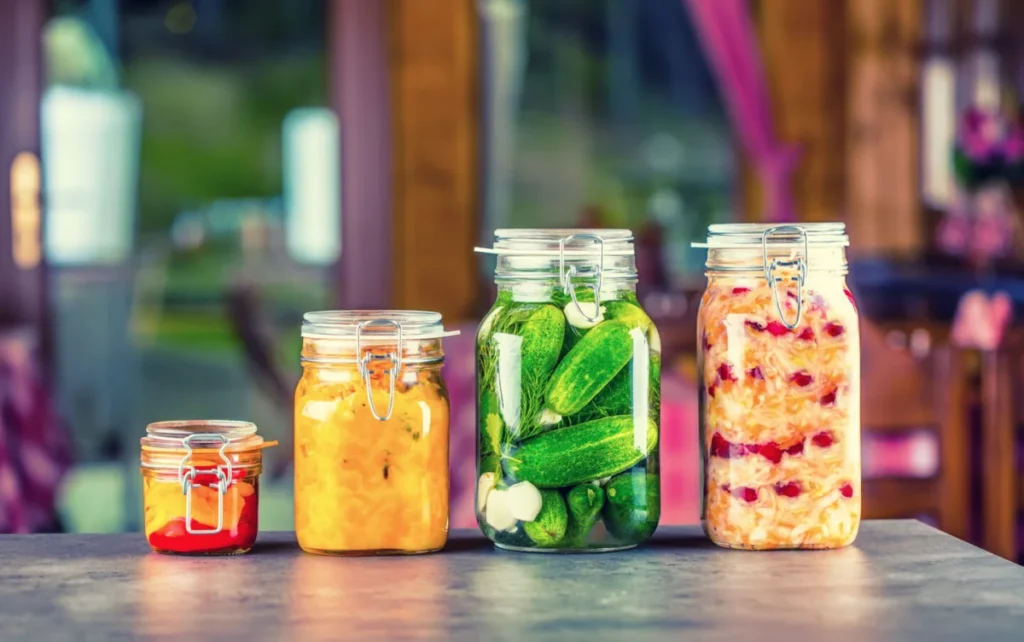
However, the hobby has faced headwinds in recent years. The proliferation of high-quality craft beer in retail environments has, in some ways, reduced the "necessity" of brewing at home to access unique styles. Additionally, the rise of "ready-to-drink" (RTD) cocktails and non-alcoholic beverages has diversified the interests of fermentation enthusiasts. The AHA’s strategic pivot is aimed at addressing these trends by expanding the definition of "homebrewing" to include a wider array of fermented products, such as mead, cider, kombucha, and fermented foods.
The 2025 Strategic Plan: A Roadmap for Growth
The partnership with SAM is central to the execution of the AHA’s 2025 Strategic Plan. This roadmap focuses on four primary pillars designed to ensure the organization’s longevity:
- Operational Health and Sustainability: By utilizing SAM’s infrastructure, the AHA aims to achieve a more robust financial footing. This includes diversifying revenue streams beyond membership dues, such as sponsorships and specialized educational content.
- Expansion of Educational Programming: The AHA plans to enhance its digital library and technical resources. This includes updating its "validated" recipe database and leveraging Zymurgy magazine—the longest-running publication dedicated to the hobby—to reach a younger, more diverse audience.
- Strengthening Volunteer Leadership: A key goal for 2025 is the revitalization of AHA committees and volunteer roles. The organization recognizes that its strength lies in its grassroots community, and it is actively seeking to empower local homebrew club leaders to take on national roles.
- Inclusivity and Community Building: The AHA’s vision of "a homebrewer in every neighborhood" requires a concerted effort to reach underrepresented groups in the fermentation community. The 2025 plan includes initiatives to make the hobby more accessible to women, people of color, and younger enthusiasts.
Leadership Perspectives and Industry Impact
Executive Director Julia Herz has been a vocal advocate for the AHA’s independence. Herz, a well-known figure in the beer world and a former executive at the Brewers Association, emphasized that the move is about focus. "The hobby of homebrewing faces real challenges," Herz stated. "As the national voice since 1978, we’re stepping up. Independence gives the AHA freedom and focus to grow, and SAM is the perfect AMC to help."
Shawna Cormier, the Founding Board Chair, echoed this sentiment, describing the transition as a "movement." She noted that the board has hit the ground running to create an organization rooted in collaboration and fun. The reaction from the broader brewing community has been largely positive. Many industry analysts believe that a strong, independent AHA is vital for the health of the professional craft beer sector, as homebrewers are the most educated and passionate consumers in the market.
Analysis of Implications
The AHA’s move to an AMC model is a trend seen in many professional and hobbyist associations that seek to remain lean while maximizing member value. For the AHA, the implications are three-fold:
First, the organization can now lobby and advocate specifically for the rights of homebrewers without potential conflicts of interest with professional brewing lobbyists. This is particularly important for issues like the transport of homebrew across state lines for competitions or the clarification of tax laws regarding home fermentation.
Second, the partnership with SAM allows the AHA to modernize its signature events. The National Homebrew Competition (NHC) and Homebrew Con remain the gold standards for the community. With SAM’s event management expertise, these gatherings can be optimized to attract a broader range of participants, potentially including "pro-am" collaborations and specialized tracks for non-beer fermentation.
Third, the AHA’s independence allows it to be more agile. In a rapidly changing media environment, the ability to pivot its content strategy—moving from traditional print to interactive digital formats—is essential. The support of SAM’s communications team will likely result in a more robust social media presence and a more user-friendly digital experience for members.
Future Outlook
As the AHA moves further into 2025, the success of this transition will be measured by member retention and the growth of local homebrew clubs. The organization’s mission to "celebrate and promote the art, science, and joy of fermentation" remains unchanged, but the methods by which it achieves this mission are being completely revitalized.
With the operational support of Strategic Association Management and the visionary leadership of its founding board, the American Homebrewers Association is well-positioned to remain the leading authority for home fermenters for another fifty years. By embracing independence, the AHA is not just preserving a legacy; it is actively shaping the future of a community that has, since 1978, changed the way the world thinks about beer.