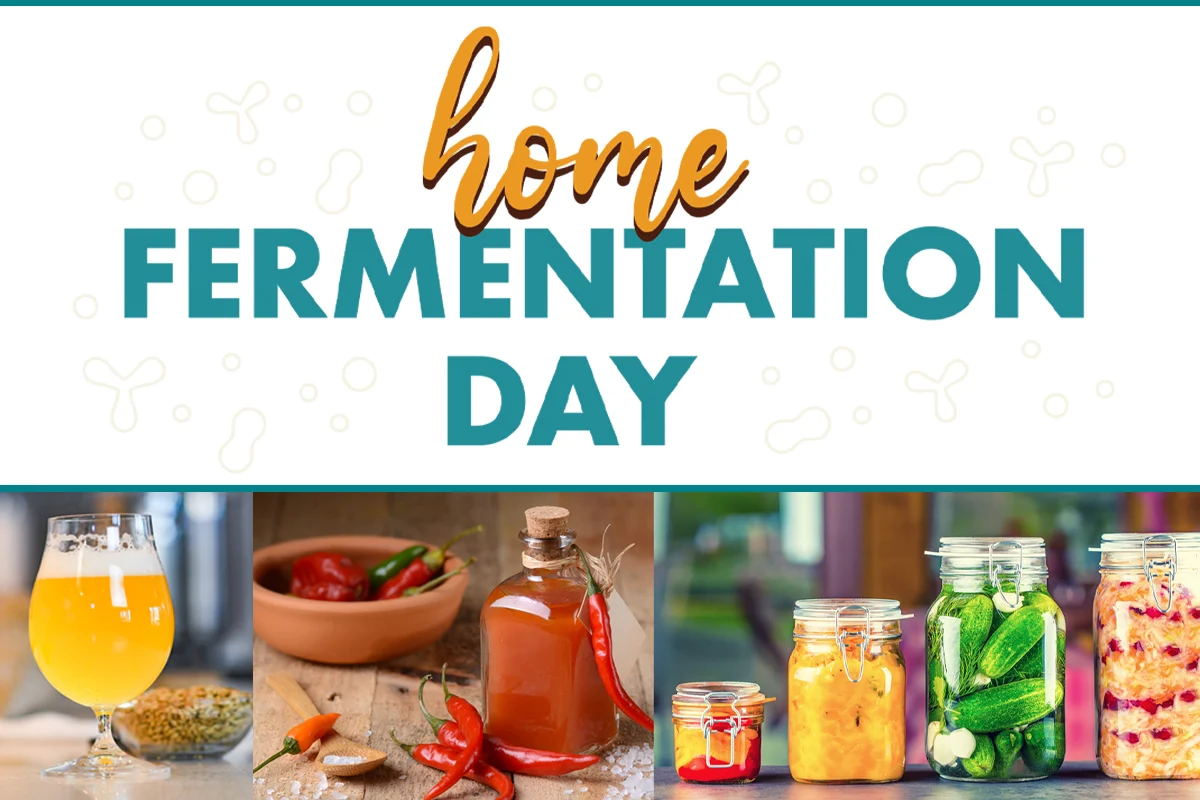

The American Homebrewers Association (AHA) officially observed Home Fermentation Day on August 1, 2025, signaling a significant expansion of the organization’s mission to encompass the broader spectrum of fermented foods and beverages. While the association has historically focused on the production of malt-based beverages, this year’s celebration highlights a strategic pivot toward a more inclusive definition of fermentation, ranging from traditional ales and lagers to probiotic-rich foods such as kimchi, sauerkraut, and kombucha. The event serves as a focal point for a growing demographic of hobbyists who view domestic fermentation not merely as a pastime, but as a critical component of food sovereignty, health wellness, and culinary exploration.
The Evolution of Home Fermentation Day
Home Fermentation Day represents a modernized iteration of the AHA’s long-standing commitment to educational outreach. Historically, the association’s primary public event was "Big Brew," held in May to celebrate National Homebrew Day. However, as consumer interests have diversified, the AHA recognized the need for a secondary observance that addresses the non-alcoholic and culinary aspects of the craft.
The 2025 observance comes at a time when the "DIY" (Do-It-Yourself) movement has transitioned from a niche subculture into a mainstream lifestyle choice. By designating August 1 as Home Fermentation Day, the AHA aims to capture the late-summer harvest period, where an abundance of fresh produce provides the ideal raw materials for vegetable fermentation. The organization has utilized this date to launch a comprehensive suite of digital resources, including instructional tutorials, standardized recipes, and troubleshooting guides designed to lower the barrier to entry for novice fermenters.
Historical Context and the Rise of the AHA
To understand the significance of Home Fermentation Day, one must look at the trajectory of the American Homebrewers Association. Founded in 1978 by Charlie Papazian in Boulder, Colorado, the AHA was established shortly before the federal legalization of homebrewing in the United States. President Jimmy Carter signed H.R. 1337 into law in late 1978, which removed federal restrictions and taxes on beer and wine produced for personal or family use.
Over the ensuing four decades, the AHA grew into a division of the Brewers Association (BA), representing over 37,000 members. While the 1980s and 1990s were characterized by a focus on replicating commercial beer styles, the 21st century has seen a "fermentation renaissance." This era is defined by a cross-pollination of techniques: brewers are increasingly using lactic acid bacteria found in yogurt or sauerkraut to create sour beers, while culinary enthusiasts are applying brewing sanitation standards to create consistent batches of kombucha and kefir.
The Economic and Social Drivers of Domestic Fermentation
The surge in interest surrounding home fermentation is supported by several key economic and social variables. Market analysis suggests that the global fermented food and beverage market is projected to grow at a compound annual growth rate (CAGR) of approximately 5.6% through 2030. This growth is mirrored in the domestic sector, where sales of home fermentation kits—ranging from airlocked mason jar lids to sophisticated temperature-controlled conical fermenters—have seen steady year-over-year increases.
Gut Health and Probiotic Awareness
A primary driver of this trend is the increasing scientific and public focus on the human microbiome. Clinical research linking gut health to immune function, mental health, and metabolic stability has prompted consumers to seek out "living" foods. Home fermentation allows individuals to control the ingredients and ensure the presence of live cultures, which are often neutralized by pasteurization in commercial products.
Sustainability and Waste Reduction
From an environmental perspective, home fermentation is being positioned as a solution to food waste. Fermentation was originally developed as a preservation method before the advent of refrigeration. In 2025, the AHA is emphasizing this "zero-waste" aspect, encouraging gardeners and consumers to ferment surplus seasonal produce that would otherwise expire. This methodology aligns with broader sustainability goals by reducing the carbon footprint associated with industrial food processing and long-distance transportation.
Technical Scope: From Beer to Kimchi
The 2025 Home Fermentation Day resources highlight the technical diversity of the craft. The AHA’s current curriculum categorizes fermentation into three primary biological pathways, each offering different challenges and rewards for the home practitioner.
1. Alcoholic Fermentation (Saccharomyces cerevisiae)
This remains the cornerstone of the AHA’s expertise. It involves the conversion of sugars into ethanol and carbon dioxide by yeast. Beyond beer, the association is providing expanded data on mead (honey wine) and cider. The 2025 initiative includes specific data on "short meads"—lower alcohol versions of the ancient beverage that can be produced and consumed in a fraction of the time required for traditional sack meads.
2. Lactic Acid Fermentation (Lactobacillus)
This is the dominant process for vegetables like kimchi and sauerkraut, as well as dairy products like yogurt. The AHA has introduced new safety protocols for "wild fermentation," teaching hobbyists how to harness the naturally occurring bacteria on the skins of vegetables while maintaining the proper pH levels and salinity to inhibit the growth of harmful pathogens like Clostridium botulinum.
3. Acetic Acid Fermentation (Acetobacter)
Crucial for the production of kombucha and artisanal vinegars, this process requires an oxygen-rich environment and a symbiotic culture of bacteria and yeast (SCOBY). The AHA’s 2025 guides focus on the "continuous brew" method, which allows for a perpetual harvest of kombucha, making the process more efficient for household consumption.
Institutional Support and Community Reaction
The Brewers Association, the parent organization of the AHA, has expressed strong support for the broadening of Home Fermentation Day. In statements regarding the 2025 event, industry analysts suggest that a more "fermentation-literate" public benefits the craft brewing industry as a whole. Consumers who understand the complexities of fermentation are more likely to appreciate high-quality commercial products and support local artisanal producers.
"The expansion of Home Fermentation Day reflects the reality of the modern kitchen," noted a spokesperson for the association. "Our members are no longer just brewers; they are biologists in their own right, managing complex ecosystems in jars and carboys. By providing them with the scientific tools to succeed, we are fostering a more robust culture of appreciation for all fermented crafts."
Local homebrewing clubs across the United States have also reacted positively to the inclusive nature of the event. Many clubs reported holding "interdisciplinary" meetings in late July and early August, where members exchanged not only bottles of homebrewed IPA but also jars of spicy kimchi and bottles of ginger-infused kombucha. This cross-categorical engagement is seen as a way to revitalize club memberships, which had seen a slight plateau in the years following the craft beer boom of the 2010s.
Analysis of Broader Implications
The institutionalization of Home Fermentation Day by the AHA carries several long-term implications for the food and beverage industry. First, it challenges the traditional regulatory boundaries between "food" and "alcohol." As more people produce kombucha (which can contain trace amounts of alcohol) and "session" meads at home, the legal definitions of domestic production may face future scrutiny or calls for further deregulation in various jurisdictions.
Second, the movement represents a shift toward "de-industrialization" of the diet. By empowering individuals to produce their own fermented staples, the AHA is participating in a broader trend of consumer autonomy. This shift is particularly notable among younger demographics (Gen Z and Millennials), who prioritize transparency, artisanal quality, and health-conscious consumption.
Finally, the educational focus of the 2025 event highlights a growing need for microbiological literacy. As the AHA provides more sophisticated data on strain selection and fermentation kinetics, the line between "hobbyist" and "citizen scientist" continues to blur. The data collected by thousands of home fermenters—regarding yeast performance at various altitudes or the effect of local water profiles on vegetable crispness—contributes to a vast, informal body of knowledge that often precedes commercial innovation.
Conclusion
The American Homebrewers Association’s celebration of Home Fermentation Day on August 1, 2025, serves as a testament to the enduring relevance of ancient biological processes in a high-tech world. By bridging the gap between the brewhouse and the kitchen, the AHA is ensuring that the art of fermentation remains a vital, accessible, and evolving practice. As the organization continues to provide DIY recipes, tutorials, and a platform for community engagement, it reinforces the idea that fermentation is not just a method of food preparation, but a foundational element of human culture and health. Whether through a perfectly carbonated ale or a pungent, probiotic-rich batch of sauerkraut, the spirit of Home Fermentation Day encourages a deeper connection to the food we consume and the microscopic world that makes its transformation possible.