
The American Homebrewers Association (AHA) has officially opened the application process for the prestigious position of National Homebrew Competition (NHC) Chair, a volunteer leadership role that anchors the world’s most significant event for amateur zymurgists. The search, directed by AHA Executive Director Julia Herz, aims to identify a dedicated community leader to oversee the competition’s operations from December 1, 2025, through July 31, 2026. This appointment comes at a pivotal time for the organization as it continues to expand its global footprint and reinforce the standards of excellence in homebrewed beer, mead, and cider. Interested candidates are required to submit a formal resume and a statement of interest by the November 10 deadline to the AHA executive leadership.
The National Homebrew Competition Chair serves as the primary face of the event, bridging the gap between the administrative functions of the AHA and the thousands of volunteers, judges, and entrants who participate annually. While the position is a volunteer role, it carries immense weight within the craft beverage industry. The selected individual will be tasked with stewarding a competition that has, since its inception in 1979, evaluated nearly 170,000 entries. The role is designed for a person with deep roots in the brewing community, offering a stipend to cover travel expenses and providing a platform for global recognition within the fermentation sciences and hobbyist circles.
Historical Context and the Evolution of the NHC
To understand the significance of the NHC Chair, one must look at the history of the American Homebrewers Association itself. Founded in 1978 by Charlie Papazian in Boulder, Colorado, the AHA was established shortly after the federal legalization of homebrewing in the United States. The inaugural National Homebrew Competition followed just one year later in 1979, debuting with a modest 34 entries. Over the ensuing four decades, the competition has mirrored the explosive growth of the American craft beer revolution. Many of the most celebrated professional brewmasters in the world today began their careers by submitting bottles to the NHC, seeking the rigorous feedback provided by the competition’s world-class judging panels.
The NHC has evolved into a multi-stage behemoth. It is no longer just a contest; it is a massive logistical undertaking that involves regional judging sites across the United States before culminating in the final round and awards ceremony. The competition is widely regarded as the "Olympics of Homebrewing," where a gold medal can define a brewer’s reputation for a lifetime. The Chair’s role is to ensure that this legacy of integrity and excellence remains intact, overseeing the fair evaluation of entries and the professional conduct of the judging staff.
Core Responsibilities and Strategic Leadership
The NHC Chair is responsible for a wide array of strategic and operational duties. Beyond the symbolic representation of the awards, the Chair must engage in high-level planning that begins months before the first bottle is uncapped. Key responsibilities include the recruitment and management of volunteer leaders, the coordination of judging schedules, and the maintenance of the competition’s rigorous standards. The Chair works in close collaboration with the AHA staff to ensure that the competition’s rules reflect current brewing trends while adhering to the foundational guidelines of the Beer Judge Certification Program (BJCP).
A critical component of the role is the promotion of the competition. The Chair is expected to act as an ambassador, encouraging participation from diverse brewing communities and ensuring that the NHC remains inclusive and accessible. This involves interfacing with homebrew clubs, which the AHA views as the bedrock of the brewing community. With the AHA’s vision of having "a homebrewer in every neighborhood and a homebrew club in every community," the Chair’s leadership is vital in translating this vision into a tangible, celebrated event.
Operational Timeline and Milestone Responsibilities
The tenure of the Competition Chair is structured around several critical milestones that dictate the rhythm of the homebrewing calendar. Following the appointment in December 2025, the Chair immediately enters the planning phase.
December 2025 – January 2026: Strategy and Infrastructure
During the initial months, the Chair focuses on finalizing the competition’s categories and judging criteria. This period involves coordinating with regional site directors to ensure that facilities are secured for the preliminary rounds. The Chair also assists in the digital infrastructure setup, ensuring that the entry registration system is robust enough to handle the influx of thousands of participants.
February 2026 – April 2026: Registration and Logistics
As registration opens, the Chair monitors entry counts and geographic distribution. This data is essential for allocating judging resources and ensuring that each regional site is adequately staffed with certified judges and stewards. The Chair also begins the process of sourcing high-quality glassware, sorting equipment, and logistical support for the thousands of shipments that will arrive at judging locations.
May 2026 – June 2026: The Judging Phase
The most intense period of the tenure occurs during the judging rounds. The Chair oversees the first round of evaluations, where entries are narrowed down to the best in each category. This requires constant communication with site leads to troubleshoot issues ranging from broken shipments to judge shortages. The Chair ensures that the sensory evaluation environment remains consistent across all locations to maintain the competition’s scientific and objective standards.
July 2026: Final Round and Awards Ceremony
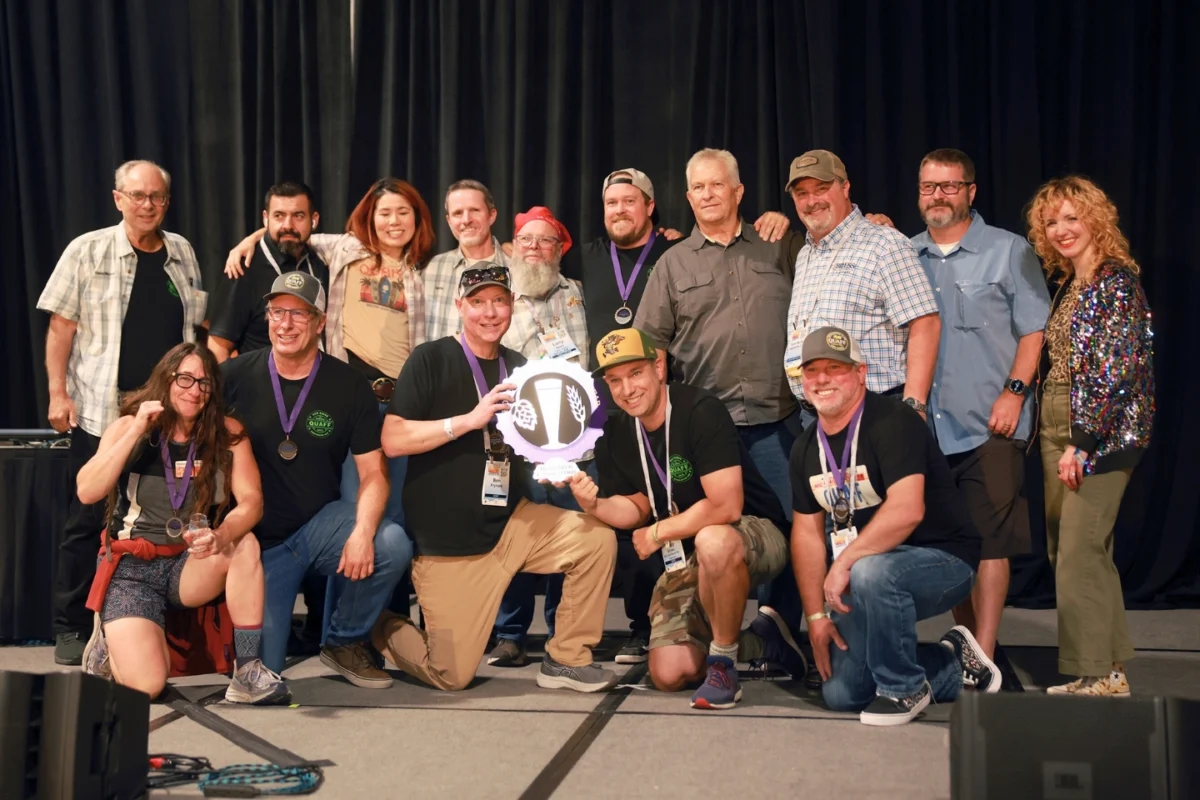
The culmination of the Chair’s efforts takes place in July, typically coinciding with the annual Homebrew Con (the AHA’s national conference). The Chair presides over the final round of judging, where the "Best of Show" winners are determined. The experience reaches its peak at the NHC Awards Ceremony, where the Chair takes the stage to announce the winners before an audience of thousands of homebrewers, industry professionals, and media representatives.
Supporting Data: The Scale of the Competition
The scale of the National Homebrew Competition provides a clear picture of why a dedicated Chair is necessary. The AHA currently serves a membership base of approximately 20,000 individuals. While not every member enters the competition, the event attracts entries from all 50 states and numerous international locations. In recent years, the competition has seen a surge in non-beer categories, with mead and cider entries showing significant year-over-year growth.
The logistical requirements are staggering. Evaluating thousands of entries requires hundreds of BJCP-certified judges and an even larger number of stewards. Each entry is typically evaluated by at least two judges, who provide written feedback to the brewer. This educational component is what sets the NHC apart from many other competitions; it is not merely about winning, but about providing homebrewers with the data and sensory analysis they need to improve their craft.
Inferred Industry Reactions and Broader Impact
Industry analysts suggest that the NHC Chair role is more than just a volunteer position; it is a talent scout for the broader craft beer industry. Julia Herz, the Executive Director of the AHA, has frequently emphasized that homebrewers are the "R&D department" of the brewing world. By leading the NHC, the Chair oversees the discovery of new techniques, ingredients, and flavor profiles that eventually trickle up to professional breweries.
The craft beer industry, which contributes billions of dollars to the U.S. economy, owes much of its innovation to the homebrewing community. The NHC provides a standardized platform for this innovation to be recognized. Consequently, the Chair’s ability to maintain the competition’s prestige directly impacts the credibility of the awards. A medal from the NHC is often featured prominently on the resumes of aspiring professional brewers, and the Chair is the ultimate guarantor of that medal’s value.
Implications for the Future of the AHA
The search for a new NHC Chair also highlights the AHA’s commitment to its "Homebrewers Association 2.0" initiative, which focuses on modernization, diversity, and community engagement. By seeking a "passionate community leader," the AHA is signaling that it wants a Chair who can navigate the changing demographics of the brewing hobby. As younger generations and more diverse populations enter the fermentation space, the NHC must adapt its outreach and judging culture to remain relevant.
Furthermore, the appointment of a Chair with a fixed eight-month term ensures that the competition benefits from fresh perspectives while maintaining a structured succession plan. This model allows the AHA to tap into the expertise of different leaders within the community, each bringing their unique strengths to the world’s largest homebrew stage.
Application and Participation Details
The AHA has made the application process straightforward to encourage a wide pool of candidates. Applicants must send their resume and a concise statement of interest directly to Julia Herz. The statement of interest is expected to outline the candidate’s experience in competition management, their standing within the homebrewing community, and their vision for the 2026 NHC season.
The role requires a significant time commitment, particularly during the spring and summer months of 2026. However, the rewards—ranging from the travel stipend to the opportunity to influence the direction of the hobby—make it one of the most sought-after volunteer positions in the world of craft beverages. As the November 10 deadline approaches, the brewing community waits to see who will be chosen to lead the next chapter of this historic competition.
In conclusion, the National Homebrew Competition Chair is a role that blends logistical mastery with community leadership. It is a position that honors the past traditions of the American Homebrewers Association while steering the organization toward a future where homebrewing remains a vibrant, essential part of global beer culture. The individual selected for the 2026 season will not only manage a competition but will also inspire the next generation of brewers to push the boundaries of what is possible in a five-gallon carboy.