
The American Homebrewers Association (AHA), a division of the Brewers Association and the primary advocacy group for amateur zymologists in the United States, has officially announced a comprehensive restructuring of its membership offerings scheduled for 2026. This strategic realignment aims to streamline organizational operations, enhance member value, and ensure the long-term sustainability of the association’s advocacy and educational programs. Central to this update is the sunsetting of monthly membership options in favor of a consolidated annual model, alongside a transparent adjustment to pricing structures to account for modern digital processing costs.
Founded in 1978 by Charlie Papazian, the AHA has grown into the world’s largest community for homebrewers, serving as a vital link between the hobbyist community and the broader craft brewing industry. As the organization prepares for its 50th anniversary in the coming years, the 2026 changes represent a proactive effort to adapt to the evolving economic landscape and the shifting preferences of its global membership base.
Strategic Realignment and the 2026 Vision
The AHA’s stated vision—placing a homebrewer in every neighborhood and a homebrew club in every community—serves as the foundation for the upcoming changes. According to the association, the 2026 roadmap is the result of a "thoughtful look" at how membership tiers align with the actual needs of the community. By simplifying the entry points for new and returning members, the AHA intends to dedicate more resources to its core pillars: advocacy, education, competition, and community support.
The transition reflects a broader trend among hobbyist non-profits to move away from high-churn, high-administrative-cost models like monthly subscriptions. By focusing on annual commitments, the AHA can better predict its revenue streams, which in turn allows for more robust planning of large-scale events such as Homebrew Con and the National Homebrew Competition (NHC).
Updated Membership Tiers and Pricing Structure
Effective for the 2026 cycle, the AHA has defined three primary membership tiers. These tiers are designed to cater to domestic individuals, households, and the growing international homebrewing community.
1. Standard 1-Year Membership ($49): This remains the flagship offering, providing full access to all member benefits. Notably, this tier includes both print and digital access to Zymurgy magazine, the AHA’s long-standing publication that provides technical articles, recipes, and industry news.
2. Family Membership ($79): Recognizing that homebrewing is often a shared household activity, the Family Membership extends benefits to multiple residents of the same household. This includes eligibility for events and competitions where individual membership is typically a prerequisite.
3. International Membership ($49): Aimed at the global brewing community, this tier offers full digital benefits and access to the Zymurgy archives. While it excludes print mailings due to the prohibitive cost of international shipping, it ensures that brewers outside the United States remain connected to the AHA’s technical resources.
In a move toward fiscal transparency, the AHA addressed a slight increase in the total cost of these products. The association noted that as a non-profit, it incurs significant credit card processing fees for online transactions. In a balanced approach to cost-sharing, the AHA has opted to absorb approximately 50% of these processing fees, with the remaining half reflected in the final membership price. This decision highlights the inflationary pressures facing non-profit organizations in the digital age.
The Sunsetting of Monthly Memberships: Data and Timeline
The most significant operational change is the discontinuation of the monthly membership option. As of February 25, 2026, the AHA has officially "sunset" this tier, meaning no new monthly subscriptions will be accepted.
Data provided by the AHA reveals that monthly memberships represented a very small segment of the total community, accounting for only approximately 3% of the overall membership base. Despite the low enrollment, the monthly model required a disproportionate amount of administrative oversight and higher aggregate processing fees.
Transition Timeline for Monthly Members:
- February 25, 2026: Monthly membership option officially removed for new sign-ups.
- February – July 2026: Existing monthly members are "grandfathered" into their current plans, allowing them to continue their benefits without immediate interruption.
- July 31, 2026: All remaining monthly memberships will conclude. At this juncture, members will be invited to transition to one of the annual tiers.
The AHA has indicated that this simplification of the payment process will allow the Member Services team to focus on higher-value activities, such as expanding the "AHA Member Deals" program and enhancing digital educational content. Furthermore, the association is exploring the introduction of multi-year membership options, which would offer long-term savings for dedicated members.
Historical Context and the Importance of Advocacy
To understand the impact of the AHA’s restructuring, one must look at the organization’s historical role in the legalization and protection of homebrewing. In 1978, when the AHA was founded, homebrewing was still technically illegal under federal law due to a holdover from Prohibition. The AHA was instrumental in the passage of the Cranston Act (H.R. 1337), signed by President Jimmy Carter, which legalized homebrewing at the federal level in 1979.
However, legalization at the state level took decades longer. The AHA led the charge in advocacy efforts that finally saw homebrewing become legal in all 50 states when Alabama and Mississippi passed legislation in 2013.
In 2026, the advocacy mission remains critical. The AHA continues to represent homebrewers’ interests in legislative halls, fighting for the right to transport homebrew to competitions, the ability of homebrew clubs to meet in commercial taprooms, and the removal of antiquated "statutory limits" on annual production. Membership dues directly fund these government affairs initiatives, which are often conducted in partnership with the Brewers Association’s professional lobbying efforts.
Education, Competition, and Community Impact
Beyond the legislative arena, the AHA serves as the primary educational hub for the hobby. Zymurgy magazine, established in 1978, remains the gold standard for brewing literature. The 2026 membership tiers ensure continued access to this resource, which has published thousands of peer-reviewed recipes and technical breakthroughs in fermentation science.
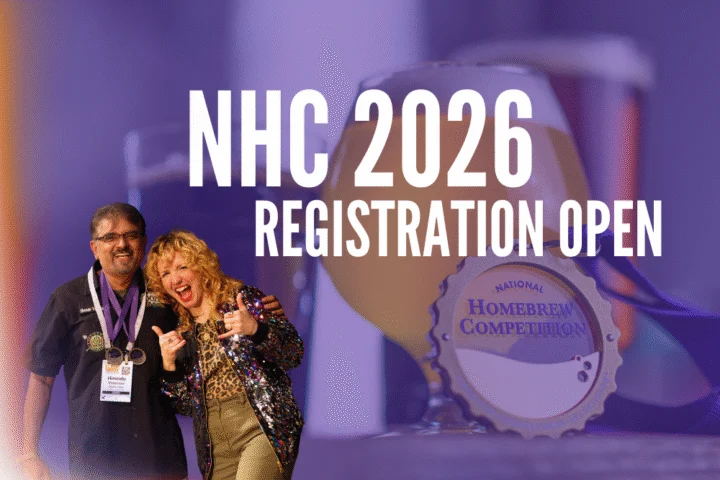
The association also oversees the National Homebrew Competition, the world’s largest international homebrew competition. By participating in the NHC, members receive professional feedback on their beers, ciders, and meads, a process that has historically served as a training ground for the professional craft brewing industry. Data suggests that a significant percentage of the owners and head brewers of the nearly 10,000 craft breweries in the U.S. began their journeys as AHA members.
The community aspect is further bolstered by the AHA’s support of local homebrew clubs. There are currently over 1,500 registered homebrew clubs worldwide. The AHA provides these clubs with insurance resources, recruitment tools, and a platform to connect with like-minded enthusiasts, reinforcing the "neighborhood" vision outlined in their 2026 mission statement.
Industry Analysis: Implications for the Hobbyist Sector
The decision to streamline membership comes at a time of stabilization for the homebrewing industry. After a massive surge in interest during the 2020-2021 pandemic lockdowns, the hobby has returned to a more sustainable, albeit slower, growth trajectory. By moving to an annual-only model, the AHA is essentially prioritizing its "core" user base—the dedicated hobbyists who view homebrewing as a long-term pursuit rather than a passing interest.
From a financial perspective, the move is a defensive measure against the rising costs of print media and event logistics. By securing annual commitments, the AHA reduces the "churn" associated with monthly subscribers who might join for a single month to download a specific recipe or enter a single competition. This ensures that the benefits provided by the association remain exclusive to those who contribute to the organization’s year-round mission.
Conclusion and Future Outlook
The American Homebrewers Association’s 2026 membership update is a calculated step toward modernization. By addressing the inefficiencies of the monthly membership model and being transparent about the economic realities of digital transactions, the AHA is positioning itself to remain the dominant voice in the homebrewing world for the next generation.
As the July 31, 2026, deadline for monthly members approaches, the brewing community will be watching closely to see how the association rolls out its promised "longer-term membership" options. For now, the AHA remains focused on its primary goal: ensuring that the art of homebrewing remains a protected, celebrated, and accessible hobby for all. Through its 2026 vision, the association reaffirms its commitment to the individuals and clubs that form the backbone of the global craft beer revolution.