
Alex Shirazi, a prominent figure in the cultivated meat industry known for his work in public education through conferences and podcasts, has launched a new initiative aimed at bridging the gap between the laboratory and the dinner table. His latest project, "A Scientist’s Cookbook," a Kickstarter-backed endeavor, seeks to demystify cultivated meat by exploring its practical applications in home cooking. This move signals a significant step in Shirazi’s long-standing commitment to making this nascent food technology more accessible and understandable to the general public, as the industry inches closer to widespread commercialization.
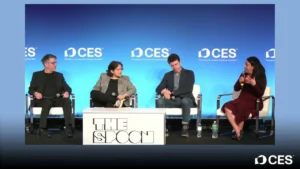
Shirazi’s vision for the cookbook stems from a perceived void in the public discourse surrounding cultivated meat. While the scientific advancements and ethical debates have garnered considerable attention, the tangible reality of how these products will integrate into daily culinary practices has remained largely unexplored. "While there is plenty of discussion about cultivated meat, very little attention is paid to how it actually shows up in everyday life," Shirazi stated during an appearance on The Spoon Podcast. This observation underscored his belief that a practical, recipe-driven approach was necessary to prepare consumers for the impending arrival of cultivated meat products in grocery stores.
Bridging the Gap: From Science Fiction to the Kitchen
The genesis of "A Scientist’s Cookbook" can be traced back to Shirazi’s broader efforts to educate and engage the public on cultivated meat. His previous work, including co-founding the Cultured Meat Symposium in 2018, has been instrumental in fostering dialogue within the industry and with external stakeholders. The symposium, which has become a cornerstone event for researchers, entrepreneurs, and policymakers, has witnessed the industry’s evolution from a speculative concept to a tangible sector attracting significant investment and regulatory attention.
Shirazi’s first foray into authorship, "Where Do Hot Dogs Come From?", was a children’s book designed to introduce the fundamental concepts of cultivated meat to younger audiences. This was a strategic move, anticipating a future where these products would be commonplace. "The idea was that if this technology is actually going to be out in the next 10 to 15 years, a children’s book would allow us to get early readers interested in this technology," Shirazi explained. "And then by the time they’re making food decisions, it will actually be in their grocery stores." This forward-thinking approach highlights Shirazi’s commitment to long-term public engagement and education.
The transition to "A Scientist’s Cookbook" reflects a shift in focus from foundational understanding to practical application. Initially conceived as a resource for teenagers and young adults, Shirazi recognized the blurring lines of culinary expertise. "I realized that there are a lot of teenagers who have way more advanced skills than some of the adults I’ve talked to," he noted. This realization led to a broader framing of the cookbook, making it a comprehensive guide for anyone interested in incorporating cultivated meat into their existing cooking habits. The book aims to be grounded and familiar, avoiding futuristic speculation and instead focusing on the immediate future of food.
The Cookbook’s Approach and Digital Integration
"A Scientist’s Cookbook" is designed to be more than just a collection of recipes. It seeks to provide a foundational understanding of cultivated meat, explaining the science behind its production in an accessible manner, and then translating that knowledge into practical culinary techniques. The project emphasizes that these products are not a distant dream but are slated for grocery store shelves in the near future. The cookbook’s core mission is to address "that missing step" – the transition from purchasing a novel ingredient to preparing a delicious and familiar meal.
A key feature of the cookbook’s digital component is its adaptive nature. As cultivated meat products become more diverse and widely available, the digital platform is intended to evolve with new recipes, ingredient substitutions, and information on emerging markets. This dynamic approach ensures the cookbook remains a relevant and valuable resource throughout the ongoing development and integration of cultivated meat into the global food system. It acknowledges that the culinary landscape will continue to shift as the technology matures and regulatory frameworks adapt.
Evolution of the Cultured Meat Symposium
Beyond his authorship, Shirazi has also been a pivotal figure in shaping industry discourse through the Cultured Meat Symposium. After several years of independent organization, the founding team recently transitioned the brand’s ownership to the UK-based FutureProof Group. This strategic move is intended to ensure the symposium’s continued growth and reach, with plans to host events in both North America and Europe.

"They were really excited to actually continue the brand," Shirazi commented on the acquisition. "For us as a founding team, we saw that they wanted to continue it, and now I’m actually really excited to say that the first Chicago edition of CMS is taking place at the end of this month." This handover allows Shirazi to remain connected to the cultivated meat ecosystem while dedicating more time and energy to his personal projects, such as the cookbook.
Broader Implications for Food Technology and Consumer Acceptance
The launch of "A Scientist’s Cookbook" arrives at a critical juncture for the cultivated meat industry. Global investment in alternative proteins, including cultivated meat, has seen exponential growth in recent years. According to data from the Good Food Institute (GFI), global investment in plant-based and cultivated meat and dairy companies reached $5 billion in 2021, a significant leap from $3.1 billion in 2020 and $1.9 billion in 2019. This surge in funding reflects growing investor confidence and consumer interest in sustainable and ethical food production methods.
However, widespread consumer adoption hinges on several factors, including price parity, taste, texture, and, crucially, familiarity. Shirazi’s cookbook directly addresses the familiarity aspect, aiming to demystify the product and integrate it into established culinary traditions. By providing practical guidance on how to cook with cultivated meat, the cookbook can help overcome potential consumer hesitation and foster a sense of culinary comfort.
The implications of this shift are far-reaching. As cultivated meat moves from niche research to mainstream consumption, educational tools that bridge the technical and the everyday are essential. A successful cookbook can not only empower consumers to experiment with new ingredients but also contribute to a more informed public dialogue about the future of food. This could, in turn, accelerate regulatory approvals and market penetration, creating a more robust and sustainable food system.
Analyzing the Consumer Acceptance Landscape
Consumer acceptance of novel food technologies has historically been a complex interplay of factors, including perceived benefits, safety concerns, and cultural norms. For cultivated meat, early skepticism often centered on the "unnaturalness" of the production process. Shirazi’s approach, by focusing on familiar cooking methods and demystifying the science, directly confronts these potential barriers.
The cookbook’s emphasis on practical application can be seen as a strategic move to normalize cultivated meat. When consumers can easily envision and execute recipes using this new ingredient, it becomes less of an abstract scientific concept and more of a tangible food item. This psychological shift is vital for market success. Furthermore, the digital component’s ability to adapt to evolving product availability and consumer feedback suggests a commitment to ongoing engagement, a crucial element for long-term adoption.
The success of this initiative could also influence how other emerging food technologies are introduced to the public. By providing a clear, accessible, and practical roadmap for incorporating cultivated meat into daily life, Shirazi’s cookbook sets a precedent for future educational efforts in the food tech space. It underscores the importance of not only scientific innovation but also effective communication and consumer empowerment.
The Future of Food, One Recipe at a Time
Shirazi’s dedication to making cultivated meat accessible is evident in his multifaceted approach. From children’s books to industry symposiums and now a practical cookbook, he has consistently worked to inform and engage a broad audience. The launch of "A Scientist’s Cookbook" represents a culmination of these efforts, offering a tangible pathway for consumers to interact with and embrace the future of food.
"Food can be made like this," Shirazi remarked, expressing his conviction in the potential of cultivated meat. "I think it’s actually a good thing to show people that." This sentiment encapsulates the project’s core objective: to transform a futuristic concept into a relatable culinary experience, thereby fostering greater understanding, acceptance, and ultimately, integration of cultivated meat into our diets. The cookbook, therefore, is not just a collection of recipes; it is a testament to the ongoing effort to shape a more sustainable and innovative food future, grounded in the familiar rituals of the kitchen.