
The transformative potential of Artificial Intelligence (AI) in the food sector is a subject of intense discussion, often framed through the lens of innovation hubs and established economies. However, a broader perspective reveals that the impact of such a powerful technology on the global food system, particularly in regions grappling with fundamental challenges, necessitates a more nuanced and inclusive examination. This critical juncture demands a deep dive into how AI can be leveraged to address pervasive issues like hunger and food insecurity, especially in areas where basic infrastructure remains a significant hurdle.
The stark reality of global hunger and inadequate access to healthy diets underscores the urgency of this conversation. As of recent estimates, approximately 673 million people worldwide suffer from hunger, and over 2.6 billion individuals lack access to a nutritious diet. These figures, compiled by organizations like the Food and Agriculture Organization of the United Nations (FAO), paint a grim picture of the current state of global food security. The global food system is a complex tapestry, woven not only with threads of technological advancement but also significantly influenced by the disruptive forces of climate change, geopolitical conflicts, and economic volatility.
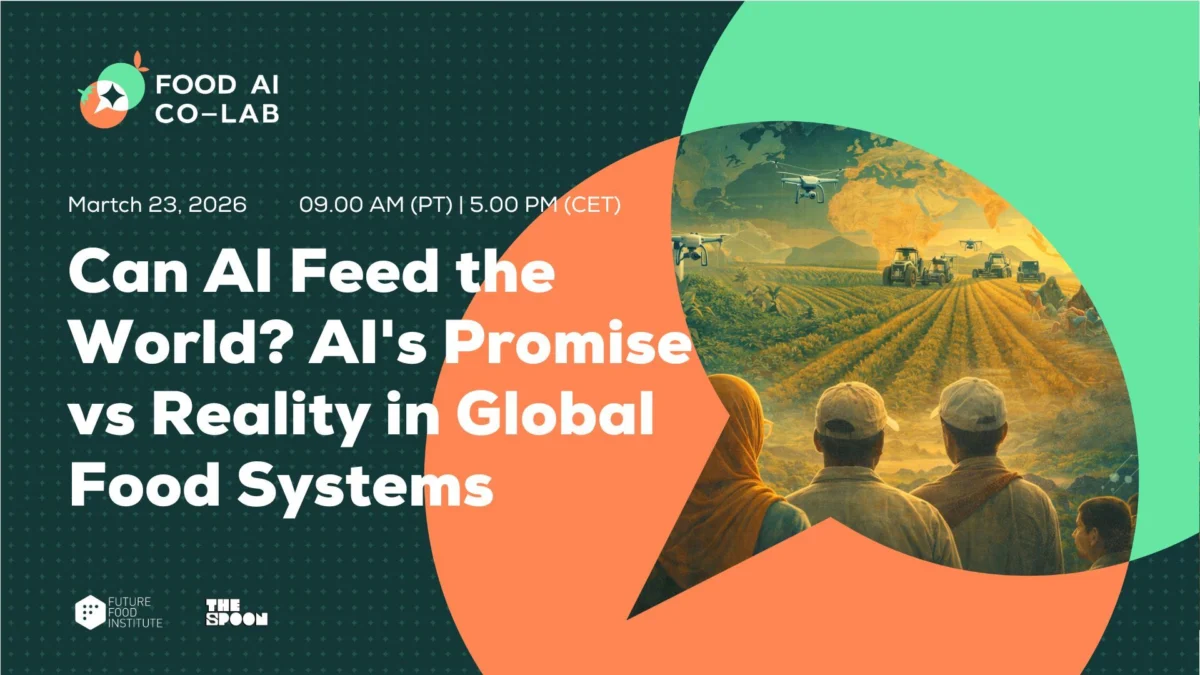
Understanding the role of AI in this intricate landscape requires shifting the focus from advanced applications in developed nations to its potential impact in diverse global contexts. This was the central theme of a recent virtual discussion hosted by The Spoon, featuring David Laborde, Director of the Agrifood Economics Division at the FAO. The conversation, which took place on [Insert Date of Discussion – e.g., March 15, 2026, based on the image date], aimed to explore practical applications of AI in regions where essential infrastructure, such as reliable internet connectivity and robust data systems, is still developing.
The Scope of the Challenge: Hunger and Food Insecurity
The statistics on global hunger and malnutrition are staggering. The FAO’s "The State of Food Security and Nutrition in the World" reports consistently highlight the scale of the problem. For instance, the 2023 edition of the report indicated that hunger numbers had been on the rise for several years, exacerbated by the COVID-19 pandemic, conflicts, and climate extremes. The persistence of these issues, even in an era of unprecedented technological progress, points to systemic challenges that require multifaceted solutions.
Beyond outright hunger, the issue of dietary quality is equally concerning. A "healthy diet" is defined by the FAO as one that is affordable, accessible, and nutritionally adequate, promoting optimal physical and mental development. The lack of access to such diets contributes to a double burden of malnutrition, where undernutrition coexists with overweight and obesity, often within the same communities. This complex health challenge is deeply intertwined with economic status, food availability, and cultural dietary patterns.
AI’s Potential in Underserved Regions: Bridging the Infrastructure Gap
The discussion with David Laborde underscored a crucial point: the application of AI in food systems cannot be a one-size-fits-all approach. In many parts of the world, the primary barriers to food security are not a lack of advanced technology but rather the absence of basic necessities. This includes:
- Limited Connectivity: Many rural and remote areas lack reliable internet access, which is fundamental for most AI-driven solutions that rely on cloud computing and real-time data exchange.
- Inadequate Data Infrastructure: The collection, storage, and analysis of agricultural and food system data are often rudimentary or non-existent in developing regions. This lack of foundational data hinders the development and deployment of AI models.
- Low Digital Literacy: Farmers and other stakeholders may have limited experience or training with digital tools and technologies, requiring accessible and user-friendly AI applications.
- Resource Constraints: Smallholder farmers, who form the backbone of food production in many developing countries, often operate with limited financial resources, making the adoption of expensive AI technologies a significant challenge.
Despite these challenges, Laborde’s perspective, as articulated in the conversation, suggests that AI can still offer tangible benefits. The focus, therefore, shifts to developing AI solutions that are context-appropriate, robust, and designed to work within existing infrastructural limitations. This might involve:

- Offline AI Models: Developing AI algorithms that can operate with limited or no internet connectivity, processing data locally on devices.
- Low-Bandwidth Solutions: Creating applications that require minimal data transfer, making them viable in areas with intermittent or slow internet.
- Leveraging Existing Mobile Technology: Utilizing the widespread adoption of mobile phones, even basic feature phones, as platforms for AI-powered agricultural advice or market information.
- Focus on Data Collection Tools: Developing AI-assisted tools for more efficient and accurate data collection, even in low-tech environments.
Key Discussion Points: Data Ownership, Farmer Rights, and Equity
The conversation delved into several critical ethical and practical considerations that are paramount when discussing the implementation of AI in global food systems. These include:
Data Ownership and Control
As AI systems become more integrated into agriculture, questions surrounding data ownership and control become increasingly important. In many developing contexts, data generated by farmers – information about their land, crops, yields, and practices – is a valuable asset. Ensuring that farmers retain ownership and control over this data is crucial to prevent exploitation and to empower them to benefit from its use. This involves:
- Transparent Data Policies: Clear and understandable policies regarding data collection, usage, and sharing are essential.
- Farmer Consent Mechanisms: Robust systems for obtaining informed consent from farmers before their data is collected or used.
- Data Cooperatives: Exploring models where farmers can collectively own and manage their data, potentially forming data cooperatives that can negotiate terms with technology providers.
- Preventing Data Monopolies: Safeguarding against the concentration of data power in the hands of a few large corporations, which could disadvantage smallholder farmers.
Farmer Rights and Empowerment
AI technologies have the potential to significantly impact the livelihoods of farmers. It is imperative that these technologies are deployed in ways that empower farmers rather than disempower them. This includes:
- Access to Information and Knowledge: AI can provide farmers with tailored advice on best practices, pest and disease management, and optimal planting times, leading to improved yields and reduced losses.
- Market Access: AI-powered platforms can connect farmers directly to markets, reducing reliance on intermediaries and potentially securing better prices for their produce.
- Financial Inclusion: AI can be used to assess creditworthiness for smallholder farmers who may lack traditional financial records, improving their access to loans and insurance.
- Skill Development: Investing in training programs to equip farmers with the skills needed to utilize AI tools effectively and to understand their implications.
Inequality and the Digital Divide
A significant concern is that the benefits of AI might not be evenly distributed, potentially exacerbating existing inequalities. The digital divide – the gap between those who have access to and can use digital technologies and those who cannot – is a formidable barrier. Addressing this requires proactive strategies:
- Affordable Technology: Developing AI solutions that are cost-effective and accessible to smallholder farmers.
- Inclusive Design: Ensuring that AI tools are designed with the needs and capabilities of diverse user groups in mind.
- Public-Private Partnerships: Collaboration between governments, NGOs, and the private sector to create an enabling environment for AI adoption that benefits all stakeholders.
- Focus on Public Goods: Prioritizing AI applications that address public good aspects of food security, such as early warning systems for crop failures or climate resilience initiatives.
The Broader Context: Climate Shocks, Conflict, and Economic Instability
The conversation implicitly acknowledged that technological solutions, including AI, operate within a larger, often volatile, global context. The FAO and other international bodies have consistently pointed to the interconnectedness of these factors:
- Climate Change: Extreme weather events – droughts, floods, heatwaves – are becoming more frequent and intense, devastating agricultural production and disrupting food supply chains. AI can play a role in climate forecasting, precision agriculture, and developing climate-resilient crops, but its efficacy is contingent on its accessibility and adoption by those most vulnerable to climate impacts.
- Conflict and Displacement: Geopolitical conflicts disrupt food production, displace populations, and sever supply lines, leading to acute food crises. While AI cannot directly resolve conflicts, it can aid in humanitarian efforts by optimizing food aid distribution and providing early warning systems for potential food shortages in conflict-affected areas.
- Economic Instability: Global economic downturns, inflation, and currency fluctuations impact food prices and affordability, pushing more people into food insecurity. AI could potentially help optimize supply chains to reduce costs, but its impact is limited if the underlying economic structures remain unstable.
Building Resilient and Sustainable Food Systems
The ultimate goal of integrating AI into the global food system should be to foster resilience and sustainability. This means creating systems that can withstand shocks, adapt to changing environmental conditions, and provide nutritious food for all in the long term. The discussion highlighted that this requires a holistic approach:
- Integrated Data Platforms: Developing interoperable data systems that can integrate information from various sources – weather, soil, markets, farmer inputs – to provide comprehensive insights.
- AI for Early Warning Systems: Utilizing AI to predict potential crop failures, disease outbreaks, or market disruptions, allowing for proactive interventions.
- Precision Agriculture in Diverse Settings: Adapting precision agriculture techniques, often associated with high-tech farming, to the needs of smallholder farmers through simplified, AI-powered tools.
- Sustainable Resource Management: Employing AI to optimize water usage, fertilizer application, and land management practices, thereby reducing environmental impact.
- Circular Economy Principles: Exploring how AI can support the development of circular food systems, minimizing waste and maximizing resource efficiency.
Looking Ahead: The Call to Action
The conversation with David Laborde served as a crucial reminder that the narrative around AI in food must extend beyond innovation for its own sake. It must be grounded in the pressing realities of global hunger and inequality. The insights shared underscore the need for:
- Prioritizing Accessibility: Ensuring that AI technologies are designed and deployed in ways that are accessible and affordable for farmers in low-resource settings.
- Empowering Local Stakeholders: Centering the needs and knowledge of local communities, including farmers, in the development and implementation of AI solutions.
- Fostering Collaboration: Encouraging partnerships between governments, international organizations, research institutions, and the private sector to drive inclusive AI adoption.
- Ethical Frameworks: Developing and enforcing robust ethical guidelines for AI development and deployment in the food sector, with a strong emphasis on data privacy, ownership, and equitable benefit-sharing.
The path forward requires a commitment to innovation that is not only technologically advanced but also deeply human-centered, addressing the fundamental right to food and the urgent need for a more equitable and sustainable global food system. The potential of AI is immense, but its true value will be realized only when it serves to uplift the most vulnerable and contribute to a world where no one goes hungry.