
The culinary world is abuzz with the intersection of traditional baking techniques and innovative flavor profiles, a trend exemplified by the recent collaboration between pastry author Rebecca Firkser and The Perfect Loaf, a prominent online resource for sourdough enthusiasts. This partnership has culminated in the unveiling of a unique Sourdough Discard Cocoa Galette Crust recipe, promising to elevate the rustic charm of galettes with a subtle, sophisticated twist. The recipe, an adaptation from Firkser’s acclaimed cookbook, Galette!, brings together the tangy depth of sourdough discard with the nuanced bitterness of cocoa powder, creating a pastry base that is both familiar and excitingly novel.
The Genesis of a Unique Recipe
Rebecca Firkser’s cookbook, Galette!, published in June, serves as a comprehensive guide to the art of the freeform pastry. With over 50 sweet and savory recipes, the book has been lauded for its thoroughness and accessible approach. However, Firkser, a meticulous baker, noted an "accidental omission" – the absence of a crust variation utilizing sourdough starter discard. This oversight, attributed to page limitations rather than oversight, has now been rectified through her collaboration with Maurizio, the proprietor of The Perfect Loaf.
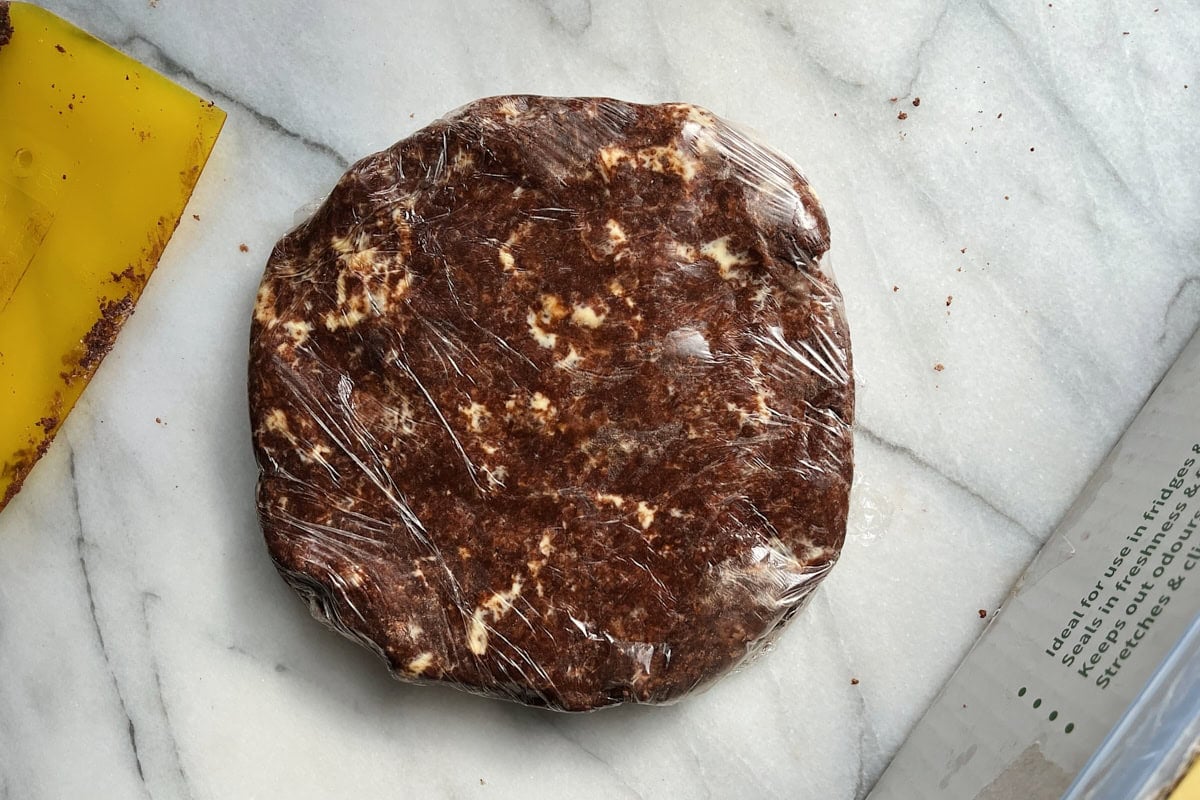
"When I received Rebecca Firkser’s Galette! I knew I was going to love it," Maurizio noted in a statement accompanying the recipe’s release. "It’s your kitchen manual for all things flour + butter in galette form, and if you’re a fan of these two like I am, you’ll love it too. What strikes me most about her book (besides the smart design and wide range of recipes) is just how thoroughly considered it is—Rebecca starts with the fundamentals but then methodically addresses every question you might encounter when working with galette dough. For a flour nerd like me, I was most excited about the crust variations, ways to use alternative flours like buckwheat, cornmeal, whole wheat, and the focus of today’s recipe: cocoa."
The decision to feature a sourdough discard recipe on The Perfect Loaf is a natural synergy. Sourdough starter, a living culture of flour and water, shares the foundational ingredients of pastry. Maurizio already boasts a well-regarded sourdough pie crust recipe, which can also be employed for galettes. However, the objective with this new offering was to introduce a distinct flavor profile, making both recipes valuable to bakers.
Understanding the Cocoa Infusion
The core of this new recipe lies in the adaptation of Firkser’s "A Good Crust" recipe from her book. The primary alteration involves substituting a portion of the all-purpose flour with cocoa powder. This substitution is not merely for aesthetic appeal; it introduces a subtle complexity to the crust.
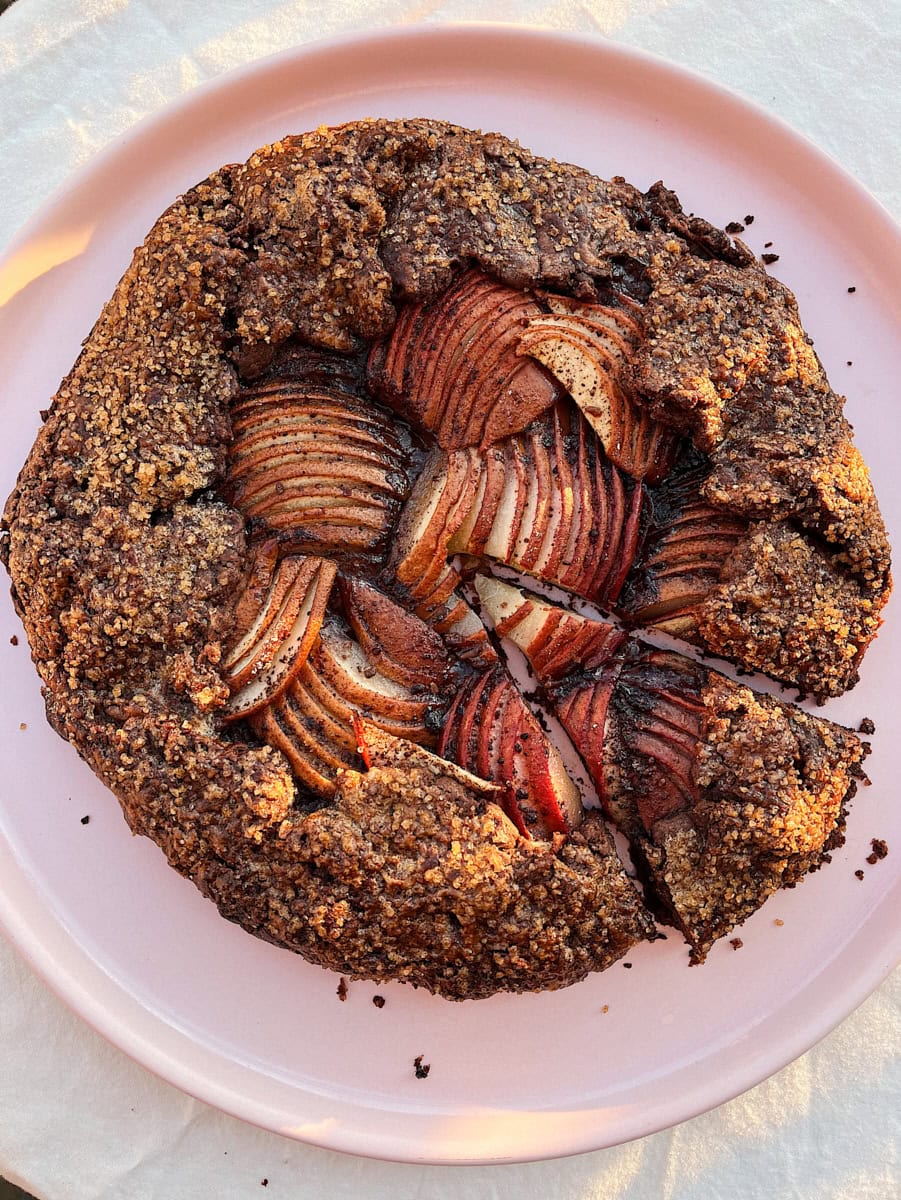
"My crust recipe is made with all-purpose flour (AP), and to adapt it to incorporate some cocoa powder, I reduced some, but not tons, of the AP," Firkser explained. "Cocoa, which is not a grain, actually absorbs more liquid than flour, so you may need to add a bit more water to properly hydrate the dough, but not too much as it can quickly get sticky and hard to work with."
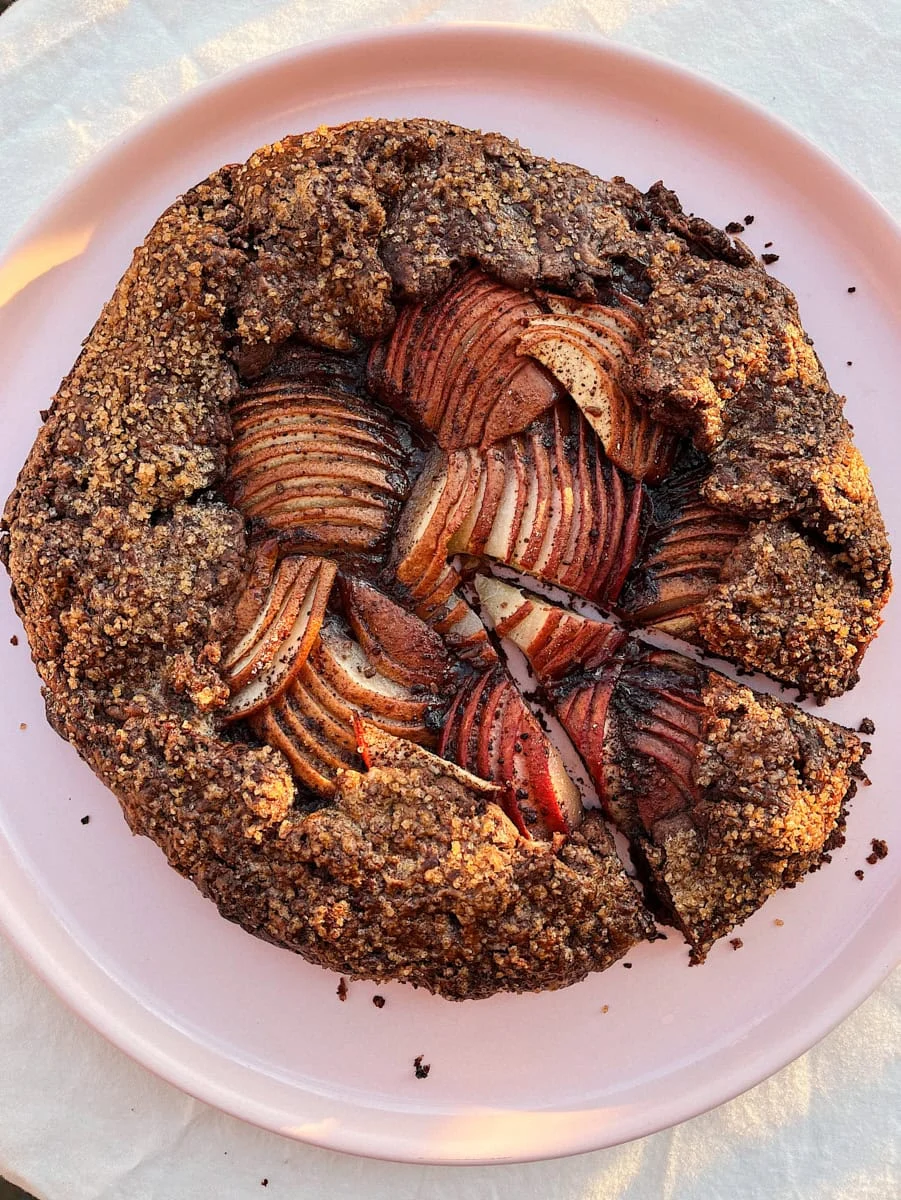
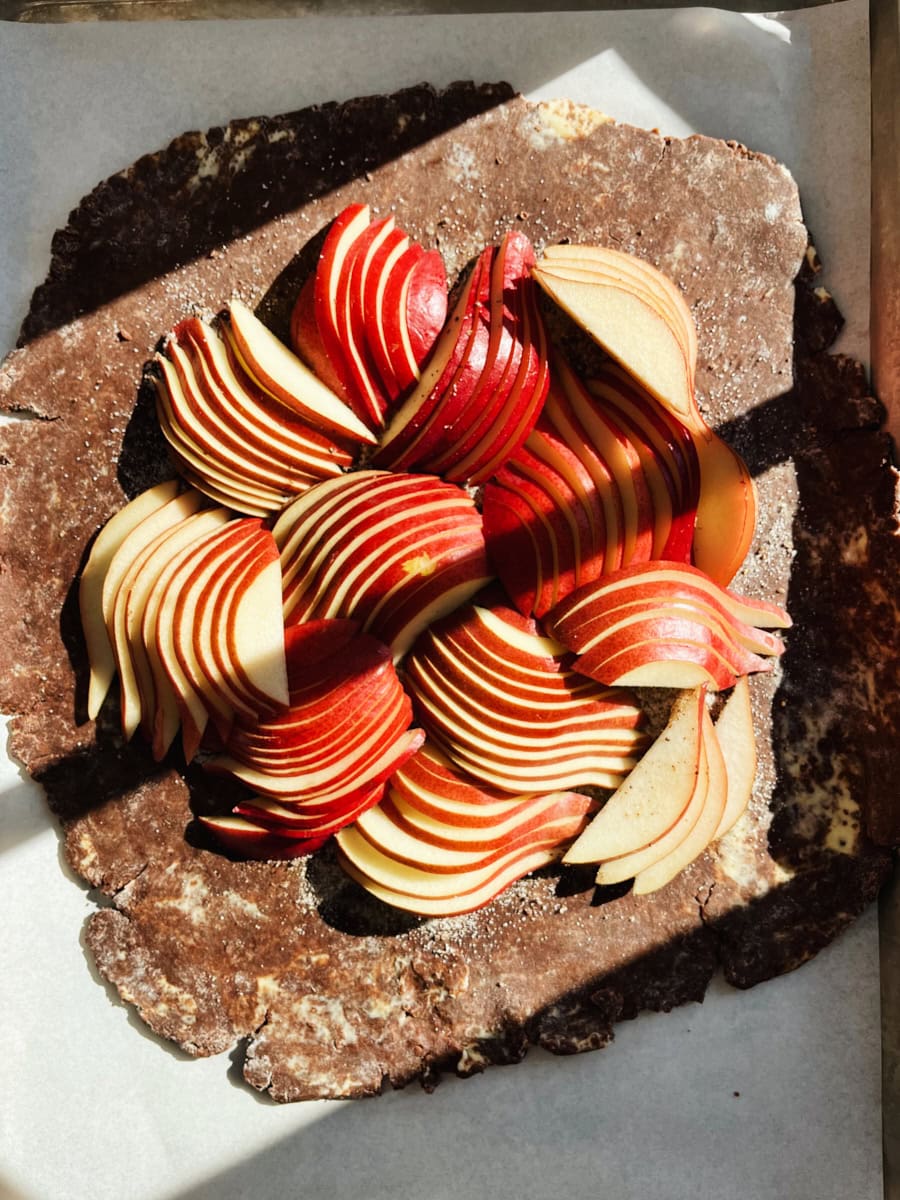
In Firkser’s adaptation, approximately a quarter cup (25 grams) of all-purpose flour is replaced with 30 grams (about 1/3 cup) of either natural or Dutch-process cocoa powder. The resulting flavor is described not as intensely chocolatey, but rather as possessing a "toasty-fruity bitterness," a characteristic that Firkser believes pairs exceptionally well with autumnal fruits. The accompanying imagery showcases this with a Pear with Sumac and Ginger galette, highlighting the crust’s versatility.
Key Baking Considerations for the Cocoa Crust
The development of this recipe involved careful consideration of several factors to ensure optimal results:
-
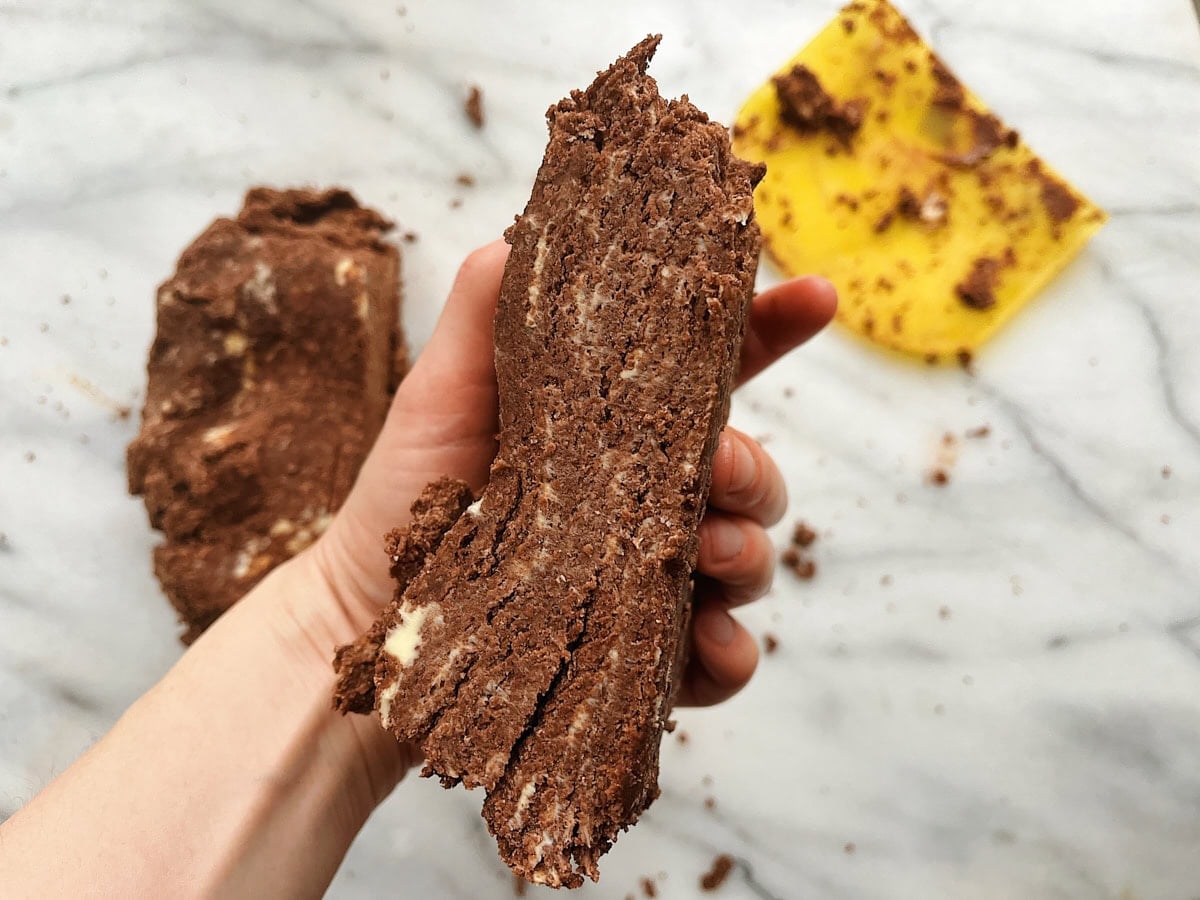
Sifting the Cocoa Powder: A common challenge with cocoa powder is its tendency to clump. To prevent unwelcome pockets of unmixed cocoa in the delicate galette dough, Firkser strongly advises sifting the cocoa powder before incorporating it with the dry ingredients. If a baker forgets this step, she suggests working the dry mixture with hands before adding butter to break up any cocoa lumps.
-
Butter Selection: The recipe accommodates both American-style and European-style butter, acknowledging the distinct properties of each. American butter, typically more affordable, has a slightly higher water content, leading to a less rich flavor but a firmer texture that can be easier for novice bakers to handle. European-style butter, with its higher fat content and softer texture, offers superior flavor but may require additional chilling time for the dough, especially in warmer kitchen environments. Firkser notes that unlike some of her other sourdough discard recipes that call for browned butter to reduce water content, this recipe uses butter as is.
-
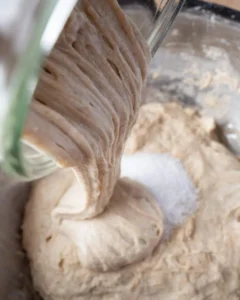
The Role of Sourdough Discard: A significant element of this recipe is the incorporation of sourdough starter discard. Firkser experimented with various ratios of discard, water, all-purpose flour, and cocoa powder. The recipe allows for a flexible amount of discard, ranging from 55 grams (¼ cup) up to 138 grams (½ cup plus 2 tbsp). The inclusion of discard contributes to the dough’s structure and imparts a subtle tang. While a cocoa crust may be slightly less flaky and more delicate than a purely grain-based crust, its success is not compromised.
-
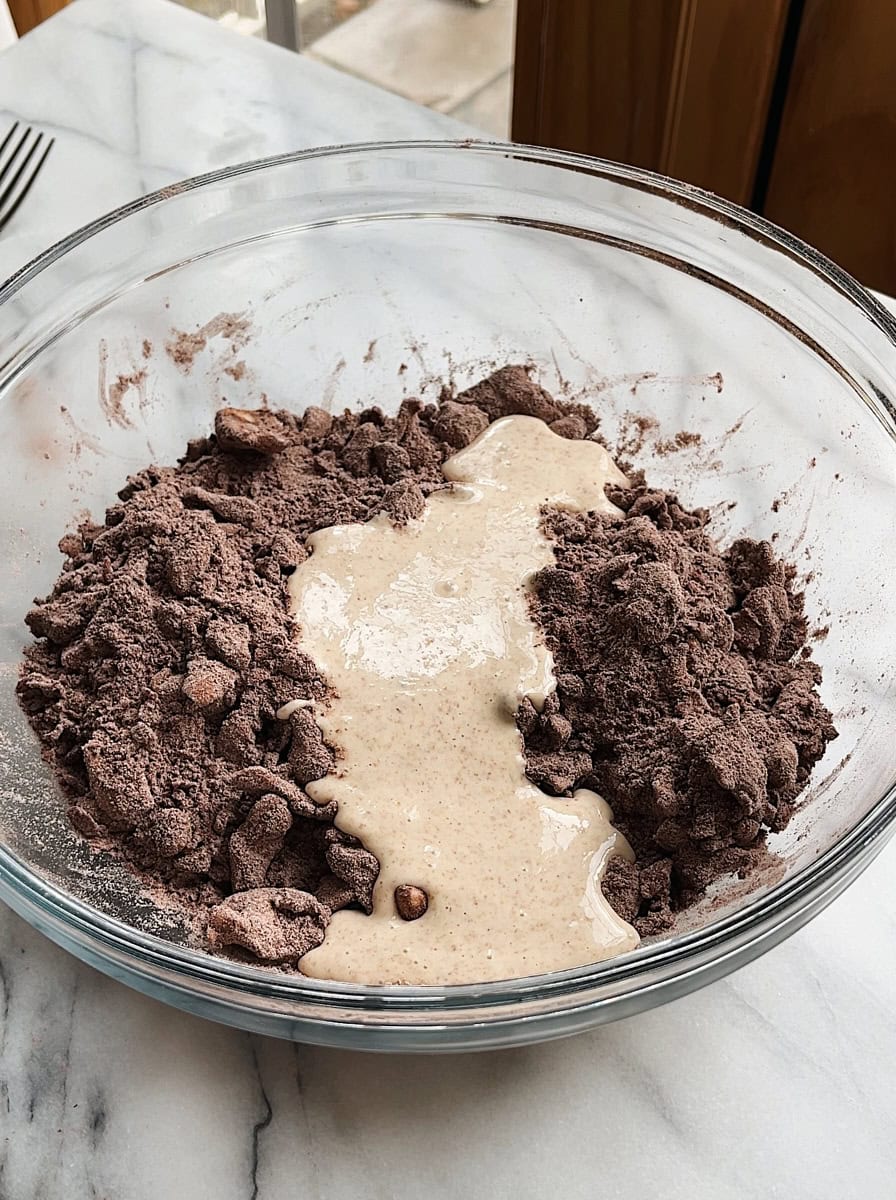
Hydration and Water Addition: Due to cocoa powder’s higher liquid absorption compared to flour, the dough often requires a small addition of water. Firkser recommends adding water incrementally, noting that approximately 14 grams (1 tablespoon) may be needed. This cautious approach is crucial to prevent the dough from becoming overly sticky, which can complicate the process of creating flaky layers and potentially lead to a tougher crust. The exact water requirement can fluctuate based on factors such as room temperature, butter type, and flour brand.
A Versatile Crust for All Seasons
The beauty of this Sourdough Discard Cocoa Galette Crust lies in its adaptability to a wide array of fillings, transcending seasonal boundaries. Firkser offers several suggestions from her cookbook:
-
Autumnal Delights: Pear with Sumac and Ginger, Gingery Cranberry Sauce, and Crumble-Topped Kabocha Squash are highlighted as ideal pairings for the fall, suggesting their potential to grace holiday dessert tables.
-
Winter Comforts: Creamy Pistachio and Citrus, and Cocoa and Toasted Pecan galettes are recommended for the colder months, with the latter also being a strong contender for Thanksgiving gatherings.
-
Spring and Summer Freshness: For warmer seasons, Apricot and Pepita-Sesame Frangipane and Blue and Black Berry galettes are suggested, showcasing the crust’s ability to complement lighter, fruit-forward fillings.
While the crust offers a subtle cocoa note, Firkser clarifies that savory fillings are not recommended, as they do not harmonize as well with its flavor profile.
Expert Insights and FAQs
The release of the recipe is accompanied by a comprehensive FAQ section, addressing common baking queries and providing deeper insights into the ingredient choices and techniques:

-
Cocoa Powder Type: Both Dutch-process and natural cocoa powders are suitable. Dutch-process yields a darker hue and a milder, earthy flavor, while natural cocoa results in a tawny brown color and a slightly more pronounced citrusy-bitter taste. The absence of chemical leaveners in galette dough means the acidity or alkalinity of the cocoa is less critical than in cake or cookie recipes.
-
Cacao Powder vs. Cocoa Powder: While cacao powder offers a stronger, more bitter flavor and is more absorbent, it can be used in this recipe for the small quantity required in the crust. However, a 1:1 substitution with cocoa powder is generally not recommended in broader baking contexts.
-
Flour Alternatives: High-protein flours like bread flour are discouraged due to their tendency to create a tougher, less flaky galette crust. Heritage grain flours can be used, but bakers should anticipate a potential need for additional water due to their higher absorption rates.
-
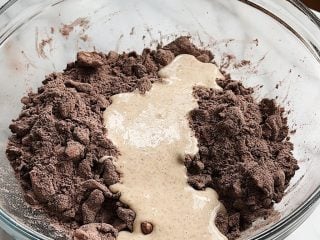
Crumbly Texture: The increased moisture absorption by cocoa powder can lead to a slightly more crumbly crust compared to those made solely with all-purpose flour. This is a trade-off for the added richness of cocoa flavor.
-
Sourdough Discard Ratios: While the recipe allows for flexibility, over-reliance on discard to achieve hydration can result in an overly sticky dough that is difficult to handle and may bake off tough. Conversely, using less discard is manageable by compensating with additional flour and water.
-
Adapting Other Crusts: The principle of incorporating sourdough discard can be applied to other crust recipes within Firkser’s Galette! cookbook. The general guideline is to substitute approximately 110 grams (½ cup) of discard for an equivalent amount of dry flour and water to maintain the correct hydration balance.
Looking Ahead
The introduction of this Sourdough Discard Cocoa Galette Crust represents a thoughtful fusion of established pastry techniques with contemporary flavor innovation. It invites home bakers to explore new dimensions of galette creation, leveraging the tang of sourdough and the subtle bitterness of cocoa. For those seeking a more traditional pastry base, The Perfect Loaf continues to offer its popular flaky sourdough discard pie crust. And for enthusiasts eager to delve deeper into the world of galettes, Rebecca Firkser’s Galette! remains an indispensable resource, now enhanced by this exciting new recipe born from a collaborative spirit in the baking community.