
The culinary world is abuzz with the innovative fusion of traditional baking techniques and the burgeoning sourdough movement, a trend exemplified by the recent collaboration between acclaimed baker Rebecca Firkser and The Perfect Loaf. Firkser, author of the celebrated cookbook Galette!, has partnered with Maurizio, the proprietor of The Perfect Loaf, to introduce a unique sourdough discard cocoa galette crust recipe. This development, detailed in a recent publication, offers home bakers a novel way to utilize sourdough starter discard while elevating the humble galette with a sophisticated chocolate undertone.
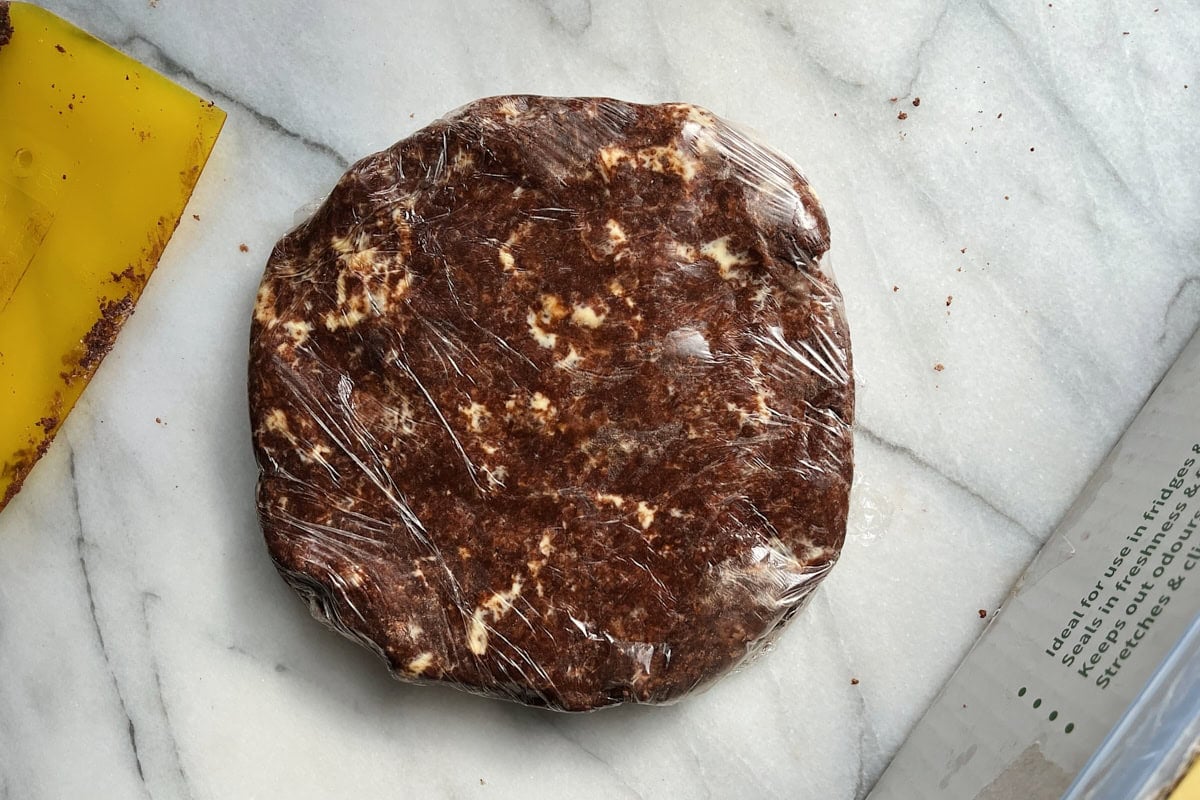
Firkser’s cookbook, Galette!, published in June, serves as a comprehensive guide to the rustic, freeform pastry, featuring over 50 sweet and savory recipes. While the book meticulously covers the art of flour and butter in galette form, a deliberate omission was a crust variation incorporating sourdough starter discard. Firkser explains this was a practical decision, constrained by page limits rather than a lack of culinary exploration. "Sourdough starter is essentially flour and water – two foundational ingredients in pastry crust," Firkser noted in a recent interview, highlighting the natural synergy between sourdough discard and pastry making. "It felt only natural to share a sourdough galette crust recipe, and there’s no better place to publish that than here on The Perfect Loaf."
The newly introduced recipe, "A Good Crust With Sourdough Discard and Cocoa," is an adaptation of Firkser’s base crust recipe from Galette!, with the addition of cocoa powder and sourdough discard. This collaboration builds upon Maurizio’s existing expertise in sourdough baking, particularly his well-regarded sourdough pie crust recipe, which also functions admirably in galettes. The objective of this new offering is to provide a distinct flavor profile that complements, rather than replicates, existing sourdough crust recipes.
The Art of the Cocoa Crust
The core innovation lies in the integration of cocoa powder into the galette dough. Firkser explains that a portion of the all-purpose flour is substituted with cocoa powder, specifically a scant ¼ cup (25 grams) replaced by 30 grams (approximately ⅓ cup) of either natural or Dutch-process cocoa powder. This substitution is carefully calibrated, as cocoa powder, unlike flour, is not a grain and possesses different absorptive properties. "Cocoa, which is not a grain, actually absorbs more liquid than flour," Firkser elaborates, "so you may need to add a bit more water to properly hydrate the dough, but not too much, as it can quickly get sticky and hard to work with."
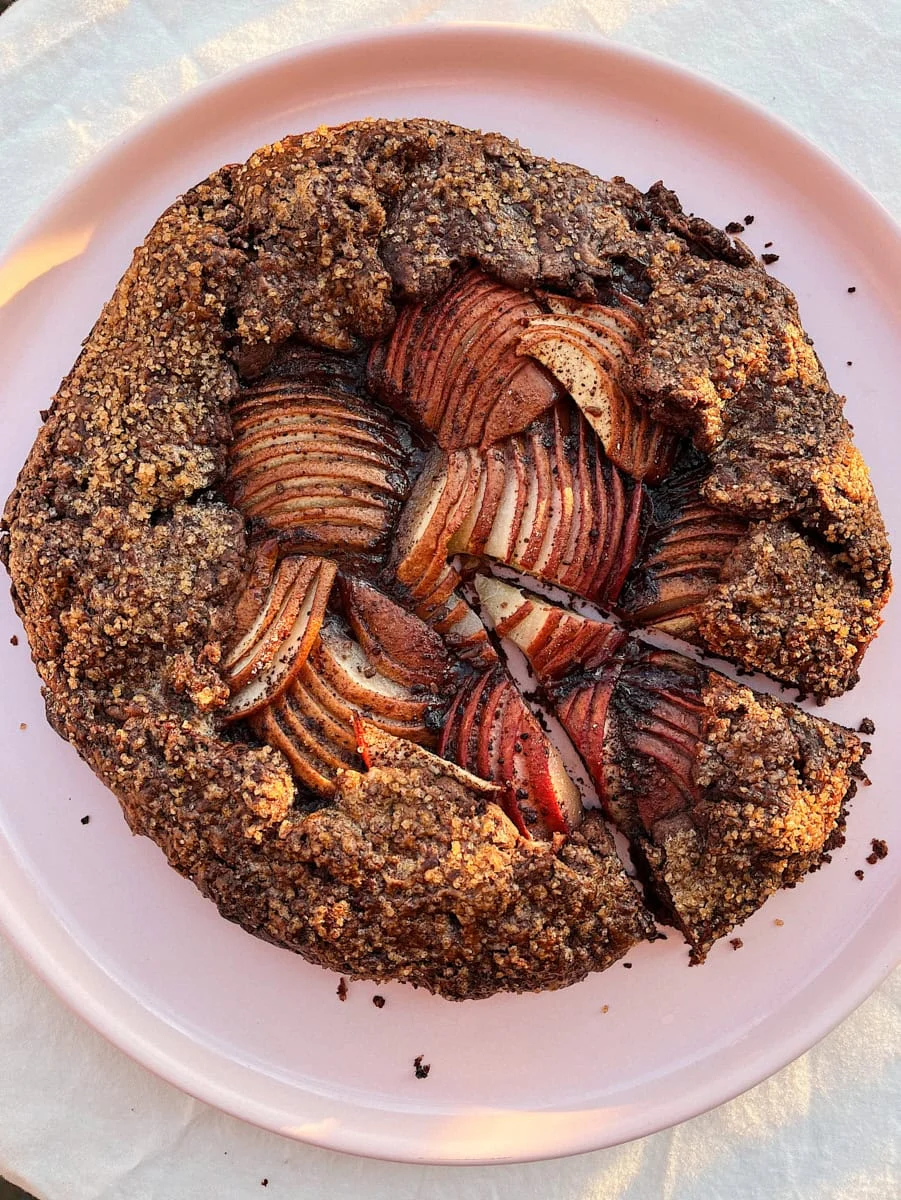
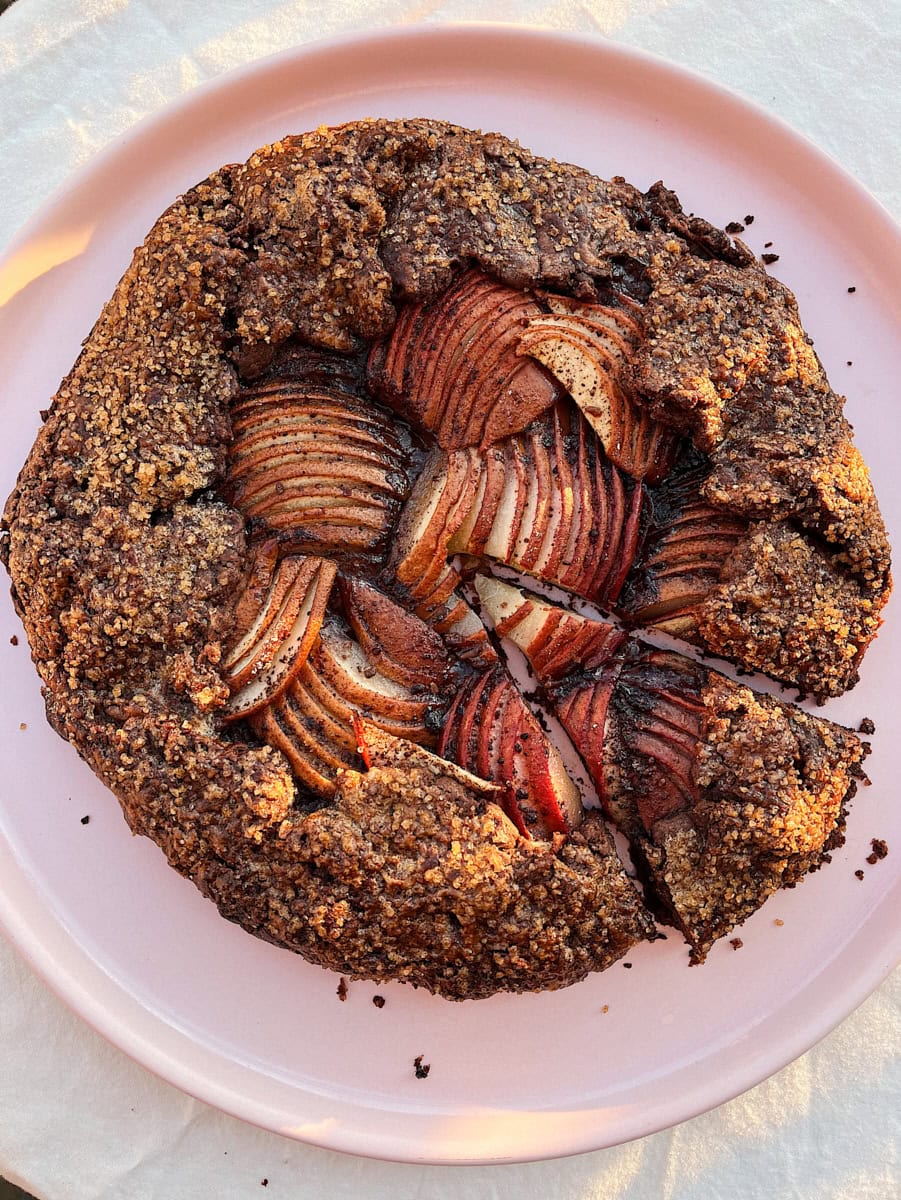
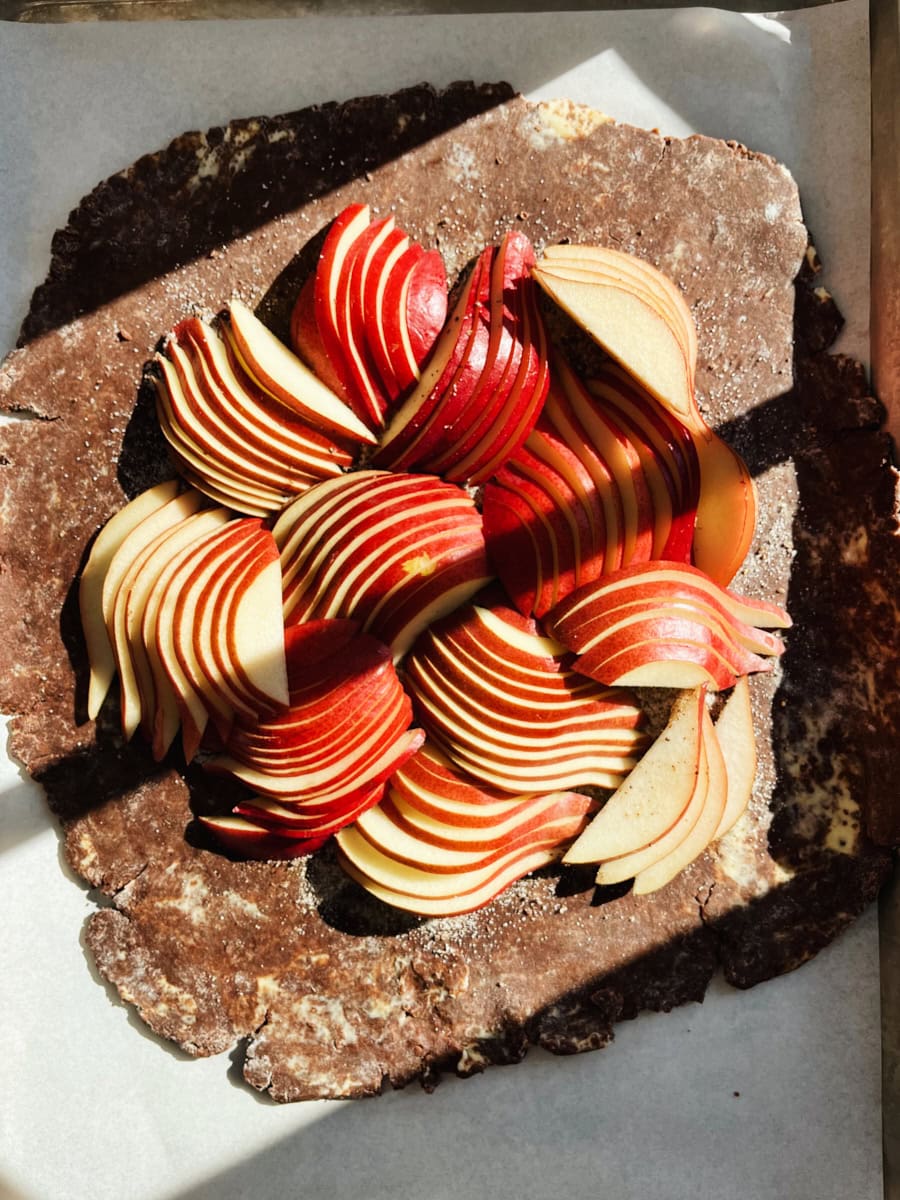
The resulting flavor profile is subtle rather than overwhelmingly chocolatey. It imparts a "toasty-fruity bitterness," which Firkser suggests is particularly delightful when paired with autumnal fruits. The accompanying imagery showcases the Pear with Sumac and Ginger galette from Galette!, a testament to the crust’s versatility with seasonal ingredients.
Technical Considerations for Sourdough Cocoa Crust
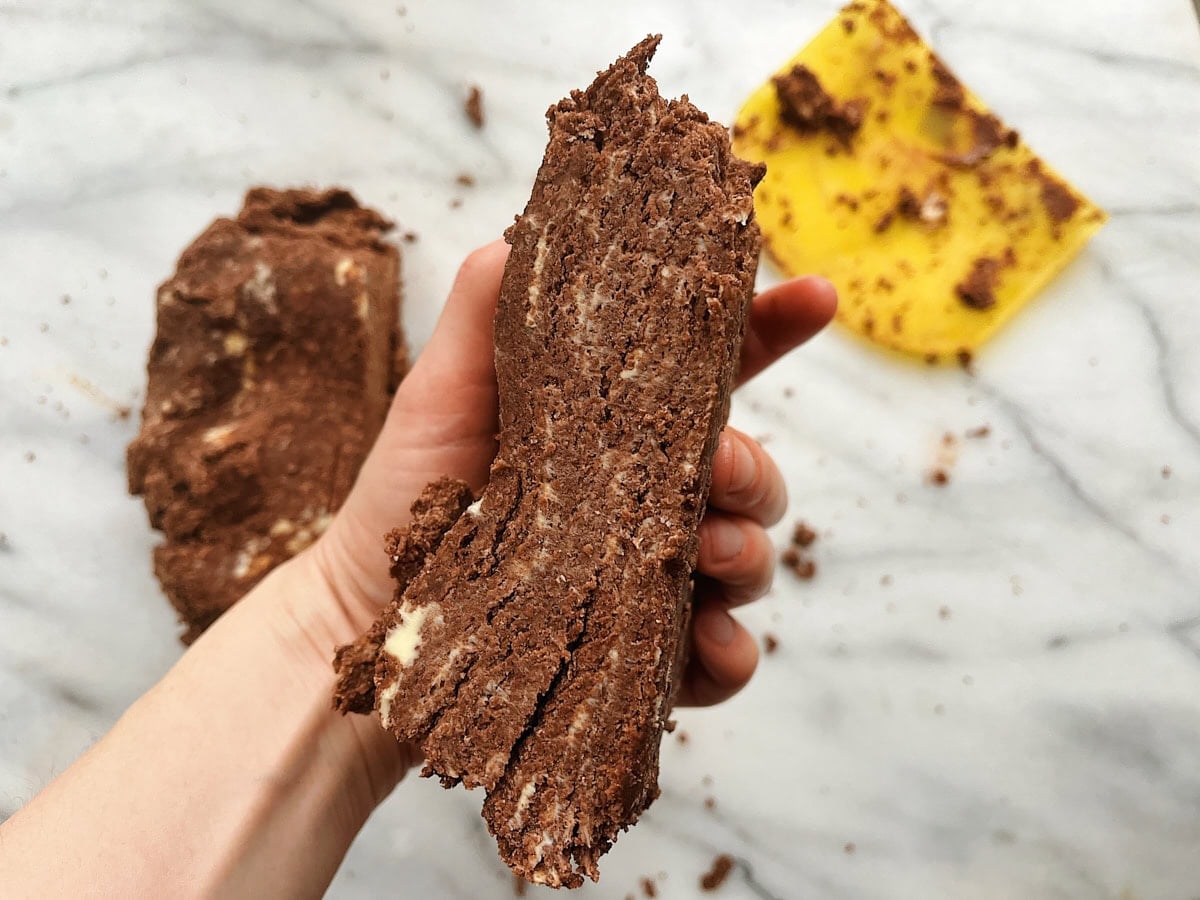
Several key techniques are crucial for achieving success with this sourdough discard cocoa galette crust. Firkser emphasizes the importance of sifting the cocoa powder before incorporating it into the dry ingredients. This step is vital for preventing lumps, ensuring a smooth, homogenous dough. "Cocoa powder tends to clump up, which no one wants in their delicate galette dough," she advises. Should a baker forget to sift, Firkser offers a practical solution: working the dry mix with hands before adding butter to break down any cocoa clumps.
The choice of butter also plays a role in pastry texture. Firkser acknowledges the distinct characteristics of both American and European-style butters. American butter, generally more affordable, has a higher water content, leading to a less rich flavor but a firmer texture that can be more manageable for novice bakers. Conversely, European-style butter, while pricier, offers superior flavor and a softer, more pliable texture appreciated by experienced pastry makers. However, this pliability can lead to the butter softening excessively, particularly in warmer kitchens, necessitating extra chilling time for the dough. For this particular recipe, Firkser notes that the butter is used as-is, without the browning process sometimes employed in sourdough discard recipes to reduce water content.
The Role of Sourdough Discard and Hydration
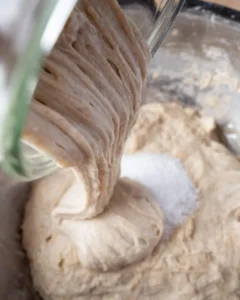
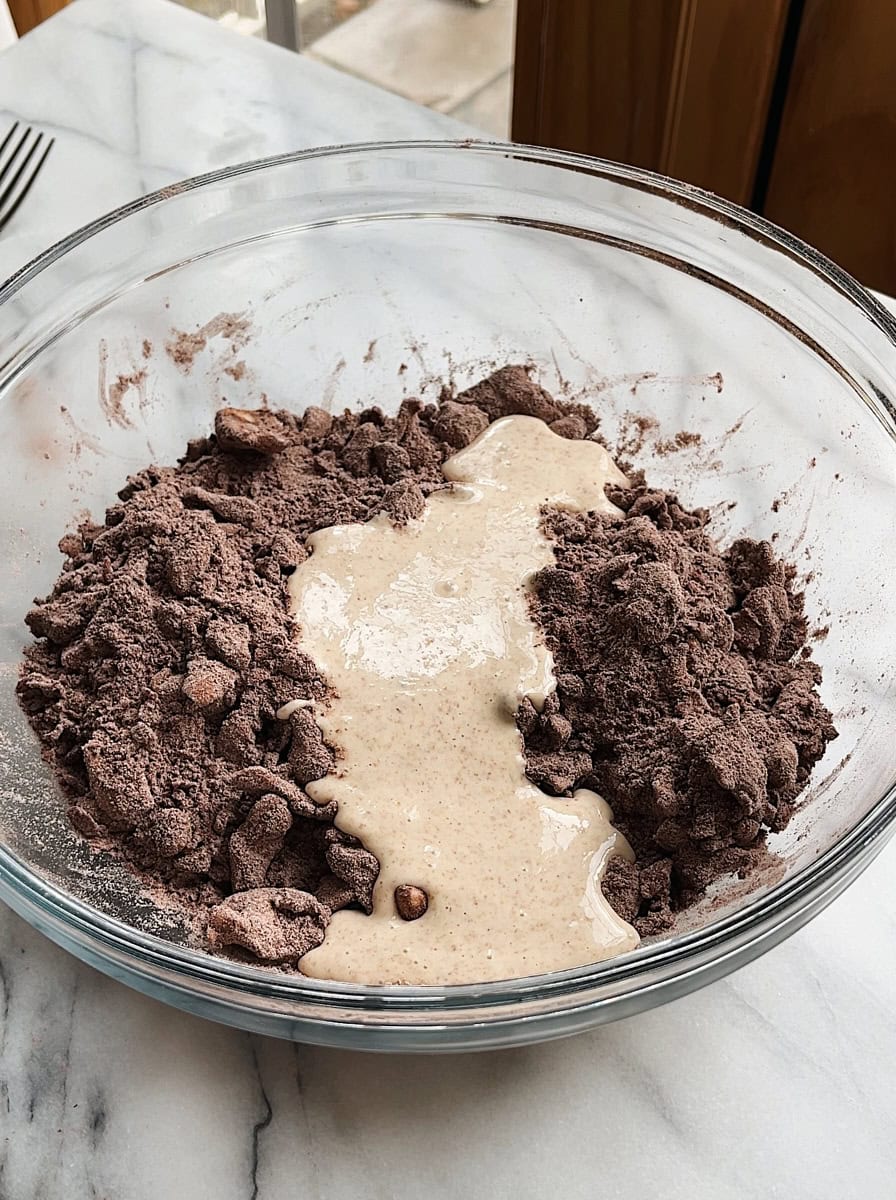
The integration of sourdough starter discard is a significant element of this recipe. Firkser experimented with various ratios of discard, water, all-purpose flour, and cocoa powder. She found that the dough can accommodate up to 138 grams (½ cup plus 2 tablespoons) of sourdough discard, with minimal additional water. Conversely, it also performs well with as little as 55 grams (¼ cup) of discard. It’s important to note that a cocoa-based crust may exhibit a slightly less flaky and more delicate texture compared to those made solely with grain flours, though its success is not diminished.
Hydration is a critical factor, especially given the variable nature of cocoa powder’s moisture absorption. Firkser recommends adding water incrementally. While the dough will likely require approximately 14 grams (1 tablespoon) of additional water, the exact amount can fluctuate based on environmental factors like room temperature, the type of butter used, and even the specific brand of flour and cocoa. This variability underscores the importance of adjusting liquid addition based on the dough’s consistency rather than adhering strictly to a set measurement. Over-hydrating the dough can result in a sticky consistency, making it difficult to achieve the characteristic flaky layers of a galette crust.
Pairing and Versatility
The sourdough discard cocoa galette crust proves remarkably versatile in its culinary applications. Firkser suggests a wide array of fillings, highlighting seasonal pairings. For autumn, Pear with Sumac and Ginger, Gingery Cranberry Sauce, and Crumble-Topped Kabocha Squash are recommended, noting their potential to grace a Thanksgiving dessert table. Winter options include Creamy Pistachio and Citrus, and Cocoa and Toasted Pecan. Spring and summer are well-represented by Apricot and Pepita-Sesame Frangipane, and Blue and Black Berry galettes, respectively. While the crust possesses a subtle cocoa note, Firkser advises that savory fillings are generally not as well-suited to this particular flavor profile.
Frequently Asked Questions
The introduction of a novel recipe often prompts questions from bakers eager to adapt and understand its nuances. The Perfect Loaf’s accompanying FAQ section addresses common concerns:

- Cocoa Powder Type: Both Dutch-process and natural cocoa powders are suitable for this recipe. Natural cocoa, being acidic, typically reacts with baking soda, while Dutch-process (alkalized) often pairs with baking powder. Since galette dough does not employ chemical leaveners, the choice is largely a matter of preference, affecting color and subtle flavor notes. Dutch-process yields a darker, earthier dough, while natural cocoa results in a tawny brown hue with a slight citrusy bitterness.
- Cacao Powder vs. Cocoa Powder: Cacao powder, derived from unroasted beans, offers a more intense, bitter flavor and is more absorbent. While not typically a direct 1:1 substitute for cocoa powder in most baking, its limited use in a galette crust is deemed acceptable.
- Flour Substitutions: High-protein flours like bread flour are not recommended for galette dough, as they can result in a tough, less flaky crust. Heritage grain flours can be used but may require additional water due to their higher absorption rates.
- Crumbly Texture: The tendency for the cocoa crust to be slightly more crumbly than other variations is attributed to cocoa powder’s moisture absorption. This trade-off is balanced by the enhanced cocoa flavor.
- Sourdough Discard Quantity: Using more sourdough discard than recommended is cautioned against, as it can lead to an overly sticky dough. Conversely, a smaller amount of discard can be used, but it must be compensated for with an equivalent amount of fresh flour and water.
- Adapting Other Crusts: Sourdough discard can be incorporated into other crust recipes in Galette! by starting with approximately 110 grams (½ cup) of discard and omitting an equal measure of dry flour and water to maintain dough hydration.
- Savory Fillings: Due to its subtle cocoa flavor, this crust is not ideally suited for savory fillings.
The Broader Impact
This collaboration between Rebecca Firkser and The Perfect Loaf signifies a growing trend in home baking: the creative utilization of sourdough starter discard and the exploration of unique flavor profiles in classic pastries. The introduction of the sourdough discard cocoa galette crust not only provides a practical solution for bakers managing their sourdough cultures but also expands the repertoire of flavor possibilities for galettes and other freeform pastries. As Firkser’s cookbook continues to inspire, this recipe integration offers a tangible way for enthusiasts to deepen their engagement with both sourdough principles and the art of pastry. For those seeking further exploration, Firkser recommends her book Galette! and The Perfect Loaf’s established flaky sourdough discard pie crust recipe.