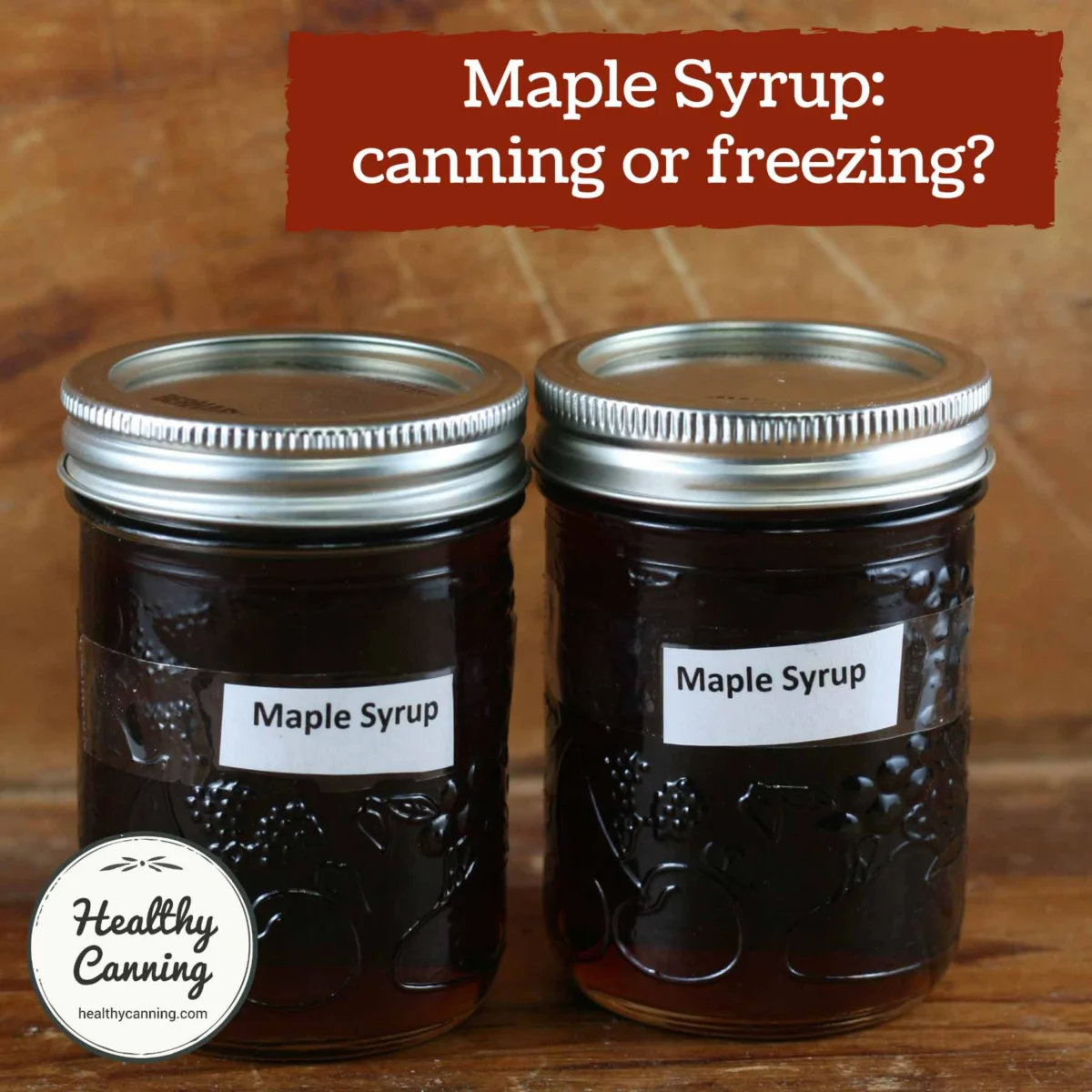

The procurement of maple syrup in bulk quantities has become an increasingly popular practice for households seeking to mitigate the high costs of this premium natural sweetener. However, the delicate chemical balance of maple syrup renders it susceptible to spoilage, primarily through mold colonization, if storage protocols are not strictly observed. As a high-value agricultural product with a complex profile of sugars and minerals, maple syrup requires a nuanced approach to preservation that bridges the gap between commercial food science and domestic kitchen management. This report examines the technical requirements for maintaining the integrity of maple syrup, the scientific factors governing its shelf stability, and the recommended methodologies for long-term preservation, with a specific focus on freezing as the superior domestic option.
The Chemistry of Stability: Density, pH, and Water Activity
To understand the preservation of maple syrup, one must first understand its legal and chemical definition. In North America, the transition from maple sap to maple syrup is defined by the concentration of soluble solids, measured on the Brix scale. According to the North American Maple Syrup Council, the standard density for maple syrup must fall between 66° and 68° Brix. This concentration is critical; if the syrup falls below 66° Brix, it possesses a high enough water activity to permit fermentation and rapid mold growth. Conversely, if the density exceeds 68° Brix, the syrup becomes supersaturated, leading to the precipitation of sugar crystals at the bottom of the container.
The safety of maple syrup is not primarily derived from its acidity, but rather its low water activity. While the FDA cites an average pH of 5.15 for maple syrup—placing it well above the 4.6 threshold for low-acid foods—the high sugar concentration binds the available water. This low water activity effectively inhibits the germination of Clostridium botulinum spores, even in the anaerobic environment of a sealed jar. However, while these conditions protect against botulism, they are not sufficient to prevent the growth of certain xerophilic molds and yeasts, which can thrive in high-sugar environments once the product is exposed to the atmosphere.

Chronology of Storage: From Pantry to Freezer
The lifecycle of maple syrup storage is determined by the type of packaging and whether the original seal remains intact.
Phase 1: Unopened Shelf Storage
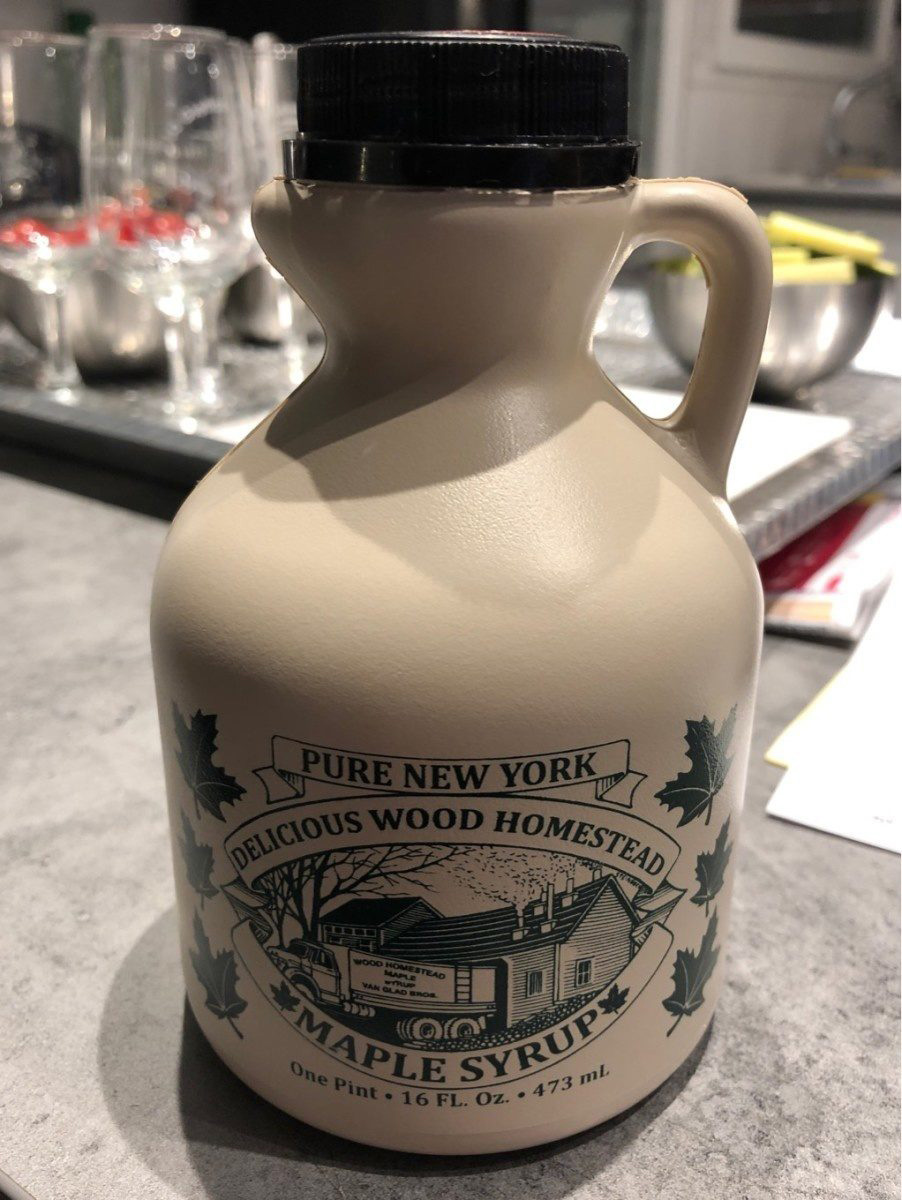
Unopened glass, metal, or high-density squeeze-type plastic containers can be stored at room temperature in a dark, cool pantry for extended periods. However, a significant caveat exists regarding the iconic beige or grey plastic jugs often associated with small-scale producers. The Quebec Maple Syrup Producers Association (QMSP) has noted that these specific containers, while aesthetically traditional, are often slightly porous to oxygen. This gas permeability can lead to premature oxidation and mold development. Consequently, the QMSP recommends that even unopened beige plastic jugs be stored in the refrigerator to prolong their shelf life.
Phase 2: Post-Opening Refrigeration
Once the seal of a container is broken, the syrup is immediately introduced to airborne mold spores. At this juncture, room temperature storage is no longer viable. Refrigeration is mandatory to slow the metabolic rates of spoilage organisms. While the cold temperatures of a domestic refrigerator (typically 4°C or 40°F) combined with low water activity will significantly delay mold growth, they do not provide a permanent solution. Over several months, even refrigerated syrup can develop a fungal mat on the surface.
Phase 3: Long-Term Preservation via Freezing
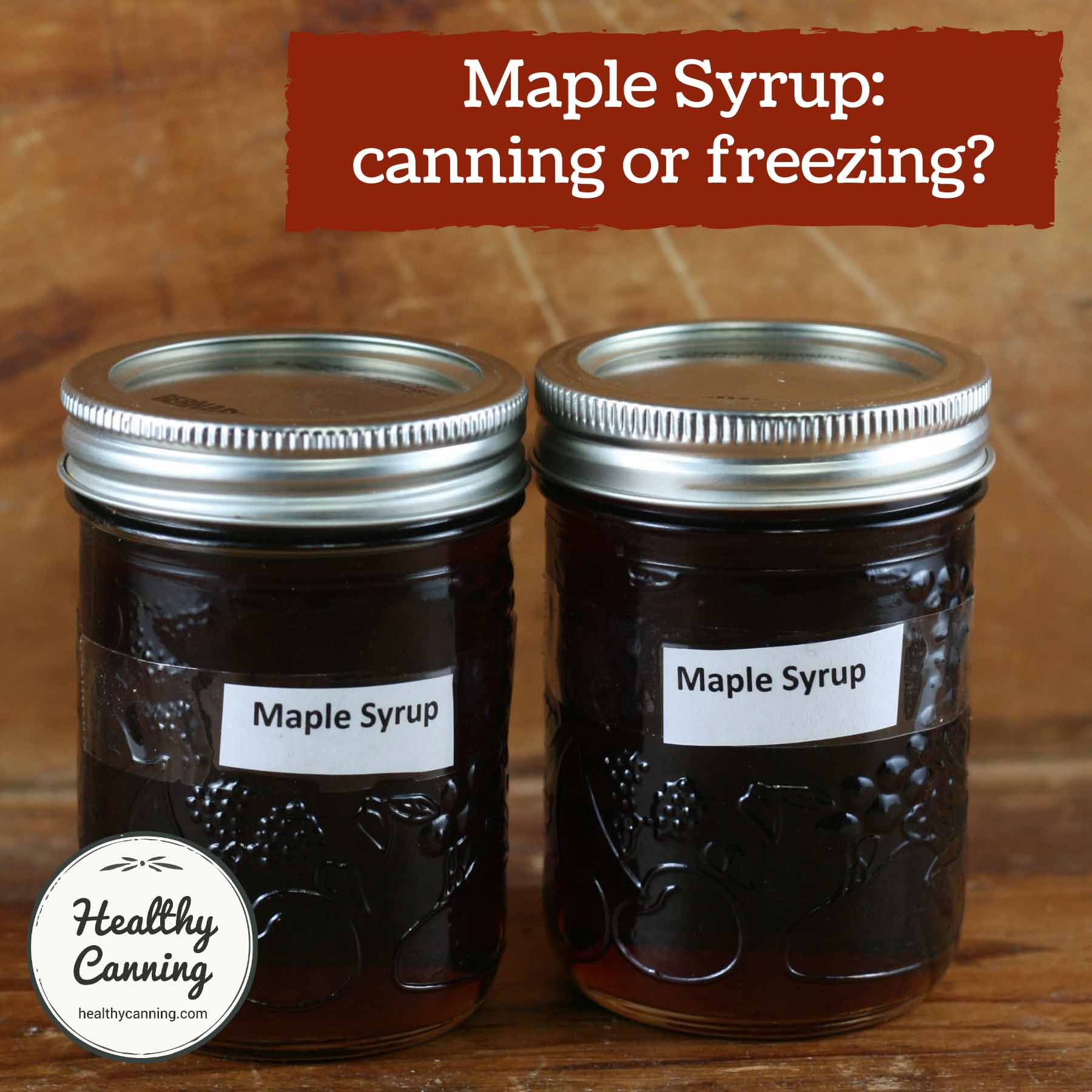
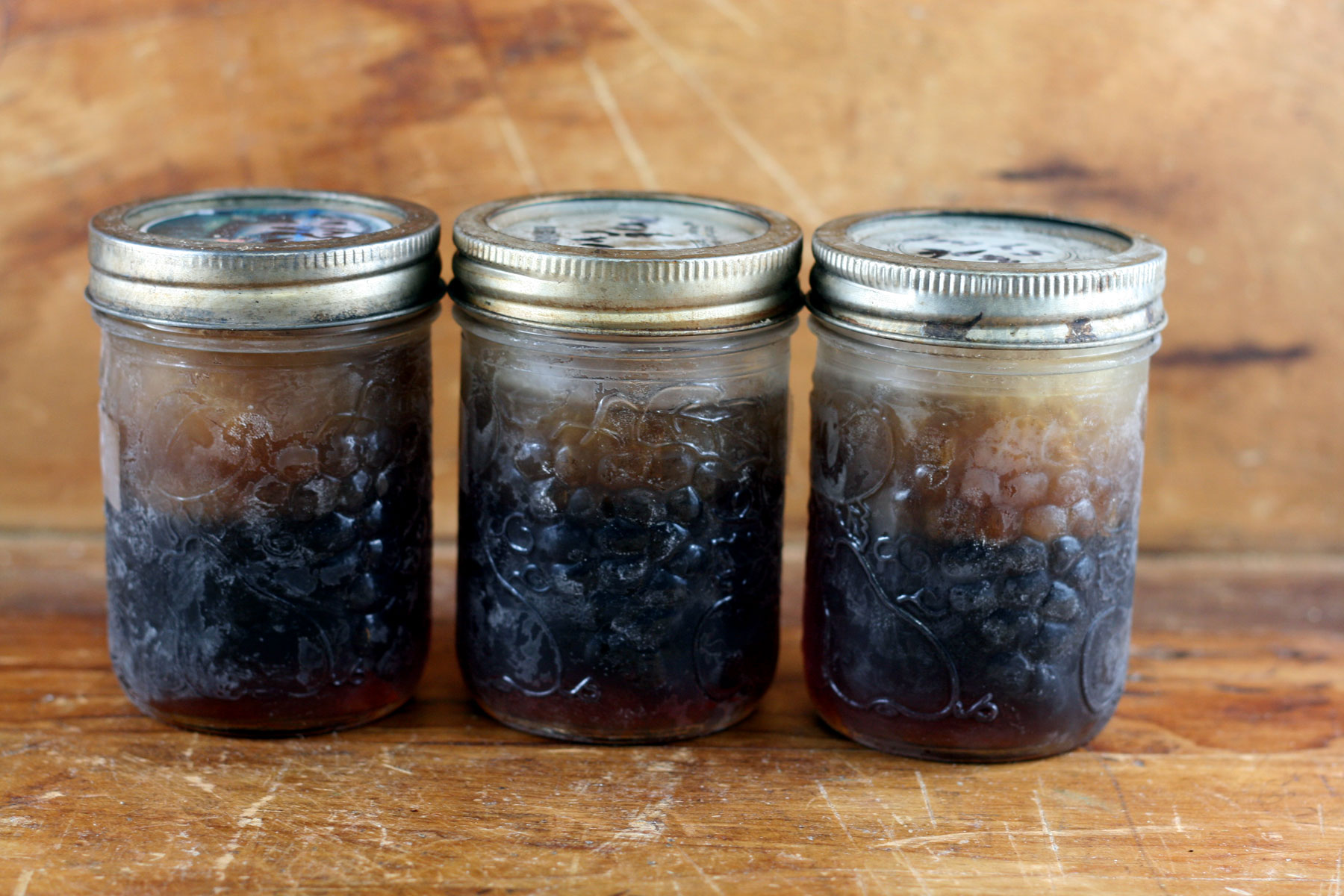
For consumers who purchase syrup in volumes that cannot be consumed within a few months, freezing is the internationally recognized best practice for home preservation. Unlike water, maple syrup’s high sugar content prevents it from freezing into a solid block at standard freezer temperatures (-18°C or 0°F). Instead, it becomes highly viscous, similar to the consistency of thick honey. This state transition is ideal because it prevents the expansion that typically shatters glass jars, provided adequate headspace is maintained.
The Technical Execution of Freezing
The University Extension services, including Purdue and Ohio State, provide specific technical guidelines for freezing syrup to ensure quality retention.
Container Selection
Glass is the preferred medium for freezing. Unlike plastic, glass is non-porous and provides an absolute barrier against oxygen and freezer odors. Metal containers are discouraged for freezing due to the risk of oxidation and the potential for the syrup to acquire a metallic off-flavor over time. For those using Mason jars, it is not necessary to use new lids; previously used canning lids are sufficient as the goal is a physical seal rather than a heat-processed vacuum.
Headspace Requirements
The National Center for Home Food Preservation (NCHFP) emphasizes the importance of headspace—the empty space between the top of the liquid and the lid. This space allows for the slight expansion of the syrup and reduces the volume of trapped oxygen.
- For half-pint (250 ml) and pint (500 ml) jars, a headspace of 1/2 inch (1.3 cm) is recommended.
- For quart (1 liter) jars, a headspace of 1 inch (2.5 cm) is required.
Thawing and Quality Maintenance
Maple syrup can undergo multiple freeze-thaw cycles without a loss of quality, a fact supported by the Vermont Maple Sugar Makers’ Association. The only requirement is that any condensation forming on the surface after thawing must be stirred back into the syrup to maintain uniform density. If rapid thawing is required, the jar may be placed in lukewarm water, but the use of high heat or microwaves is discouraged to prevent localized scorching or the "stack burn" effect.
The Risks of Domestic "Recanning"
A common misconception among home preservers is that maple syrup can be "recanned" in a water bath to achieve shelf stability in smaller jars. Food scientists and extension agents generally advise against this for quality reasons.
Heating syrup a second time initiates a series of chemical reactions, including the Maillard reaction and caramelization, which darken the syrup and alter its delicate flavor profile. Furthermore, heating syrup above 82°C (180°F) causes the precipitation of "sugar sand" or niter—minerals (primarily calcium malate) that are naturally present in the syrup but remain dissolved at lower temperatures. This results in a cloudy product with a gritty sediment, which, while harmless, is aesthetically unappealing.
If a consumer insists on bottling syrup at home, they must follow the industrial "hot pack" protocol. This involves heating the syrup to exactly 82°C–85°C (180°F–185°F), filling pre-heated glass jars to 90% capacity, and inverting the jars for five to ten minutes. This inversion allows the hot syrup to sterilize the inner surface of the lid. However, this method is fraught with risk; if the temperature drops below 82°C during the process, mold spores will survive. If the temperature exceeds 92°C, the syrup will likely become cloudy and require professional-grade filtration.
Comparative Analysis of Spoilage Organisms
Research conducted by the University of Maine Cooperative Extension has revealed that the maple industry’s historical assumptions regarding microbial safety were incomplete. Traditionally, it was believed that 66° Brix syrup was essentially immune to microbial growth if hot-packed at 85°C. However, a multi-year study found that 32 out of 34 samples of ostensibly "spoiled" syrup were contaminated with heat-resistant fungal species, including members of the Penicillium and Aspergillus genera.
These fungi are remarkably resilient. Some species were found to survive 75°C (167°F) for three minutes. This data underscores why freezing is superior to home bottling: freezing does not necessarily kill the spores, but it completely inactivates them by removing the thermal energy required for germination. In a domestic setting, where temperature control is less precise than in a commercial packing house, the "kill-zone" of 82°C is difficult to maintain, making freezing the only foolproof method for preventing mold.
Broader Impact and Implications for Consumers
The economic implications of improper maple syrup storage are significant. As an agricultural product that requires 40 gallons of sap to produce a single gallon of syrup, the labor and energy costs are reflected in its retail price. Spoilage represents a total loss of this investment, as the consumption of moldy syrup is discouraged. While some traditionalists suggest skimming mold off the surface and re-boiling the syrup, food safety experts warn that some molds produce mycotoxins that can migrate deep into the liquid, remaining even after the visible mold is removed.
Furthermore, the trend toward bulk purchasing is a reaction to the volatility of the maple market, which is heavily influenced by climate change. Shorter, more erratic sap-flow seasons in the Northeast have led to fluctuations in supply. By mastering the science of freezing and long-term storage, consumers can stabilize their own supply chains, ensuring they have access to high-quality syrup regardless of seasonal yields.
In conclusion, the preservation of maple syrup at home is a balance of temperature management and container science. While unopened glass remains shelf-stable, the porous nature of traditional plastic jugs and the inevitability of mold exposure upon opening necessitate a shift to colder storage environments. Freezing remains the definitive recommendation for the home consumer, providing a method that preserves the "Grade A" quality of the forest’s most celebrated product without the chemical and physical risks associated with domestic recanning. By adhering to the 82° Brix threshold for density and utilizing the freezer for long-term reserves, households can enjoy the nutritional and culinary benefits of maple syrup for years after the initial harvest.