
The pursuit of a balanced diet often centers on protein intake, a crucial macronutrient for muscle repair, satiety, and overall bodily function. While chicken, eggs, and protein powders are commonly recognized sources, a diverse range of less obvious foods can significantly contribute to daily protein requirements, facilitating more varied and sustainable meal preparation. This exploration delves into seven such foods, alongside three straightforward smoothie recipes designed to integrate them seamlessly into a busy lifestyle.
The Evolving Landscape of Protein Consumption
In recent years, dietary science has increasingly emphasized the importance of protein diversity. Relying on a narrow selection of protein sources can not only lead to dietary monotony but may also limit the intake of a wider spectrum of micronutrients and beneficial compounds. This has spurred a growing interest in identifying and incorporating underappreciated protein-rich foods into regular meal plans. The challenge for many individuals lies in bridging the gap between knowing what constitutes a healthy diet and practically implementing it amidst demanding schedules. Meal prepping has emerged as a key strategy to overcome this hurdle, and its effectiveness is amplified by the inclusion of versatile, nutrient-dense ingredients.
The integration of these "surprising" protein sources into meal prep routines offers a practical solution for individuals seeking to enhance their nutritional intake without overhauling their entire dietary framework. These ingredients can function as primary protein contributors, complementary additions, or convenient smoothie boosters, demonstrating remarkable flexibility. Their adaptability makes them particularly valuable for those aiming for consistency in their healthy eating habits, transforming the often-daunting task of meal preparation into a more manageable and enjoyable process.
A Toolkit for Protein-Enhanced Meals
This guide functions as a comprehensive toolkit, offering a curated list of foods and smoothie components that can be strategically employed throughout the week. The focus is not on a single, prescriptive meal but rather on empowering individuals with the knowledge to build balanced meals and snacks using a variety of protein-rich ingredients.
Key Protein Contributors
Some ingredients on this list stand out for their significant protein content per serving, making them ideal for building a foundation of satiety and nutritional value in meals. These are the powerhouses that can form the core of a protein-focused meal.
- Pistachios: Offering approximately 6 grams of plant-based protein per ounce, pistachios are also rich in fiber and healthy fats, making them a satisfying snack option. Their portability and versatility allow them to be incorporated into various meal components.
- Goat Cheese: This tangy and creamy cheese provides about 6 grams of protein per ounce. It’s a convenient way to add flavor and protein to dishes without relying on heavy sauces.
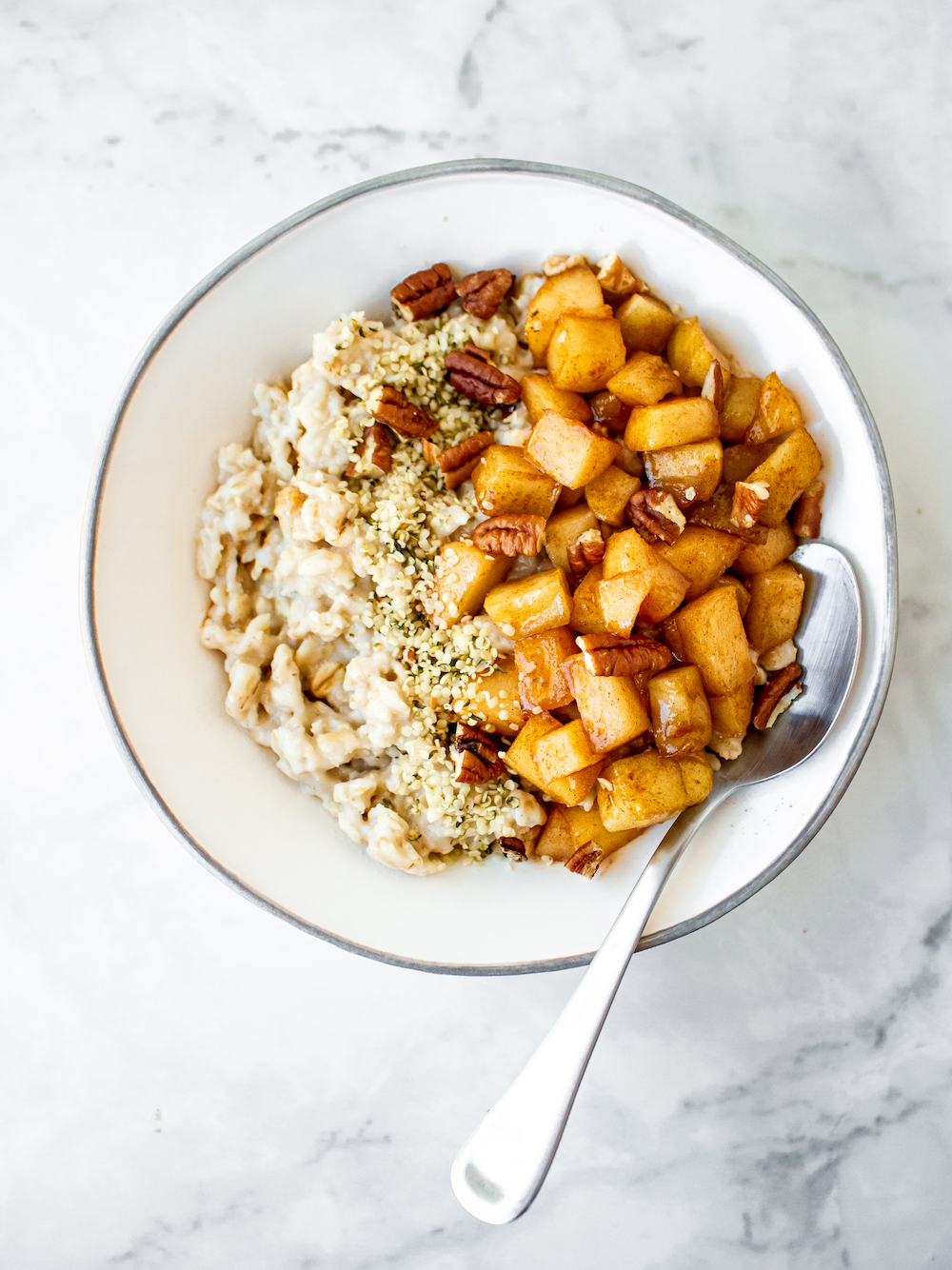
- Oatmeal: While primarily recognized for its soluble fiber content, oatmeal also contributes a notable amount of protein, serving as an excellent base for a filling breakfast. Its inherent versatility allows for further protein enhancement through additions like Greek yogurt, nuts, or seeds.
- Green Peas: Often underestimated, green peas are an affordable and freezer-friendly option that can significantly boost the protein content of lunches and dinners. Their convenience and nutritional profile make them a valuable addition to any meal prep strategy.
Supporting Ingredients for Balanced Nutrition
Other ingredients, while perhaps not primary protein sources, play a vital role in enhancing the overall nutritional profile and satisfaction of meals. They contribute healthy fats, fiber, texture, and flavor, complementing the main protein sources and contributing to a feeling of fullness.
- Avocado: Celebrated for its healthy monounsaturated fats, avocado also contains a modest amount of protein. Its creamy texture and satiating properties make it an excellent addition to meals, enhancing their appeal and staying power.
- Walnuts: Delivering around 4 grams of protein per ounce, walnuts are also a rich source of omega-3 fatty acids. They add a satisfying crunch and healthy fats, acting as a beneficial complement to other meal components.
- Spinach: This leafy green provides a modest amount of protein, particularly when cooked, and is a powerhouse of vitamins and minerals. Its versatility allows it to be incorporated into a wide array of dishes, from breakfast scrambles to dinner entrees.
The Role of Smoothies in Nutritional Support
Smoothies offer a convenient and customizable way to supplement protein intake, especially during busy periods. While not every smoothie needs to be a high-protein meal replacement, knowing how to enhance their nutritional value can transform them into satisfying and beneficial beverages. A well-balanced smoothie typically includes a liquid base, fruits or vegetables for vitamins and fiber, a protein source, and healthy fats for satiety.
Seven Surprising Foods High in Protein
The following foods, while not always the first to come to mind when discussing protein, offer significant nutritional benefits and can be easily integrated into diverse meal plans.
1. Pistachios: The Versatile Nut
Pistachios are a standout ingredient for meal prep due to their ease of portioning and adaptability. A one-ounce serving provides approximately 6 grams of plant-based protein, accompanied by beneficial fiber and healthy fats. This makes them an excellent choice for sustained energy release.
- Snack Prep: Portion them into small containers or snack bags for on-the-go access.
- Salad Topping: Add a crunchy, protein-rich element to green salads.
- Yogurt or Oatmeal Enhancement: Sprinkle over yogurt or oatmeal for added texture and protein.
- Trail Mix Component: Combine with dried fruits and other nuts for a custom trail mix.
- Savory Dishes: Incorporate into pilafs or as a crust for baked chicken or fish.
2. Avocado: The Creamy Powerhouse
While primarily lauded for its healthy fats, avocado also contributes a small but valuable amount of protein. Its creamy texture and satiating properties make it a valuable addition to meals, enhancing satisfaction and providing essential nutrients.
- Toast Topping: A classic and simple way to add healthy fats and a touch of protein to breakfast.
- Salad Addition: Cubed or sliced avocado adds creaminess and substance to salads.
- Smoothie Ingredient: Contributes to a smooth, rich texture and healthy fats in smoothies.
- Sandwich or Wrap Filler: Replaces less healthy spreads and adds a nutritional boost.
- Guacamole: A versatile dip that can be paired with vegetables for a protein-enhanced snack.
3. Walnuts: Heart-Healthy and Protein-Rich
Walnuts offer about 4 grams of protein per ounce, along with a significant dose of heart-healthy omega-3 fatty acids. They are not typically the primary protein source in a meal but serve as an excellent complementary ingredient, adding flavor, texture, and nutritional depth.
- Salad Garnish: Adds a satisfying crunch and healthy fats to salads.
- Cereal or Oatmeal Booster: Sprinkle over breakfast bowls for added protein and texture.
- Baking Ingredient: Incorporate into muffins, breads, or cookies for added nutrition.
- Snack Option: Enjoy a handful as a quick and satisfying snack.
- Pesto or Sauce Addition: Blend into pestos or sauces for a richer flavor and texture.
4. Spinach: The Nutrient-Dense Leafy Green
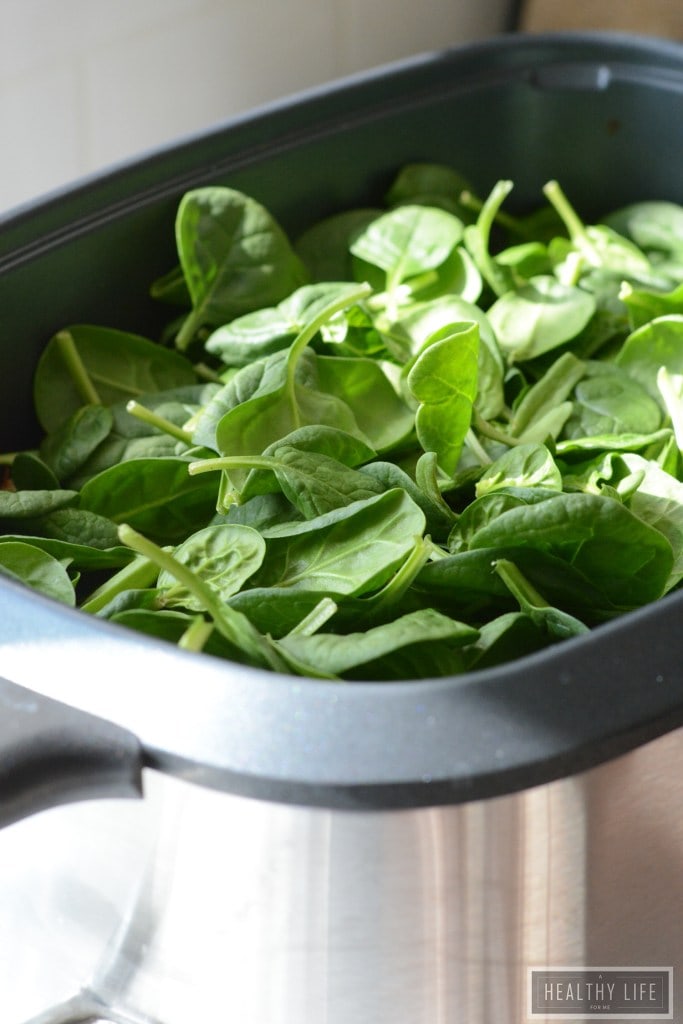
Spinach quietly enhances the nutritional profile of countless dishes, offering a modest amount of protein, particularly when cooked, alongside a wealth of vitamins and minerals. Its versatility makes it a meal prep staple.
- Smoothie Addition: Blends seamlessly into smoothies, adding nutrients without significantly altering the taste.
- Oatmeal or Scrambled Egg Mix-in: Wilt into hot oatmeal or eggs for a nutrient boost.
- Pasta or Grain Bowl Base: Use as a bed for pasta, grains, or stir-fries.
- Soup or Stew Ingredient: Adds volume and nutrients to soups and stews.
- Stir-fries and Sautéed Dishes: A quick-cooking vegetable that pairs well with various proteins and flavors.
5. Goat Cheese: Tangy and Protein-Packed
Goat cheese introduces a distinct tang and creamy texture to meals, along with approximately 6 grams of protein per ounce. It’s an efficient way to elevate the flavor of meal-prepped dishes without resorting to heavy sauces.
- Salad Topping: Crumbles well over salads, adding a protein punch and zesty flavor.
- Roasted Vegetable Enhancer: Dotted over roasted vegetables, it melts to create a creamy finish.
- Sandwich or Wrap Spread: Offers a flavorful alternative to mayonnaise or other spreads.
- Pasta Dish Addition: Stirred into warm pasta dishes for a creamy, tangy element.
- Stuffed Chicken or Fish: Can be used as a filling for poultry or fish.
6. Oatmeal: The Underappreciated Breakfast Staple
Oatmeal deserves more recognition for its protein contributions beyond its well-known fiber benefits. It serves as an excellent, protein-fortified base for a fulfilling breakfast.
- Breakfast Bowl Base: A classic and versatile foundation for a nutritious breakfast.
- Baked Goods Ingredient: Adds texture and protein to muffins, cookies, and energy bars.
- Savory Oatmeal: Can be prepared in savory applications, paired with vegetables and eggs.
- Thickener for Soups or Stews: Adds body and a nutritional boost to savory dishes.
7. Green Peas: The Underrated Legume
Green peas are a remarkably underrated food that offers affordability, freezer-friendliness, and a surprising amount of protein, making them an excellent addition to lunches and dinners.
- Side Dish: A simple and healthy side to any meal.
- Soup and Stew Booster: Adds color, texture, and protein to hearty soups and stews.
- Pasta and Grain Dish Inclusion: Mix into pasta salads, rice dishes, or pilafs.
- Omelet or Scramble Add-in: Incorporate into egg dishes for extra protein and vegetables.
- Curry Ingredient: A classic addition to many types of curries.
Three Easy Protein Smoothie Recipes
Smoothies provide a convenient way to incorporate these protein-rich ingredients, especially when time is limited. These recipes are designed for ease of preparation and nutritional balance.

1. Almond Avocado Matcha Smoothie
This smoothie offers a creamy texture with a subtle earthy flavor, and its ingredients can be pre-portioned for quick assembly.
Ingredients:
- 1 cup unsweetened almond milk
- 1/4 ripe avocado
- 1 teaspoon matcha powder (adjust to taste)
- 1/2 frozen pear, chopped
- 1 tablespoon almond butter
- 1 teaspoon chia seeds (optional, for added fiber and omega-3s)
- Ice cubes (optional, for desired consistency)
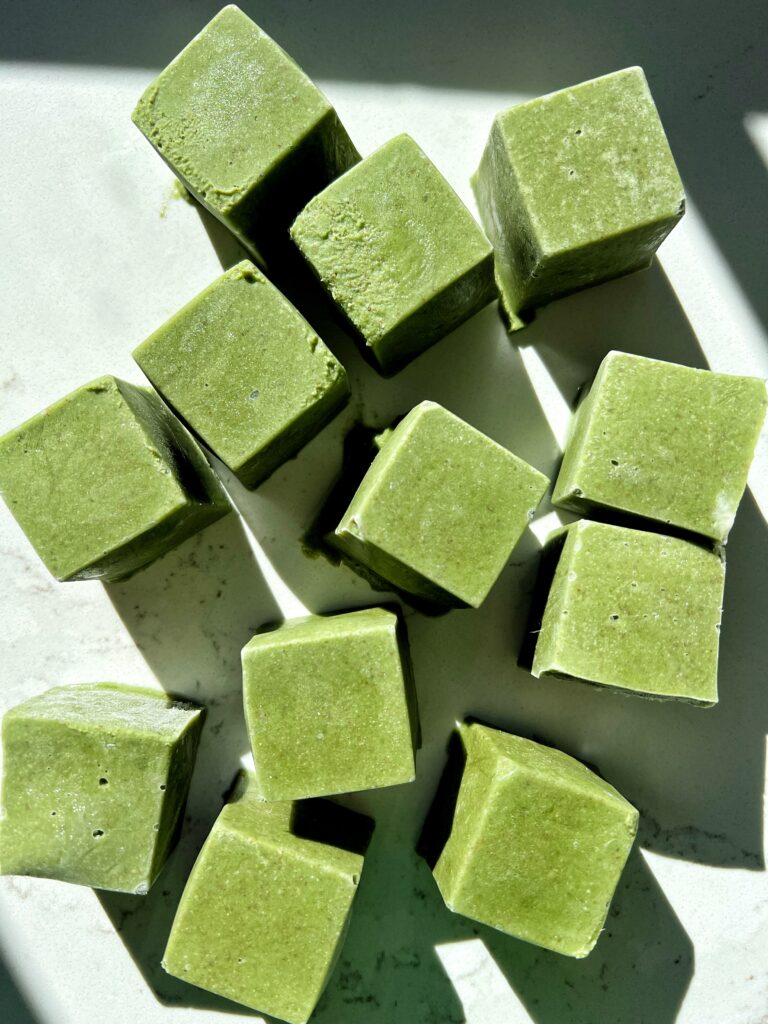
Meal Prep Tip: Freeze pre-portioned bags containing the avocado, pear, and matcha powder. Simply add almond milk, almond butter, and chia seeds to the blender with the frozen pack for an instant smoothie.
2. Green Protein Smoothie
This vibrant smoothie is packed with fresh produce and is an excellent option for a nutrient-dense beverage.
Ingredients:
- 1 cup unsweetened coconut water or almond milk
- 1 cup fresh spinach
- 1/2 frozen banana
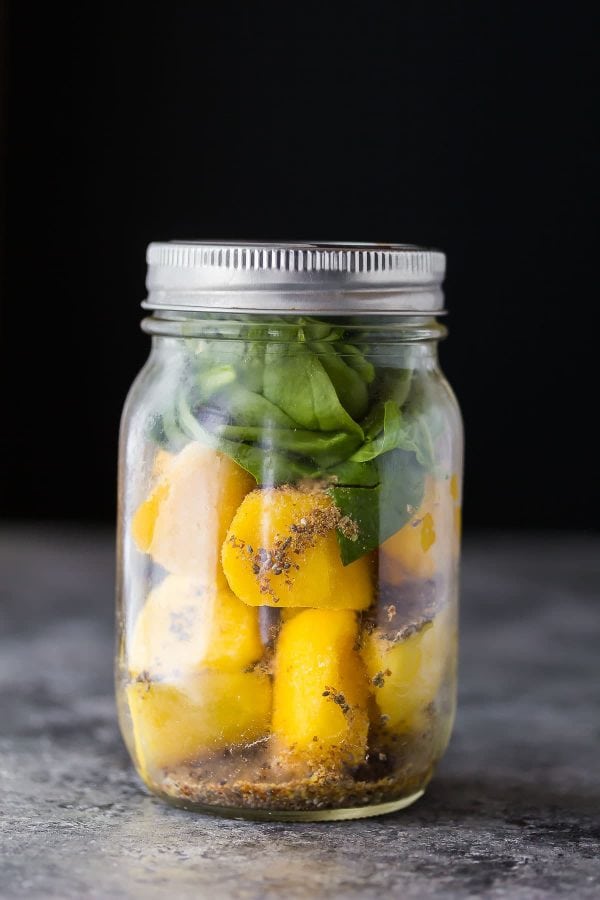
- 1/4 cup frozen pineapple chunks
- 1 scoop plain or vanilla protein powder (whey, soy, or plant-based)
- 1 tablespoon hemp seeds (for added protein and healthy fats)
Nutritional Enhancement: For those seeking a more substantial smoothie, consider adding Greek yogurt or an extra tablespoon of protein powder. This recipe serves as a good base for customization based on individual protein needs.
3. Orange Pineapple Smoothie
A bright and refreshing smoothie, this option is simple to prepare and enjoy.
Ingredients:
- 1 cup orange juice (100% juice)
- 1 cup frozen pineapple chunks
- 1/2 cup frozen mango chunks
- 1/4 cup plain Greek yogurt (for added protein and creaminess)
- 1 tablespoon flax seeds (for fiber and omega-3s)
Versatility Note: While this smoothie is refreshing and contains some protein from the Greek yogurt, it can be enhanced further by adding a scoop of protein powder or an additional serving of Greek yogurt if a more filling, meal-replacement option is desired.
Meal Prep and Storage Strategies
Effective meal preparation involves thoughtful storage to maintain freshness and nutritional integrity.
Storing Dry Ingredients
- Nuts, Oats, and Seeds: Store in airtight containers in a cool, dry pantry or refrigerator to prevent rancidity and maintain crispness. For longer-term storage, freezing is an option.
Storing Perishables
- Spinach: Wash and thoroughly dry spinach before storing it in a breathable container or bag lined with paper towels in the refrigerator’s crisper drawer.
- Avocado: Store whole, unripe avocados at room temperature. Once ripe, refrigerate them. For pre-cut avocado, toss with lemon or lime juice to prevent browning and store in an airtight container.
- Goat Cheese: Keep goat cheese tightly wrapped or in its original packaging in the refrigerator. It typically has a shelf life of about one to two weeks after opening.
Storing Frozen Ingredients
- Peas: Frozen peas can be stored in their original packaging or transferred to airtight freezer bags. They are best used within 10-12 months for optimal quality.
Storing Smoothies
- Smoothie Packs: Pre-portion ingredients (excluding liquids) into freezer bags. When ready to blend, empty the contents into the blender, add liquid, and blend.
- Blended Smoothies: Store blended smoothies in airtight containers in the refrigerator for up to 24 hours. Separation may occur; simply shake or stir before consuming. For longer storage, freeze in ice cube trays or freezer-safe containers.
Reheating and Serving Recommendations
The method of reheating or serving these ingredients depends on their intended use within your meal prep.
Reheating Cooked Items
- Oatmeal: Reheat gently on the stovetop with a splash of milk or water, or microwave in short intervals until heated through.
- Peas: Reheat by steaming, boiling briefly, or microwaving. They can also be added directly to hot dishes like soups or stews.
- Spinach: Wilted spinach can be gently reheated in a skillet or microwave. It’s often best added to warm dishes just before serving to retain its texture.
Serving Uncooked Items
- Goat Cheese: Typically served cold or at room temperature, goat cheese is best added to dishes just before serving to maintain its texture and flavor.
- Smoothies: Serve immediately after blending for optimal freshness and texture. If frozen, allow to thaw slightly before consuming.
Nutritional Considerations and Customization
The nutritional profile of these ingredients can vary based on serving size, brand, and preparation methods. As a general guideline:

- Pistachios (1 oz): Approximately 6g protein, 3g fiber.
- Avocado (1/2 medium): Approximately 2g protein, 7g fiber, 15g healthy fats.
- Walnuts (1 oz): Approximately 4g protein, 2g fiber, 18g healthy fats (rich in omega-3s).
- Spinach (1 cup cooked): Approximately 5g protein, 4g fiber.
- Goat Cheese (1 oz): Approximately 6g protein, 5g fat.
- Oatmeal (1/2 cup dry): Approximately 5g protein, 4g fiber.
- Green Peas (1 cup cooked): Approximately 8g protein, 7g fiber.
For individuals with specific dietary goals, utilizing a macro calculator or consulting with a registered dietitian can provide personalized guidance. These ingredients are best viewed as complements to primary protein sources like lean meats, fish, tofu, or legumes, rather than standalone replacements.
Tips for Success and Ingredient Swaps
- Batch Cooking: Cook larger quantities of oatmeal or roast vegetables with spinach at the beginning of the week for easy assembly.
- Portion Control: Use small containers or snack bags to pre-portion nuts and seeds.
- Ingredient Flexibility: Feel free to substitute similar nuts or seeds (e.g., almonds for walnuts, pumpkin seeds for sunflower seeds) based on preference and availability.
- Spice and Herb Usage: Incorporate herbs and spices to add flavor and nutritional complexity without adding extra calories.
- Dairy Alternatives: For dairy-free options, use plant-based yogurts or cheeses where appropriate.
Conclusion: Embracing Protein Diversity for Sustainable Health
The exploration of these seven surprising protein sources underscores a fundamental principle of healthy eating: variety is key. Moving beyond the conventional protein staples of chicken, eggs, and beans can lead to a more dynamic, enjoyable, and sustainable approach to nutrition. By integrating ingredients like pistachios, avocado, walnuts, spinach, goat cheese, oatmeal, and green peas into meal prep routines, individuals can enhance their protein intake, boost their nutrient consumption, and improve the overall satisfaction derived from their meals.
The flexibility offered by these foods—whether as primary protein contributors, nutrient-rich additions, or smoothie enhancers—makes healthy eating more accessible and less overwhelming. The focus shifts from rigid adherence to restrictive diets to building a practical, adaptable system that aligns with real-life schedules and preferences. This approach fosters consistency and makes the pursuit of balanced nutrition a more achievable and enduring endeavor. As the landscape of dietary understanding evolves, embracing a wider array of protein sources is not just a matter of preference but a strategic step towards holistic well-being.