
With over 2 billion cups consumed daily worldwide, coffee stands as one of humanity’s most cherished beverages. It’s more than just a morning ritual; it’s a global phenomenon, a daily companion for countless individuals seeking a jolt of alertness or a moment of post-meal indulgence. The secret ingredient behind much of its appeal is caffeine, a naturally occurring stimulant renowned for its ability to sharpen focus and combat fatigue. However, the influence of caffeine extends far beyond the coffee cup, permeating a surprising array of products and offering a spectrum of effects that often go unnoticed. This exploration delves into five lesser-known facets of caffeine, moving beyond its immediate energizing properties to uncover its more profound and often surprising impacts on human health and well-being.
Unveiling the Multifaceted Nature of Caffeine
Caffeine’s presence is not confined to coffee. It is a significant component of tea, chocolate, and a vast array of processed goods, including chewing gum, confectionery, energy drinks, and snack bars. While its role as a rapid energy enhancer is widely acknowledged, a deeper examination reveals a more complex profile of this ubiquitous compound. Scientific research has begun to illuminate a range of potential health benefits and debunk long-standing myths associated with caffeine consumption.
Potential Protective Effects Against Skin Cancer
Recent scientific inquiries have begun to explore a fascinating link between caffeine consumption and a reduced risk of developing certain types of skin cancer. While the primary mechanisms behind skin cancer development are well-established – notably, prolonged exposure to ultraviolet (UV) radiation from the sun, genetic predispositions, and certain lifestyle choices – emerging evidence suggests that caffeine might play a supplementary protective role.
Studies have indicated that individuals who regularly consume higher amounts of caffeine may exhibit a lower incidence of basal cell carcinoma, the most prevalent form of skin cancer. A comprehensive meta-analysis of several studies, for instance, observed that women who consumed more than three cups of coffee daily demonstrated a statistically significant reduction in their risk of developing this common skin malignancy compared to those with minimal coffee intake. Similar protective trends were noted in men with higher caffeine consumption patterns.

Furthermore, preliminary research has also hinted at a potential association between caffeine intake and a decreased risk of melanoma, the most aggressive and life-threatening form of skin cancer. While these findings are promising, it is crucial to underscore that caffeine is only one of many contributing factors. Sun protection, a healthy diet, and a conscious avoidance of tanning beds remain paramount in any skin cancer prevention strategy. The scientific community continues to investigate the precise biological pathways through which caffeine might exert these protective effects, with theories pointing towards its antioxidant and anti-inflammatory properties.
Debunking the Myth: Caffeine Does Not Stunt Growth
One of the most persistent and widely circulated myths surrounding caffeine is its purported ability to stunt the growth of children and adolescents. This notion, often passed down through generations, has been a cause of concern for parents and guardians for decades. However, a thorough review of scientific literature reveals a striking lack of empirical evidence to substantiate this claim.
Caffeine is not known to directly impede the biological processes of bone growth or overall physical development. While some studies have noted a minor effect of caffeine on calcium excretion, this impact is generally considered too small to interfere with normal growth patterns when caffeine is consumed in moderate quantities. The origins of this myth may be rooted in older, less nuanced concerns about the potential effects of coffee on bone health. However, contemporary scientific consensus indicates that moderate caffeine intake poses no significant threat to physical development.
The key takeaway from current research is the importance of moderation. While excessive consumption of any substance, including caffeine, can potentially lead to adverse effects, typical daily intake for children and adolescents is not associated with inhibited growth. Focusing on a balanced diet rich in essential nutrients, including calcium and vitamin D, remains the most critical factor for healthy development.
The Neurological Symphony: How Caffeine Alters Brain Chemistry
The familiar sensation of heightened alertness and sharpened focus after consuming caffeine is a direct result of its intricate interaction with the brain’s neurochemistry. Caffeine’s primary mechanism of action involves blocking adenosine receptors. Adenosine is a neurotransmitter that plays a crucial role in regulating sleep-wake cycles, signaling to the body when it is time to rest.

By binding to these receptors, caffeine effectively prevents adenosine from exerting its inhibitory effects, leading to increased neuronal activity. This surge in neural firing promotes wakefulness and reduces feelings of fatigue. Beyond its action on adenosine, caffeine also stimulates the central nervous system, triggering the release of adrenaline, also known as epinephrine. This "fight-or-flight" hormone prepares the body for increased physical activity by elevating heart rate, blood pressure, and blood sugar levels.
Furthermore, caffeine can influence the levels of dopamine, a neurotransmitter associated with pleasure, motivation, and reward. This interplay of neurochemical changes contributes to the enhanced mood, improved concentration, and increased sense of productivity that many individuals experience after caffeine consumption. However, it is important to note that this same neurochemical stimulation can, in some individuals and at higher doses, lead to undesirable side effects such as jitters, anxiety, and restlessness. The optimal dose and individual tolerance for caffeine can vary significantly.
Supporting Brain Health Through the Aging Process
Beyond its immediate cognitive-enhancing effects, caffeine is emerging as a compound with potential long-term benefits for brain health, particularly as individuals age. A growing body of research suggests that regular caffeine consumption may be associated with a reduced risk of cognitive decline and a lower incidence of neurodegenerative diseases, including Alzheimer’s disease.
Studies focusing on older adults have observed that those who consistently consume caffeine tend to perform better on cognitive assessments, exhibiting improvements in memory recall, planning abilities, and sustained attention. Some epidemiological studies have further indicated that habitual coffee drinkers may have a significantly lower risk of developing Alzheimer’s disease compared to their non-coffee-drinking counterparts.
The proposed mechanisms behind these neuroprotective effects are multifaceted. Researchers hypothesize that caffeine’s anti-inflammatory properties may contribute to a healthier brain environment, mitigating damage caused by chronic inflammation. Additionally, there is evidence suggesting that caffeine could play a role in reducing the accumulation of amyloid-beta plaques and tau tangles, the hallmark protein aggregates associated with Alzheimer’s disease pathology. While caffeine is not a cure or a definitive preventive measure, its potential to support cognitive function and protect against age-related neurological deterioration is a compelling area of ongoing scientific investigation.
The Rich Nutritional Profile of Coffee Beyond Caffeine
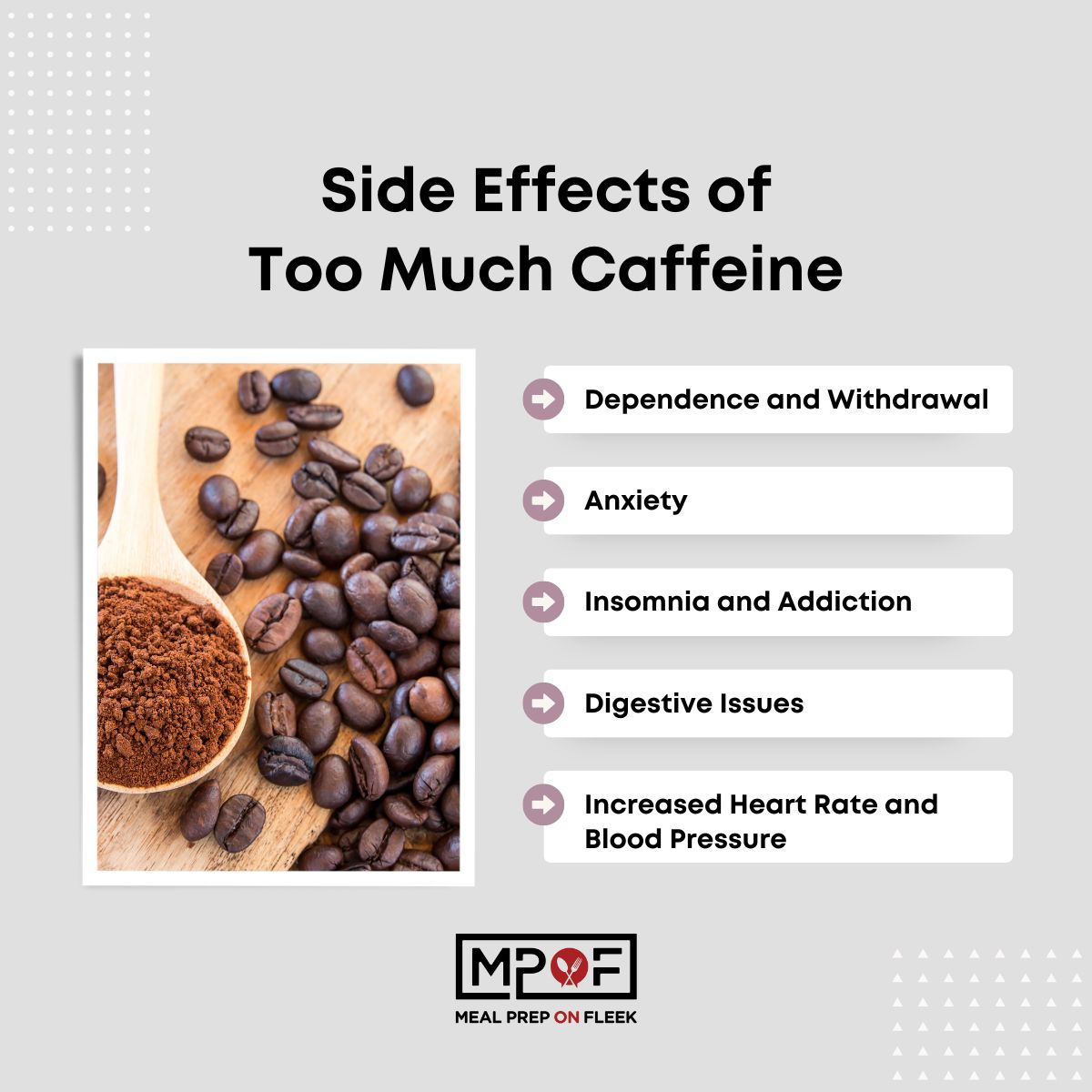
While caffeine is often the star of the show, coffee itself is a surprisingly complex beverage, offering a range of micronutrients and beneficial compounds that extend beyond its stimulant properties. A single cup of brewed coffee can provide a modest but notable contribution of essential vitamins, minerals, and potent antioxidants that support overall health.
Key nutrients found in coffee include riboflavin (Vitamin B2), pantothenic acid (Vitamin B5), potassium, manganese, niacin (Vitamin B3), and thiamine (Vitamin B1). These micronutrients play vital roles in numerous bodily functions, including energy production, metabolism, nerve signaling, and maintaining general physiological balance.
Perhaps more significantly, coffee is an exceptional source of antioxidants. These compounds are crucial for combating oxidative stress, a cellular process implicated in aging and the development of various chronic diseases. In fact, for many individuals, coffee represents one of the largest sources of dietary antioxidants. The specific types and amounts of antioxidants can vary depending on the coffee bean origin, roast level, and brewing method.
It is imperative to acknowledge that the health implications of coffee consumption are intricately linked to how it is prepared and consumed. A plain, black cup of coffee offers a very different nutritional and caloric profile compared to elaborately prepared beverages laden with sugar, syrups, whipped cream, and artificial flavorings. The latter can negate potential health benefits and contribute to adverse health outcomes due to high sugar and calorie content.
Navigating Caffeine Consumption: A Matter of Moderation and Individual Sensitivity
While the potential benefits of caffeine are becoming increasingly evident, it is crucial to reiterate that the principle of moderation is paramount. Individual responses to caffeine vary significantly due to genetic factors, metabolic rates, and personal tolerance levels. Some individuals can consume multiple cups of coffee daily without experiencing adverse effects, while others may find even a single serving triggers anxiety or sleep disturbances.
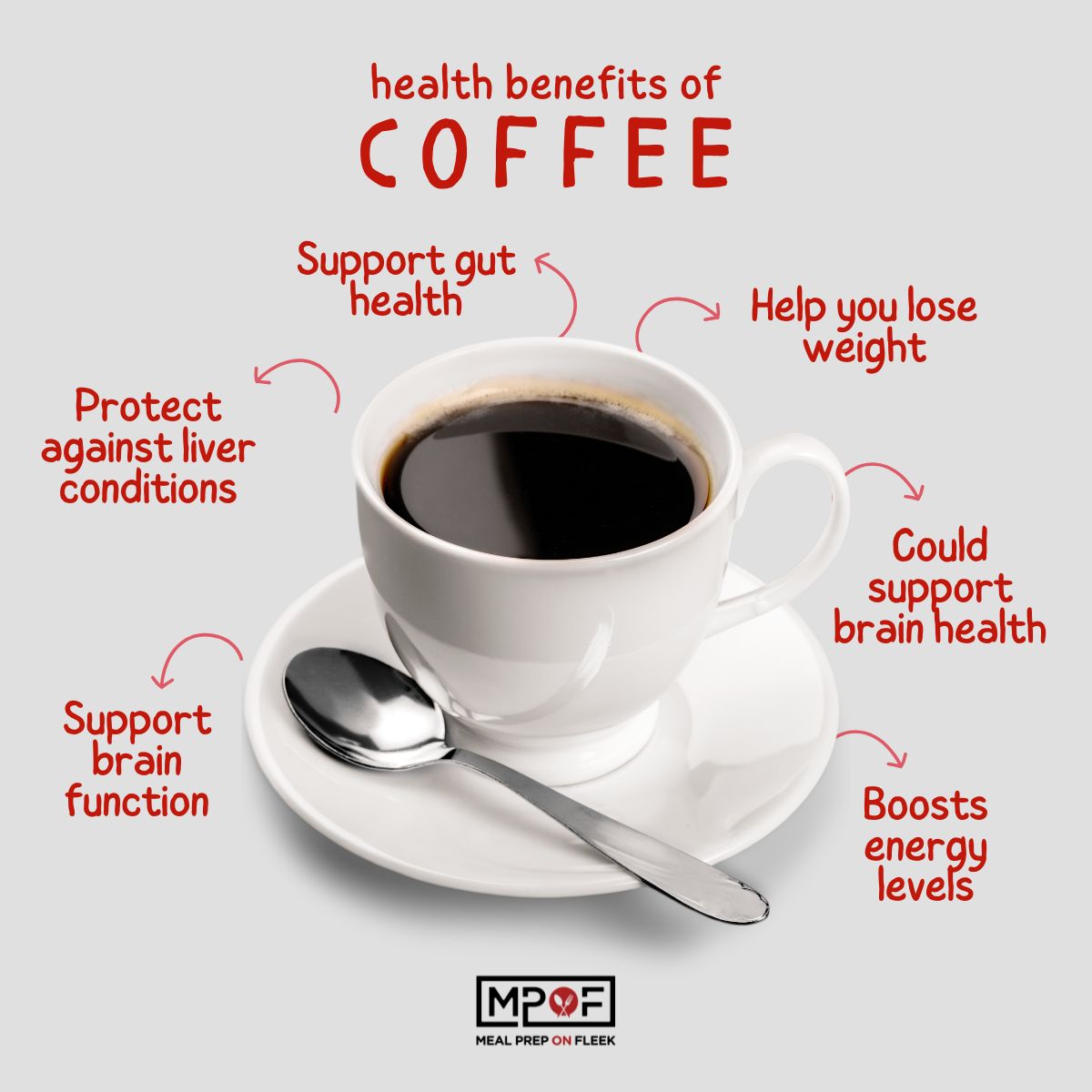
Excessive caffeine intake can manifest in a range of undesirable side effects, including:
- Insomnia and Sleep Disturbances: Caffeine’s stimulant properties can interfere with the body’s natural sleep-wake cycle, making it difficult to fall asleep or stay asleep.
- Anxiety and Nervousness: For sensitive individuals, caffeine can exacerbate feelings of anxiety, restlessness, and unease.
- Digestive Issues: Caffeine can stimulate the gastrointestinal tract, potentially leading to upset stomach, heartburn, or increased bowel activity.
- Rapid Heartbeat and Palpitations: Its stimulatory effect on the cardiovascular system can cause a noticeable increase in heart rate and, in some cases, irregular heartbeats.
- Headaches: While caffeine can alleviate certain types of headaches, withdrawal from regular caffeine consumption can trigger rebound headaches.
- Dizziness: In some cases, excessive caffeine intake can lead to feelings of lightheadedness or dizziness.
For the majority of healthy adults, a moderate daily caffeine intake is generally considered safe and potentially beneficial. Recommendations from health authorities often suggest a daily limit of around 200 to 300 milligrams of caffeine, which typically translates to two to three standard cups of coffee. However, this is a general guideline, and individuals should pay close attention to their own body’s signals and adjust their intake accordingly. Pregnant women and individuals with certain pre-existing health conditions may be advised to limit or avoid caffeine altogether.
Conclusion: A Complex Compound with Remarkable Potential
Caffeine, often perceived solely as an energizing agent, reveals itself to be a far more complex and intriguing compound upon closer examination. Beyond its well-known capacity to enhance alertness and combat fatigue, emerging scientific research points to its potential role in supporting skin health by reducing the risk of certain skin cancers, debunking the persistent myth of stunted growth, and offering neuroprotective benefits that may contribute to healthier brain aging. Moreover, the beverage that most commonly delivers caffeine, coffee, is itself a source of valuable nutrients and powerful antioxidants.
The key to harnessing the benefits of caffeine and coffee lies in mindful consumption and an understanding of individual tolerance. When approached responsibly, caffeine can be a valuable and enjoyable component of a balanced and healthy lifestyle for many adults, contributing to both immediate well-being and potentially long-term health advantages.
Article Courtesy Of Freid Coffee